Why skipping meals before a big holiday dinner can backfire, according to nutrition experts
The Hidden Risks of Skipping Meals Before a Big Celebration
We’ve all been there: you have a big holiday party or dinner planned, and the temptation to “save calories” by skipping meals earlier in the day is hard to resist. Maybe it’s your favorite dessert your neighbor brings every year, or a long-awaited meal at a beloved restaurant. But according to Amy Kimberlain, M.S., RDN, CDCES, a diabetes educator, this common habit can actually backfire—especially if you’re living with diabetes.
“When you skip meals, you destabilize your blood sugar, which can leave you feeling shaky, irritable, and more likely to overeat later,” she explains.
What Really Happens to Your Blood Sugar When You Skip Meals
Your body needs fuel—glucose—to power your brain, muscles, and organs, Kimberlain says. That glucose typically comes from carbohydrates, but when you don’t eat, your liver releases stored glucose to keep your energy levels stable. “If you go too long without food, those stores can run low, making it harder to maintain normal blood sugar levels,” she explains.
The result: you might feel lightheaded, anxious, or cranky—all before the big event even begins.
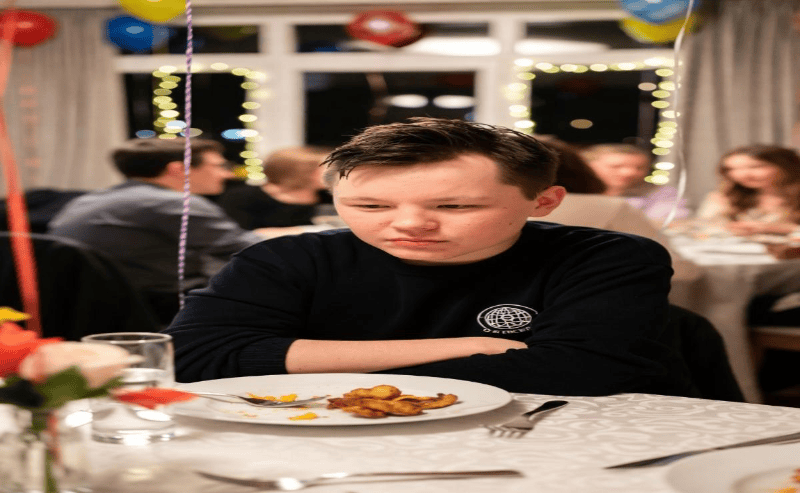
Ironically, skipping meals can also raise your blood sugar later on. “It’s harder to feel satisfied when you’re not eating regularly,” notes Grace Derocha, M.B.A., RD, CDCES, spokesperson for the Academy of Nutrition and Dietetics. So when you finally sit down to dinner feeling ravenous, you’re more likely to overeat, causing a blood sugar spike and crash cycle that leaves you drained.
That’s not all. Extended fasting can also disrupt your hunger hormones. Studies show that skipping breakfast can lower levels of leptin, the hormone that signals fullness, Derocha says. Low leptin makes you hungrier and more likely to crave high-calorie, quick-energy foods.
Add in a festive table full of carbs and sweets, and it’s easy to see how one skipped meal can spiral into overindulgence.
The Impact of Stress Hormones
When you go too long without eating, your stress hormones rise too. “Going for many hours without food increases cortisol, which can trigger your liver to release stored glucose,” Kimberlain explains. This causes your blood sugar to rise even before you eat. Then, when you finally do eat, the combination of high cortisol and low insulin sensitivity can cause your blood sugar to surge even higher.
That stress-driven hunger also messes with your decision-making. “When you’re starving, you’re not thinking about balance or portion sizes,” says Kimberlain. “You’re reaching for whatever’s easiest—chips, bread, dips—foods that spike blood sugar fast.” Even if you don’t have diabetes, those extreme ups and downs can leave you sluggish and moody, robbing you of energy to enjoy the evening.

For People Managing Diabetes, the Stakes Are Higher
For people managing diabetes, the stakes are higher. Skipping meals while taking insulin or other blood sugar–lowering medications can lead to hypoglycemia, or dangerously low blood sugar. Symptoms include shakiness, confusion, nausea, or headaches. “If that happens, you’ll need to consume about 15 grams of fast-acting carbohydrates,” Kimberlain advises—like half a cup of juice, a few glucose tablets, or a handful of jelly beans.
How to Prepare for a Big Meal Without Skipping Food
Contrary to popular belief, the goal isn’t to eat less before a special dinner—it’s to eat smarter. “Staying nourished and balanced throughout the day supports better choices, less overeating, and more stable blood sugars when the celebration begins,” says Kimberlain. Have balanced meals with protein, healthy fats, and fiber to steady your energy, and consider a small snack—like an apple with peanut butter or a handful of nuts—before heading out.
Skipping meals might seem like a clever way to “save room,” but it can backfire in ways that affect your mood, blood sugar, and even digestion.
For a healthier holiday approach, keep your meals consistent, stay hydrated, and enjoy the special treats in moderation. Your body—and your energy—will thank you.
Posting Komentar