Why Cold Weather Disrupts Sleep and How to Rest Better
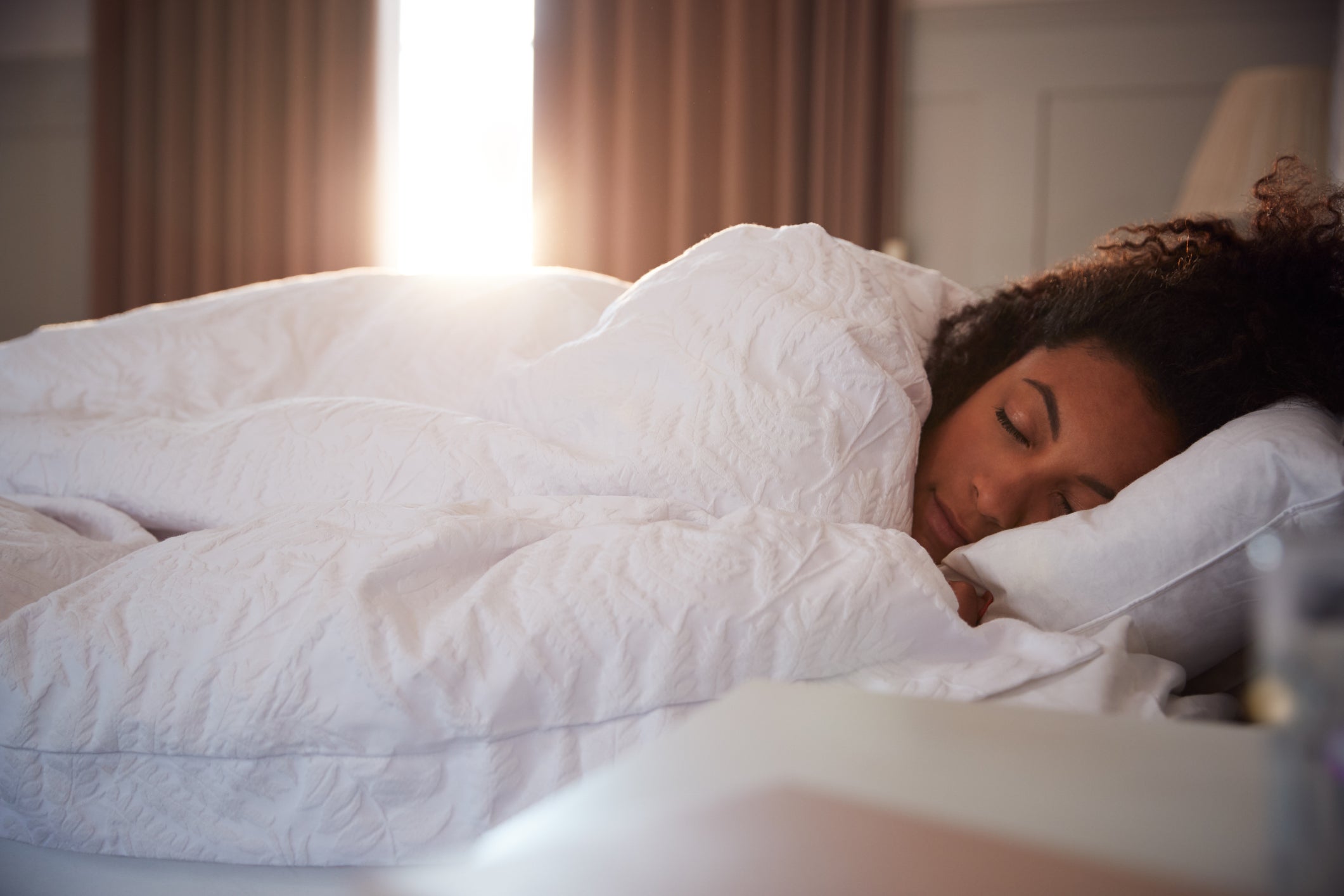
Winter brings with it a shift in the environment that can significantly impact our daily lives. As the days grow shorter and the temperature drops, many people find their energy levels declining. However, the effects of winter on sleep patterns are often more pronounced and disruptive than one might expect.
Dr. David Garley, a GP and director of The Better Sleep Clinic, explains how both the colder weather and changes in daytime activity can influence sleep during this time. He highlights the physiological process that is crucial for sleep: "When you move from the wake phase to the sleep phase of your circadian rhythm, that’s marked with a drop in your core body temperature of about 0.5C to 1.5C." This means that if someone is too hot, they may struggle to transition into sleep, which is why many people have difficulty sleeping in the summer.
However, an overly cold room can also be problematic. Dr. Garley advises, "You want your bedroom to be cool," but emphasizes that the exact temperature will vary for each individual. "You don’t want your room to be icy cold, but on the cooler side is definitely helpful."
Can the cold affect your ability to get to sleep? According to Dr. Garley, if the temperature is extremely low, the body focuses on maintaining its warmth rather than falling asleep. "For example, if you’re shivering in bed then you’re unlikely to fall asleep. In that situation, you do need to find ways to warm up your environment a bit."
What about the quality of sleep? Dr. Garley notes that people often focus only on the number of hours they've slept, but it's equally important to consider whether they reach the deep stages of sleep. "If you get what we call these ‘arousals’ from sleep [such as extreme or sudden coldness], they won’t always necessarily wake you up entirely, but they can pull you into the lighter stages of sleep which are less refreshing." This can lead to shallower sleep or waking up feeling unrested.
This phenomenon is common among campers, who often find themselves waking up around 3am due to a significant temperature drop. "Campers often find that around 3am in the morning, when there’s that real temperature drop, that they wake up and feel absolutely frozen solid," says Dr. Garley.
Winter-related illnesses can also disrupt sleep. If someone has inflamed airways, a runny nose, cough, or sore throat, they may find it harder to fall asleep. These symptoms can also increase the likelihood of snoring. "A lot of people find that they only snore if they have got a cold or if they’ve got hay fever," explains Dr. Garley. "If your airway is a bit more swollen and a bit more narrow, you are more likely to snore more."
Additionally, a common cold could worsen symptoms of sleep disorders like obstructive sleep apnoea. "Sleep apnoea is a sleep disorder associated with snoring, where your upper airway repeatedly closes as you sleep and you get these pauses in your breathing which leads to really fragmented sleep." Dr. Garley adds that if someone is on the cusp of developing obstructive sleep apnoea, a cold could trigger clinically significant episodes of disrupted sleep.
Seasonal Affective Disorder (SAD) can also affect sleep. Mental health and sleep are closely linked. "Anxiety can make it quite difficult to fall asleep and depression can cause early morning awakening, but research also shows that this actually works the other way around, too," says Dr. Garley. "Research suggests that poor sleep can cause anxiety and depression, which means there’s a system which can feed into itself. Therefore, if you’re getting depressed as a result of seasonal factors, then that low mood can certainly impact your sleep."
Cold weather can also impact sleep by altering routines. The shorter, darker days often mean that people socialize less, stop exercising, and aren't exposed to sunlight. These factors are essential for maintaining good quality sleep, according to Dr. Garley.
Top Tips for Improving Your Sleep This Winter
-
Keep to a routine: Despite the colder and darker weather, try to maintain a regular schedule. "Don’t let the seasons push you around. You want to feel that you’re in the driving seat of your own life."
-
Stay active: Exercise helps build a stronger drive for sleep at night. "If the cold, dark weather is stopping you, then try to find an indoor activity to keep that momentum going."
-
Layer up in the night: Using multiple thinner layers can help manage temperature better than a single heavy duvet. "If you put an enormous duvet on at night, then you might wake up all sweaty in the middle of the night."
-
Keep your room at a cool temperature: Find a temperature that works for you. "You want your bedroom to be cool, but not cold."
-
Go for a walk: Spending time in daylight during the day helps maintain a consistent circadian rhythm. "Go outside into the daylight on your lunch break."
-
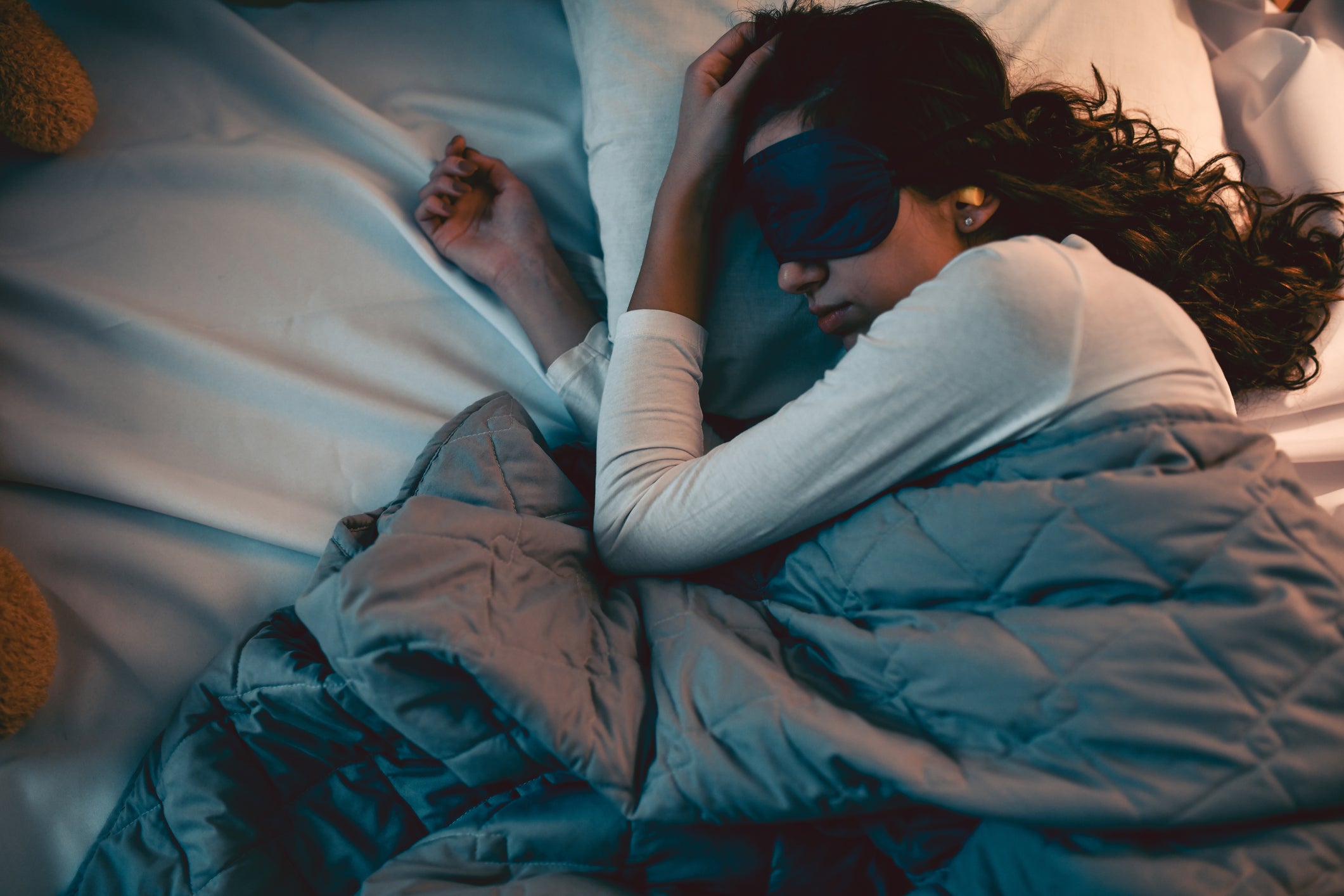
Don’t force it: If you're struggling to sleep, get up and do a relaxing activity until you feel sleepy again. "If you can’t sleep, try not to force it. If you lie in bed and get annoyed, then that independently is going to stop you from sleeping."

Posting Komentar