Wellbeing 2026: Recovery, JOMO, and Brain-Boosting Supplements

Wellbeing has become a highly sought-after pursuit, often at a significant cost. From consuming magnesium and creatine to using AI chatbots for personalized training and meal plans, the focus on health and wellness continues to evolve. In 2025, over a million people have turned to private weight loss drugs, transforming their relationship with food and exercise. As we look ahead to 2026, what will be the key areas of focus in the wellbeing industry?
Recovery
If 2025 was all about pushing limits in the gym, tracking runs down to the second, and lifting heavier weights, then 2026 is all about recovery. Jak Phillips, a growth director from global fitness brand Les Mills, emphasizes that the "no pain, no gain" mentality is becoming outdated.
"Technology has made us so much smarter now," he says. "It's no longer about training ourselves into the ground."
Smartwatches have revolutionized our understanding of fitness by tracking movement and heart rate, helping us determine when to rest, when we've trained too hard, and when our fitness levels are peaking. This data allows us to give ourselves necessary breaks, reframing rest days as an essential part of staying fit rather than taking time off.
Phillips predicts that the concept of JOMO (Joy of Missing Out) will become more prevalent in 2026, countering the Fear of Missing Out (FOMO). FOMO, recognized by the Oxford Dictionary in 2004, has led many to compare their lives to others on social media, creating pressure to keep up. Now, a counter-movement is growing, encouraging people to focus on themselves and not feel guilty or ashamed for prioritizing their own well-being.
Brain Boosting
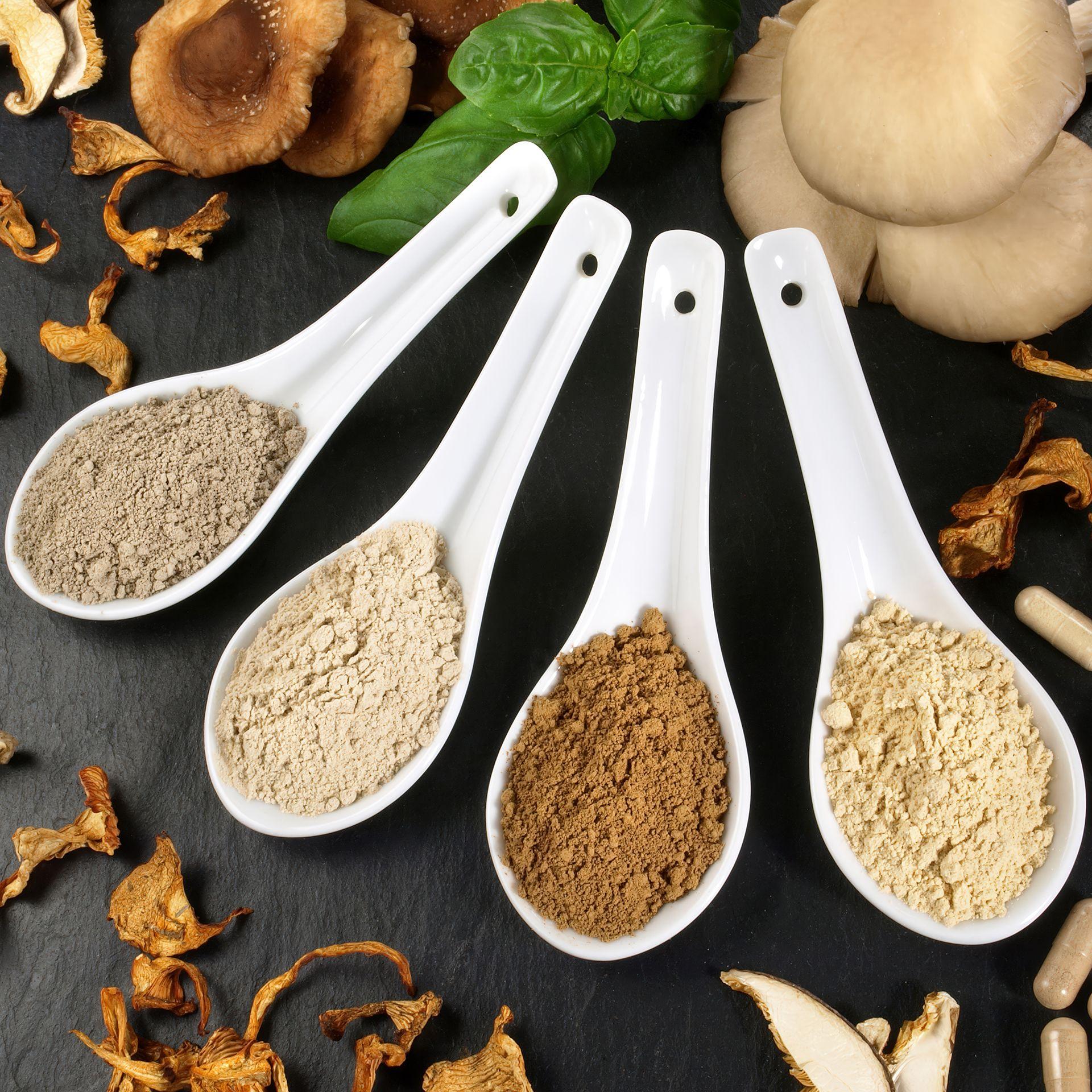
Rachel Chatterton, a product director at Holland Barrett, highlights that the key word this year is "boosting." Customers are interested in anything that enhances brain power, particularly nootropics, also known as "smart drugs." These supplements, which purportedly enhance cognition, have gained popularity in recent years, especially among Gen Z.
While nootropics like lion's mane, ashwagandha, and L-theanine may command an $11bn market by 2030, there is limited evidence supporting their effectiveness for the general population. Dr. Alex Maxwell, a Lifestyle GP, believes that increasing sleep, managing cardiovascular and metabolic health through exercise, and other proven methods offer better results.
However, millions are turning to brain training apps to improve processing speed, memory, and mental resilience. Despite skepticism, some believe these apps can help protect the brain's 86 billion neurons.
Nervous Systems
As we navigate the stresses of 2026, understanding the role of the nervous system becomes crucial. TV doctor and GP Zoe Williams suggests focusing on the vagus nerve, the body's super highway, which plays a vital role in stress management.
Williams recommends techniques such as the "physiological sigh" (two sharp intakes of breath followed by one long exhale), cold water therapy, and even investing in a vagus nerve stimulator. These methods can activate the parasympathetic nervous system, helping individuals calm down quickly in stressful situations.
Back to Basics
Dr. Maxwell emphasizes the importance of simplicity in wellbeing. He advocates for eating well, sleeping, and moving—three fundamental aspects of health. He warns against overcomplicating life with excessive monitoring, such as using wearable AI devices that log every detail of the day. While these technologies can be useful, they should serve as tools, not masters.
More Weekend Picks
- Stop telling me to lower my cortisol - it's making me stressed!
- Magnesium: Can this 'miracle mineral' really help us sleep?
- Creatine - can this muscle-boosting supplement help sharpen my brain?
- Sleep, exercise, hydrate - do we really need to stick to recommended daily doses?


Posting Komentar