Venezuelan Migrants Deported in Trump's Crackdown Fight to Feed Families on Christmas
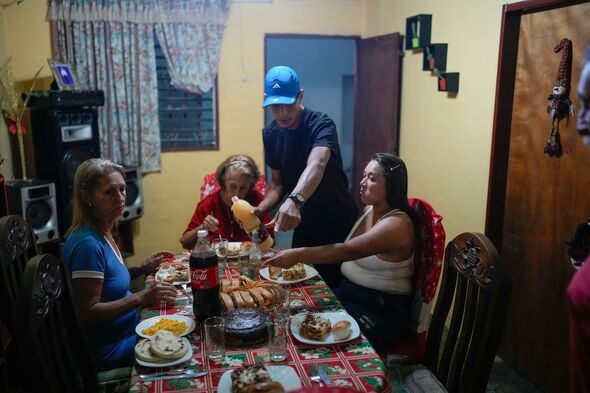
Venezuelans who were deported by the U.S. government this year are now facing significant challenges in providing for their families back in their home country. One family, in particular, endured a grueling 1,000-mile journey through Central America after being sent back to Venezuela.
Mariela Gómez celebrated her first Christmas in Venezuela in eight years, dressed up, cooked, and even bought her son a scooter as she smiled endlessly at her in-laws. However, beneath the surface of this seemingly normal celebration, the harsh realities of unemployment and poverty made this holiday one that Gómez and thousands of other Venezuelans forced to return to their homeland could never have imagined.
Gómez shared with The Associated Press that they had a modest dinner, not quite what they hoped for, but at least they had food on the table. She had planned to make traditional stuffed corn dough hallacas, but the cost of ingredients in Venezuela is high, and with her and her family unemployed, she couldn't afford to make them this year.
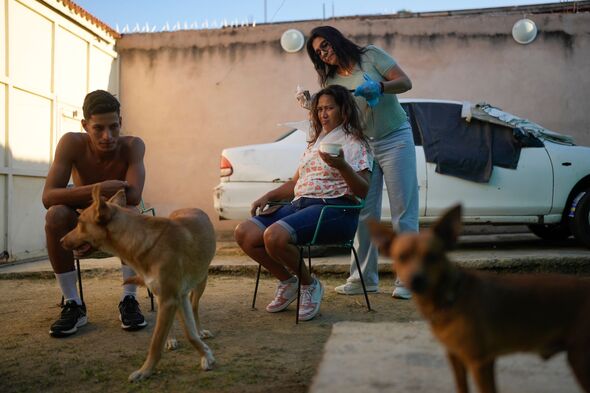
Gómez, her two sons, and her partner returned to Maracay, a small city in northern Venezuela between Valencia and the capital, Caracas, on October 27 after crossing the U.S.-Mexico border into Texas. They were quickly apprehended by U.S. Border Patrol agents during the Trump administration's immigration crackdown and then deported to Mexico. From there, they embarked on a dangerous and harrowing journey through Central America back to Venezuela.
They traveled most of the continent by bus, but once they reached Panama, the family couldn't afford to continue to Colombia via boat in the Caribbean. Instead, they took the cheaper route, traveling by cargo boat along the Pacific's choppy waters. They sat atop sloshing gasoline tanks for several hours before transferring to a faster boat, which took them to a jungled area of Colombia.
They spent about two weeks there until they received money that allowed them to reach the border with Venezuela.
Millions of Venezuelans have left their country in the past decade due to an economic crisis fueled by corruption.
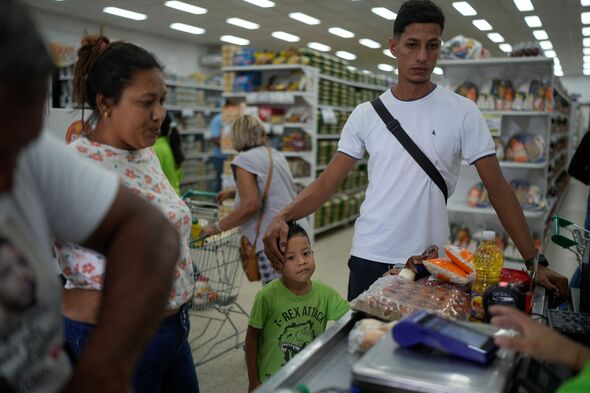
Oil prices have dropped significantly, and corruption and mismanagement have worsened the situation. Gómez lived in Colombia and Peru for years before setting her sights on the U.S., hoping to build a better life there. However, Trump's second term dashed any hopes she had of achieving her American dream.
The Trump administration has pushed out over 14,000 migrants, most from Venezuela, since the start of his second term. As of the latest figures from Colombia, Panama, and Costa Rica, over 14,000 migrants, mostly from Venezuela, have returned to South America amid the administration's immigration crackdown.
Venezuelans have also been steadily deported back to their home country after Venezuelan President Nicolás Maduro bowed to pressure from the White House and ended his longstanding policy of not accepting deportees from the U.S.
Immigrants have arrived regularly at the airport just outside Caracas on flights operated by a U.S. government contractor or Venezuela's own state-owned airline. Over 13,000 immigrants have returned this year on chartered flights.
Gómez was reunited with her 20-year-old daughter, whom she left behind when she fled the country, upon her return in late October. The two talked and drank beer during the Christmas holiday—but it will likely be the last time they do so for a while, as Gómez's daughter will soon migrate to Brazil.
Before she leaves, Gómez is hoping to make hallacas for New Year's Eve that they can all enjoy together. But to do that, she'll need more money, so she's also hoping for a job. However, her primary prayers for the coming year are for good health. She said she asks God for a lot, but life and health are "first and foremost." Those, she said, allow people like her to continue enjoying their families.
Posting Komentar