U.S. Strikes Venezuela Following Trump's Maduro Threats
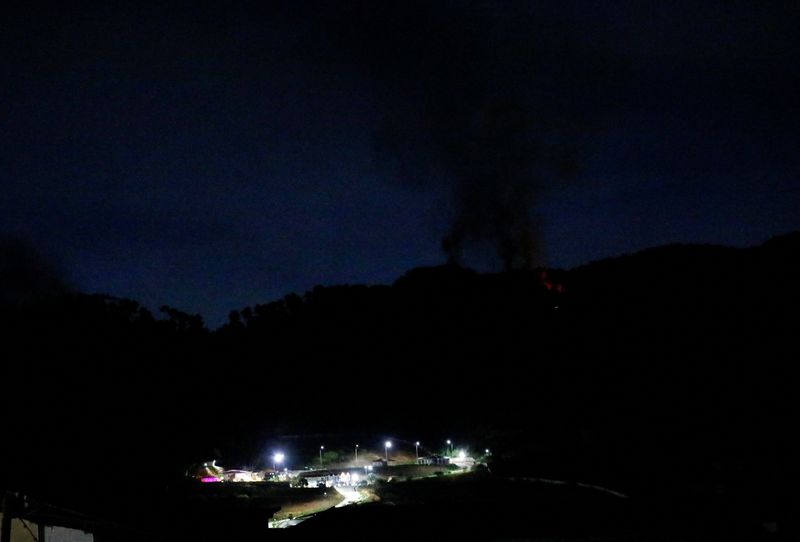
U.S. Strikes Inside Venezuela Trigger Shock and Fear
A series of explosions rocked the capital of Venezuela, Caracas, following months of threats from former U.S. President Donald Trump against Venezuelan President Nicolas Maduro. A U.S. official confirmed that the United States carried out strikes inside the country, marking a significant escalation in tensions between the two nations.
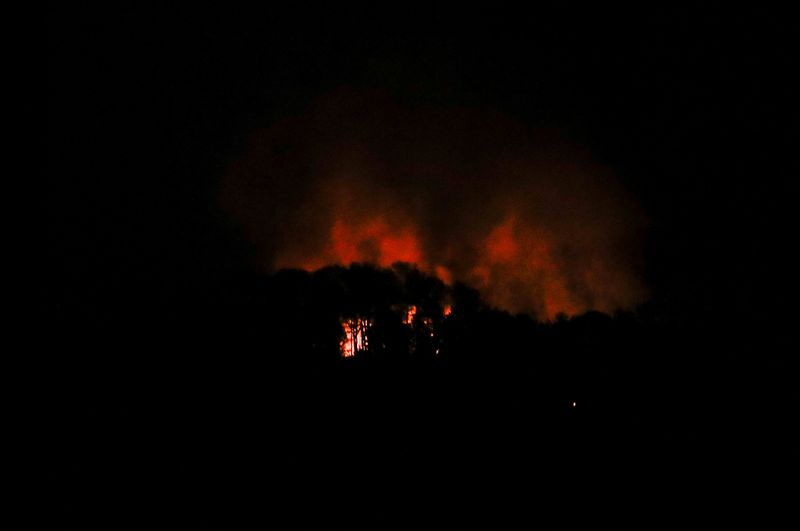
The Venezuelan government reported attacks not only in the capital but also in the states of Miranda, Aragua, and La Guaira. In response, Maduro declared a national emergency and mobilized defense forces to address the situation. Witnesses described the events as chaotic, with blasts, aircraft, and black smoke visible across Caracas starting around 2 a.m. (0600 GMT) and lasting for approximately 90 minutes.
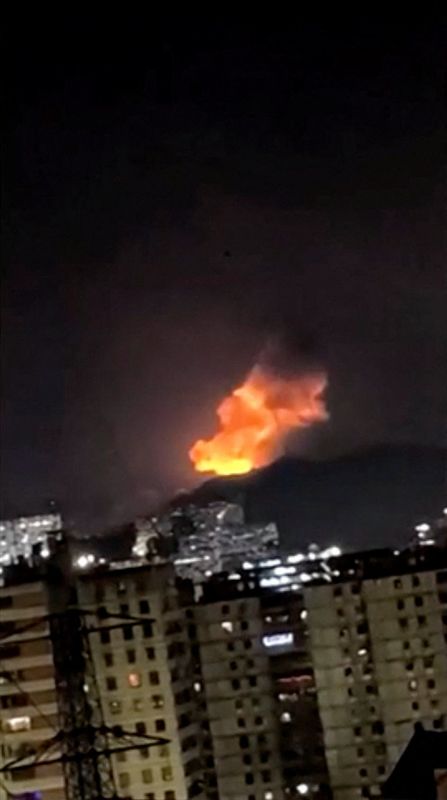
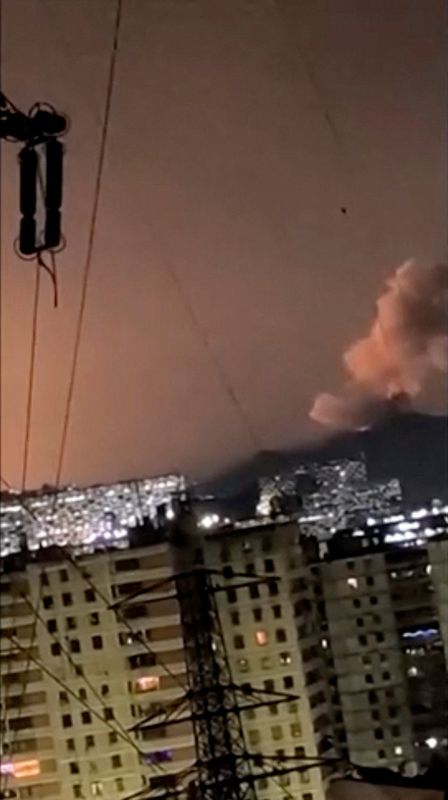
Venezuelans expressed shock and fear as they captured video footage of the dramatic scenes. One woman in a video could be heard gasping at the blasts in the distance, saying, “My love, oh no, look at that.” The images circulating on social media showed billowing smoke and bright orange flashes in the sky, highlighting the intensity of the attacks.
Attack Follows U.S. Military Buildup
The attack occurred amid a growing U.S. military presence in the region. A power outage affected the southern part of Caracas, near a major military base, according to witnesses. This area is strategically important, given its proximity to key installations.
Trump has repeatedly threatened land operations in Venezuela, which has been under Maduro's leadership since 2013. The U.S., along with Venezuela's opposition and various other nations, claims that Maduro rigged an election last year to remain in power. Although Trump has not publicly outlined his specific goals, reports indicate he has privately pressured Maduro to leave the country. On Monday, Trump suggested it would be "smart" for Maduro to step down.
The Pentagon referred questions about the strikes to the White House, which declined to comment. Meanwhile, the Venezuelan government accused the U.S. of targeting its oil and mineral resources, stating that Washington would not succeed in taking control of these assets.
The U.S. has significantly increased its military presence in the region, including an aircraft carrier, warships, and advanced fighter jets stationed in the Caribbean. Trump has pursued a "blockade" of Venezuelan oil, expanded sanctions against the Maduro government, and conducted more than two dozen strikes on vessels the U.S. alleges were involved in drug trafficking in the Pacific Ocean and Caribbean Sea.
Last week, Trump claimed the U.S. had struck an area in Venezuela where boats were loaded with drugs, marking the first known instance of land operations by the U.S. in the country since the pressure campaign began. He did not specify whether the CIA was involved, although other media outlets have reported that the agency may have been behind the strikes.
Trump has accused Venezuela of flooding the U.S. with drugs, and his administration has been bombing boats originating in South America that it claims are carrying narcotics. Many countries have condemned these attacks as extrajudicial killings, while Maduro's government has consistently denied any involvement in drug trafficking.
Posting Komentar