US Strikes Venezuela, Captures President and Wife, Trump Claims
U.S. Military Operation in Venezuela: A Major Shift in Regional Dynamics
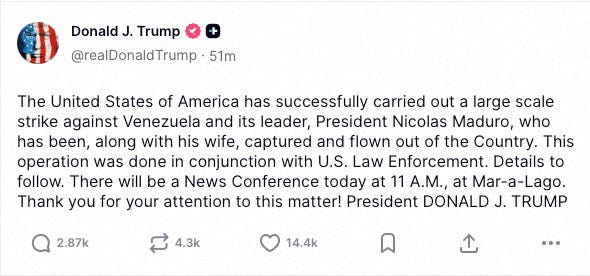
The United States carried out a significant military operation in Venezuela on January 3, reportedly seizing President Nicolás Maduro and his wife, Cilia Flores. This event was announced by former President Donald Trump via his social media platform, Truth Social, where he claimed the operation was conducted in collaboration with U.S. law enforcement. The incident marked a dramatic escalation in tensions between the U.S. and Venezuela, as the U.S. launched airstrikes across Caracas and other regions of the country.
Explosions and Chaos in Caracas
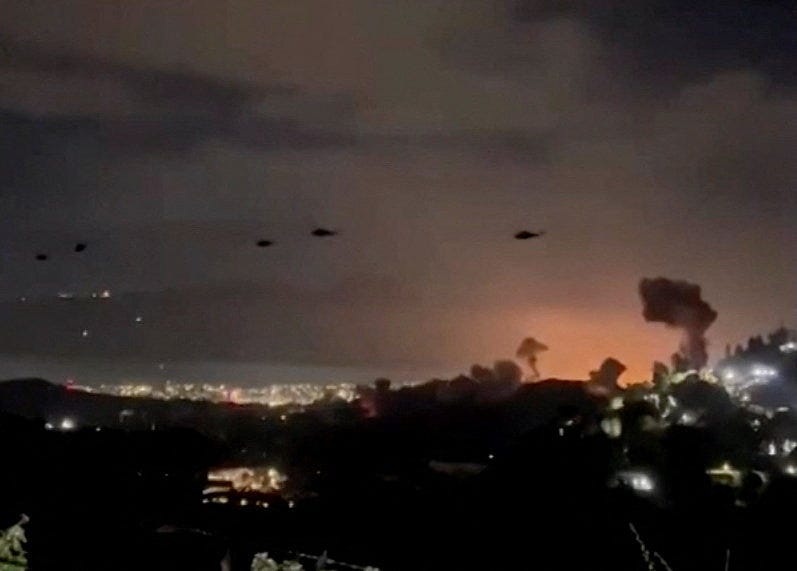
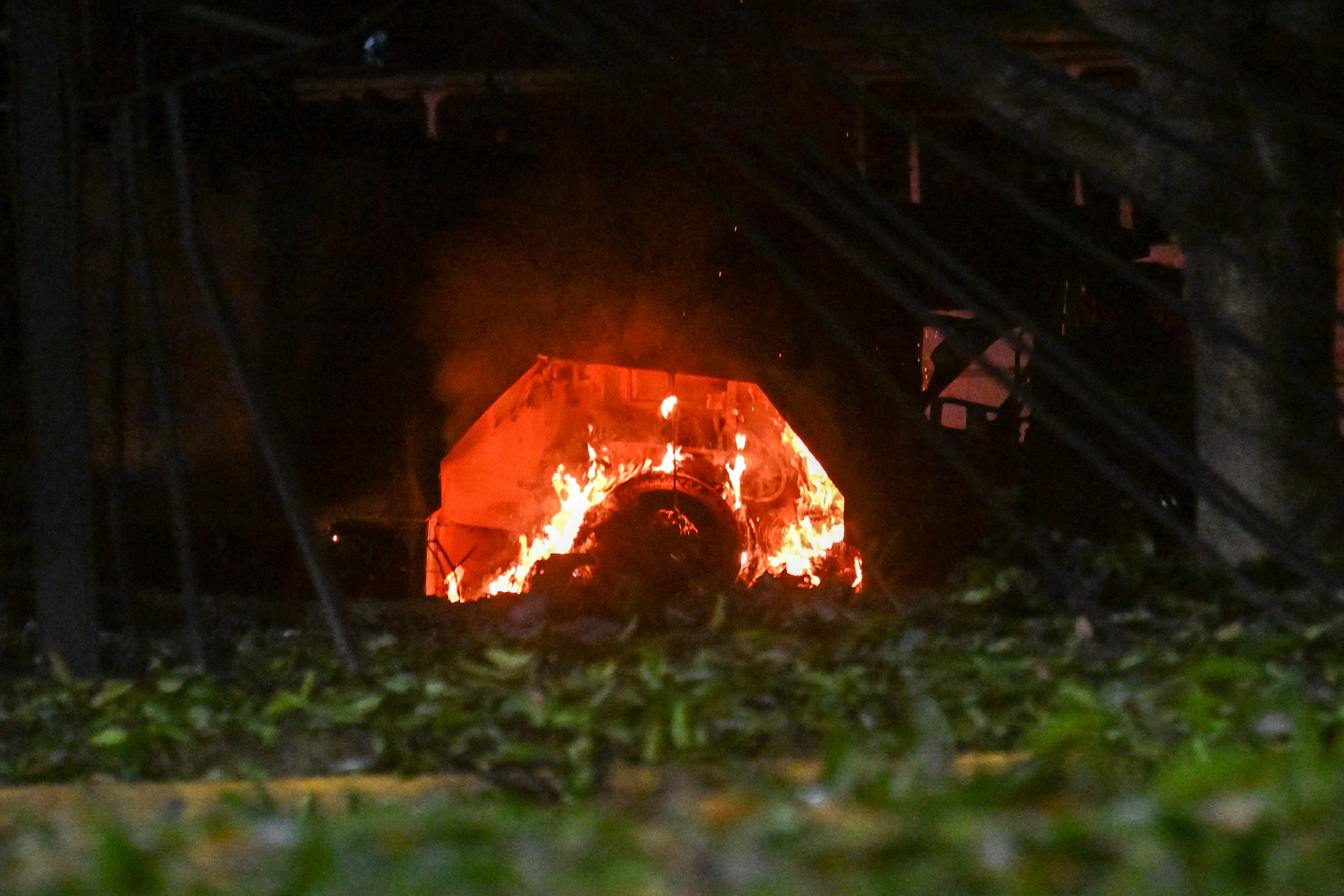
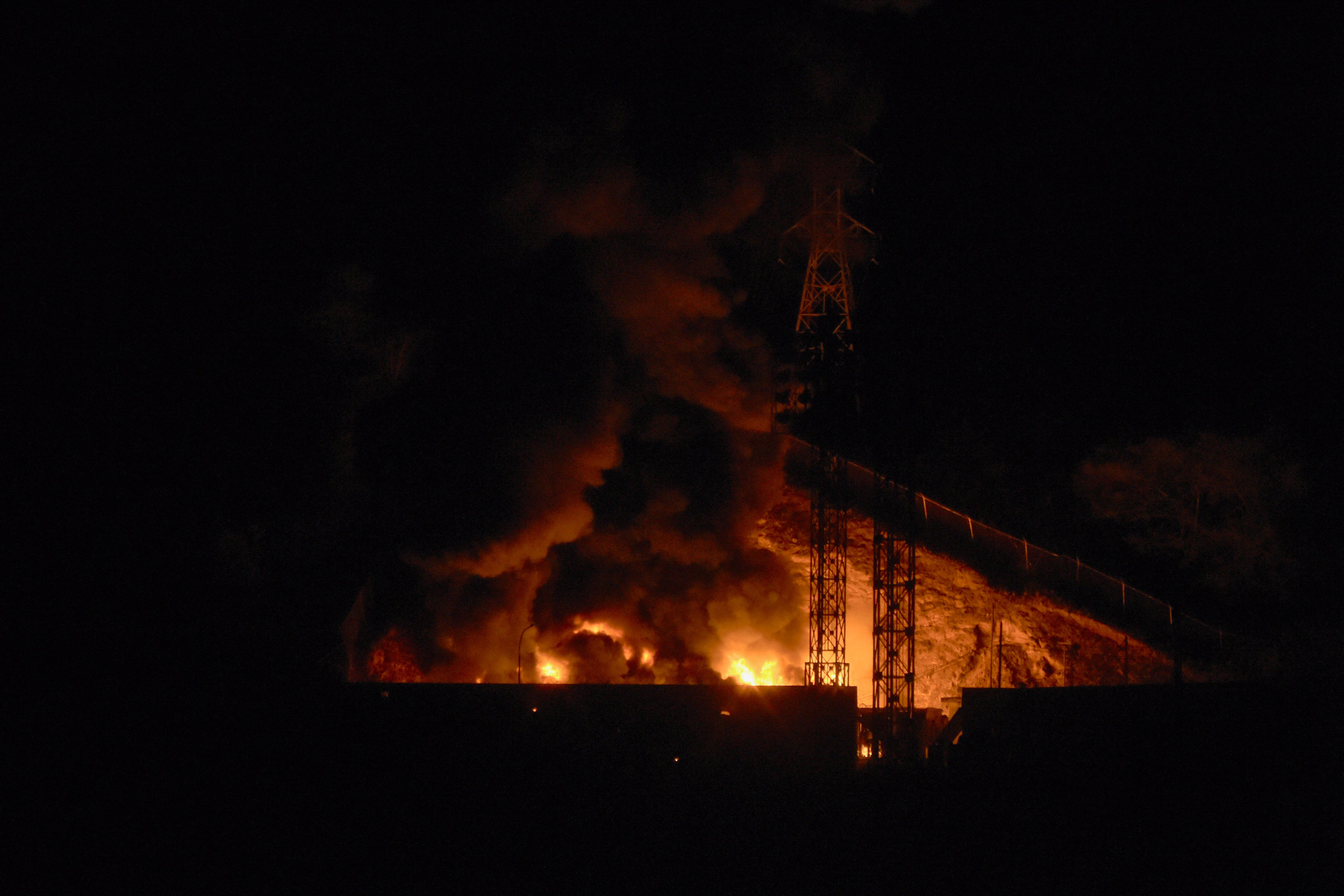
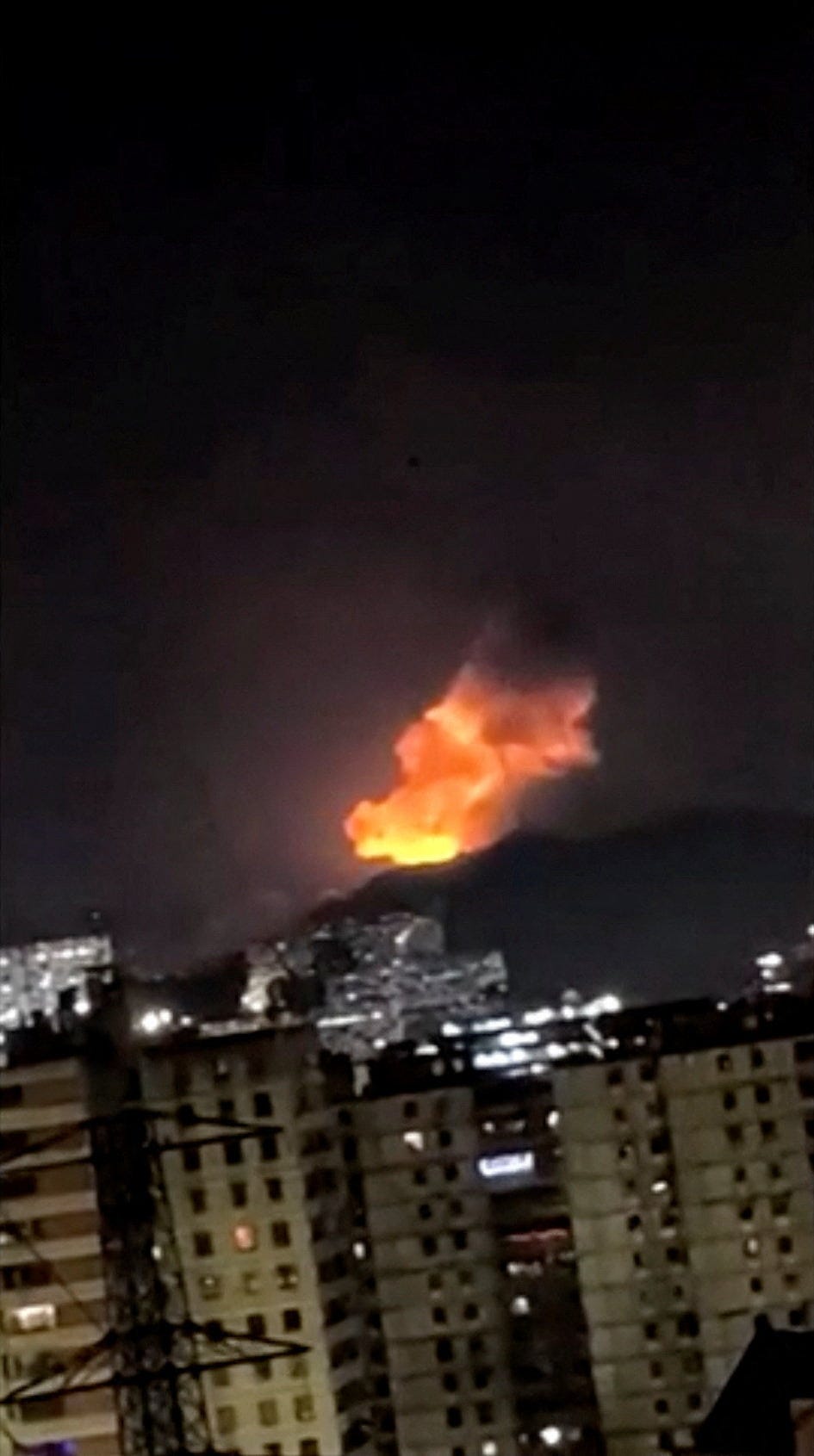
Witnesses reported explosions, burning vehicles, and plumes of smoke rising over the capital city of Caracas. The sounds of low-flying jets were also heard, indicating the scale of the military action. Images from the scene depicted the aftermath of the attacks, showing widespread destruction and chaos. These events followed a series of U.S. military actions in the Caribbean, including strikes on alleged drug trafficking vessels and the seizure of Venezuelan oil tankers.
Denunciation from Venezuela
Venezuela's government declared a state of emergency and condemned what it described as "extremely serious military aggression" by the U.S. government. Vice President Delcy Rodríguez demanded immediate proof of life for President Maduro and his wife, emphasizing the need for confirmation that they are still alive. The term "proof of life" is typically associated with kidnappings, where captors provide evidence that the victim is still alive.
Delta Force Involvement
According to reports, members of the Army's secretive Delta Force led the raid to capture Maduro and his wife. Delta Force, known for its counterterrorism and high-stakes operations, has previously been involved in significant missions such as the 2019 raid that resulted in the death of ISIS leader Abu Bakr al-Baghdadi. Videos circulating on social media showed several helicopters flying over Caracas and firing at targets, highlighting the intensity of the operation.
Opposition Claims of Multiple Targets Hit
David Smolansky, a spokesperson for Maria Corina Machado, the leader of the Venezuelan opposition, stated that U.S. strikes targeted several critical infrastructure and military facilities. These included Fuerte Tiuna, the main military base in Caracas, La Carlota, a military airbase, and a site for signal antennae and communications infrastructure on a peak overlooking Caracas called El Volcán, as well as a port on the Caribbean coast called La Guaira.
Historical Context of U.S.-Venezuela Relations
President Trump has long sought to remove Maduro from power, supporting Juan Guaido, an opposition politician who attempted to unseat Maduro in a failed coup in 2019. Maduro and some high-level Venezuelan officials were indicted in a U.S. court on drug trafficking and corruption charges the following year. Maduro, who rose through the ranks of Hugo Chávez's socialist party, has been accused of rigging elections to remain in power.
U.S. Embassy Advises Citizens to Leave Venezuela
The U.S. State Department issued a warning to American citizens in Venezuela, advising them to shelter in place and depart immediately when it is safe to do so. The U.S. Embassy in Caracas had closed in 2019, and the current guidance reiterates earlier travel advisories. The Federal Aviation Administration also issued a notice banning commercial aircraft from operating in Venezuelan airspace around 1 a.m. ET on January 3.
Criticism from U.S. Lawmakers
Lawmakers from both parties have criticized the Trump administration's military actions, arguing that they lack proper intelligence briefings and may violate international human rights law. Some have called the strikes a "stupid adventure," emphasizing the lack of vital national interests in Venezuela to justify such actions. The administration has defended the boat strikes as an effort to stop illegal narcotics, particularly fentanyl, from entering the U.S.
Escalation of U.S. Military Presence
The overnight attacks followed a large-scale U.S. military buildup in the Caribbean, including multiple guided missile destroyers, a missile cruiser, and a Marine Corps amphibious ready group. The USS Gerald R. Ford, the world's largest aircraft carrier, was also moved into the region. These actions indicate a significant shift in U.S. strategy towards Venezuela and the broader region.
Posting Komentar