US Army Launches AI Officer Career Path for Machine Learning Integration
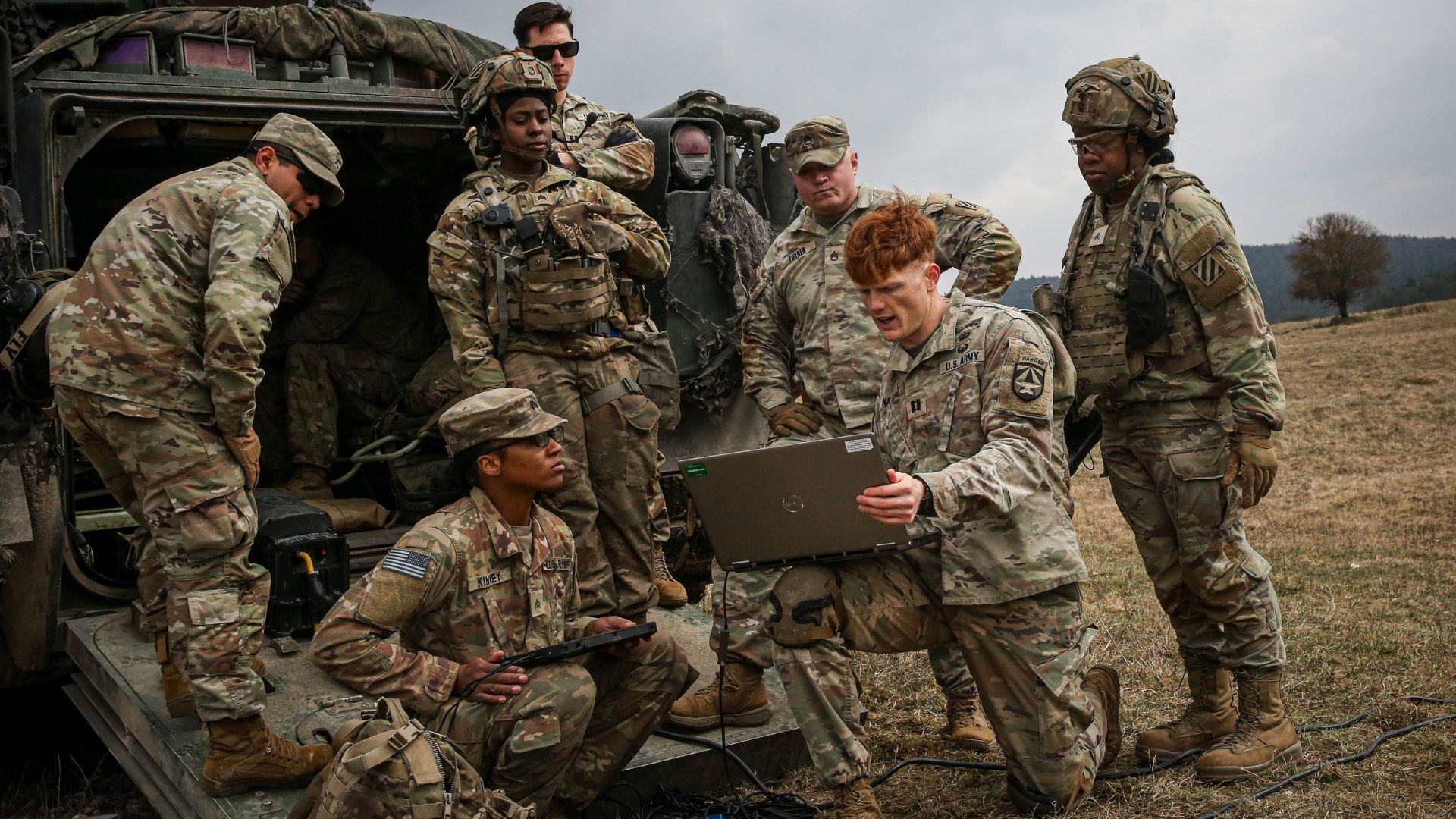
The U.S. Army Launches New Career Path for AI and Machine Learning Officers
The U.S. Army has taken a significant step forward by officially creating a new career pathway for officers to specialize in artificial intelligence (AI) and machine learning (ML). This initiative marks a pivotal shift toward a more data-centric and AI-enabled military force. The service has designated the 49B Artificial Intelligence/Machine Learning Officer as an official area of concentration, signaling a deeper commitment to integrating advanced technologies into its operations.
This move is part of a broader effort by the military to accelerate the adoption of autonomous systems, data-driven decision tools, and AI-supported logistics. Army leaders emphasize that the new specialty will create uniformed experts who can operationalize AI across the battlefield, ensuring that the Army remains at the forefront of technological innovation.
How Officers Enter the 49B Program
The Army introduced the 49B career path at the start of January. Officers interested in this specialty can apply through the Volunteer Transfer Incentive Program (VTIP), which allows them to switch career fields during their service. While the Army did not specify strict prerequisites, it noted that officers with academic or technical experience in AI and ML will be more competitive.
The service has not disclosed how many officers it plans to select in the first cohort. However, the program will be phased in over time. The first formal selection board will convene through VTIP in January 2026, with selected officers completing reclassification by the end of fiscal year 2026, which concludes in September.
There are also possibilities for expansion. Officials have mentioned that the 49B pathway may later be opened to warrant officers, though this decision is still under evaluation.
Training and Battlefield Roles
Officers selected for the 49B program will undergo graduate-level training focused on hands-on development, deployment, and maintenance of AI systems. The goal is to ensure these specialists can translate technical capabilities into real-world operational effects.
These officers will work across various mission areas, including accelerating battlefield decision-making, improving logistics efficiency, and supporting robotics and autonomous systems. The Army has been heavily investing in autonomy over the past year, expanding drone operations and battlefield robotics. The new 49B officers will play a critical role in fielding and overseeing these systems at scale.
“This is a deliberate and crucial step in keeping pace with present and future operational requirements,” said Lt. Col. Orlandon Howard, a U.S. Army spokesperson. “We’re building a dedicated cadre of in-house experts who will be at the forefront of integrating AI and machine learning across our warfighting functions.”
Broader Implications and Strategic Vision
The 49B rollout aligns with a larger Defense Department strategy. The Pentagon recently launched its own generative AI platform for service members and civilian employees, starting with a government-approved version of Google’s Gemini model. Secretary of Defense Pete Hegseth emphasized the importance of AI in the future of American warfare, stating, “The future of American warfare is here, and it’s spelled AI.”
Army leaders view the new specialty as a structural change rather than a pilot effort. By embedding AI expertise within the officer corps, the service aims to move faster than relying solely on contractors or civilian analysts. The Army expects the first group of 49B officers to complete reclassification by the end of the fiscal year.
This initiative represents a fundamental transformation in how the Army approaches technology and warfare. With the establishment of the 49B career path, the Army is positioning itself to lead in the next era of military innovation.
Posting Komentar