Trump's Peace Promises Backfire After Venezuela Attack and Maduro Capture
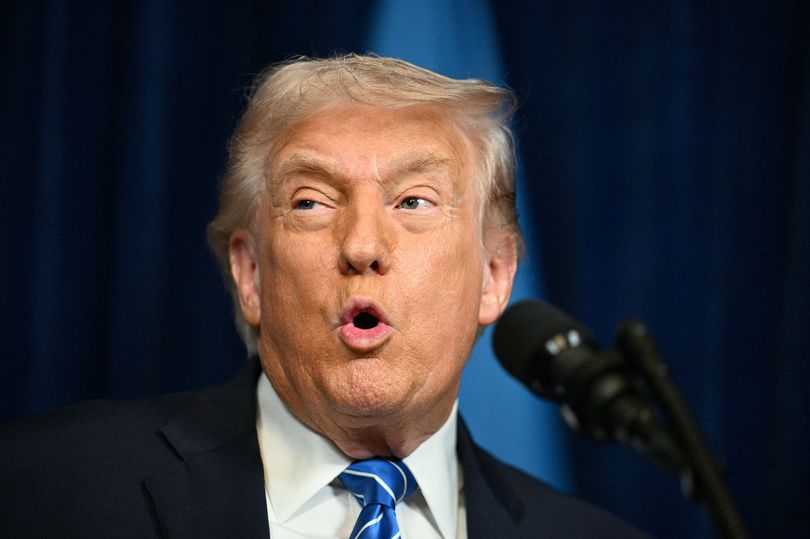
Donald Trump, who once positioned himself as the "President of Peace" upon returning to the White House last year, found his promises of non-aggression quickly challenged. During his second term, he repeatedly claimed he would not start any conflicts, emphasizing that his administration would focus on ending wars rather than initiating them.
In his January 2025 inaugural speech, Trump stated, "We will measure our success not only by the battles we win, but also by the wars that we end—and perhaps most importantly, the wars we never get into." This sentiment was a recurring theme throughout his 2024 campaign, where he and running mate JD Vance were marketed as the "pro-peace ticket."
Trump’s commitment to peace extended beyond rhetoric. He aggressively pursued the Nobel Peace Prize during his first year in office, often asserting that he "merited" the honor. His advisors even embraced the title of "President of Peace," with Secretary of State Marco Rubio recently suggesting that the State Department should display this moniker.
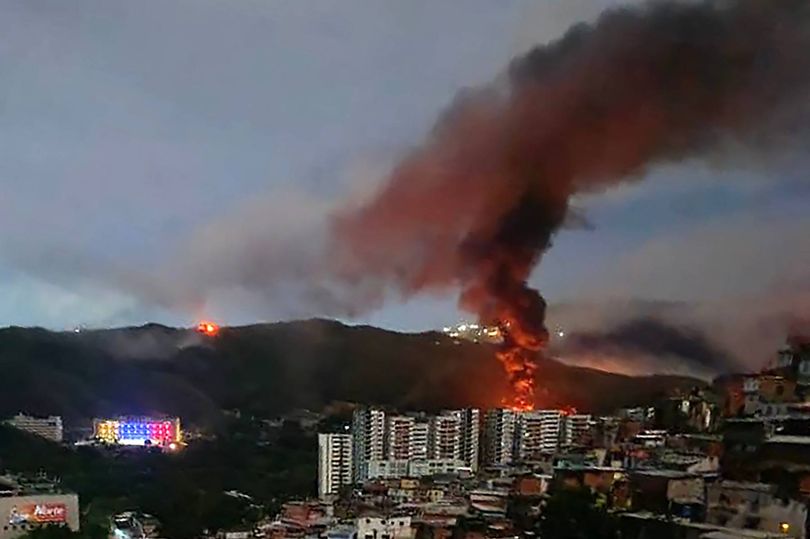
On New Year's Day, Trump reaffirmed his pledge to "Peace on Earth" for 2026. However, just three days later, airstrikes authorized by the president targeted Venezuela's capital, Caracas. The attacks, which included at least seven blasts and low-flying military aircraft, led to widespread condemnation from Venezuelan officials. President Nicolás Maduro blamed the United States for targeting both civilian and military facilities.
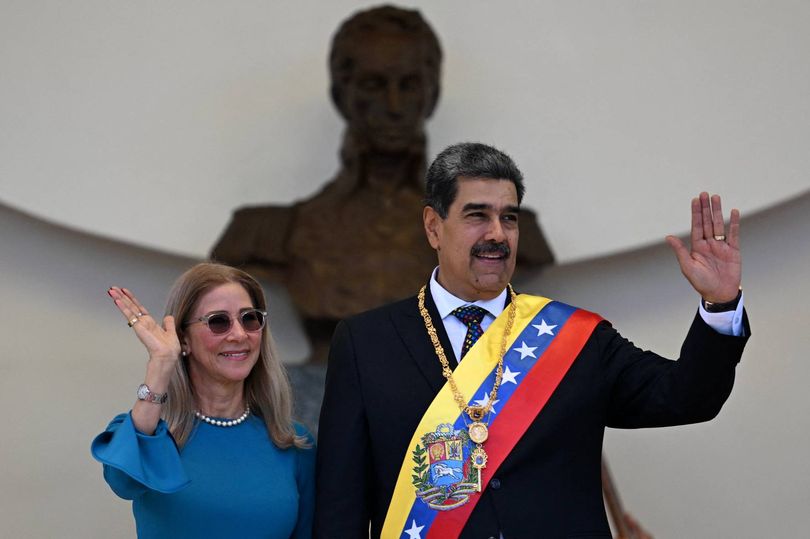
Within hours of the strikes, Trump took to Truth Social to announce that Maduro and his wife had been "captured" and expelled from the country. "The United States of America has successfully carried out a large-scale strike against Venezuela and its leader, President Nicolas Maduro, who has been, along with his wife, captured and flown out of the Country," he posted.
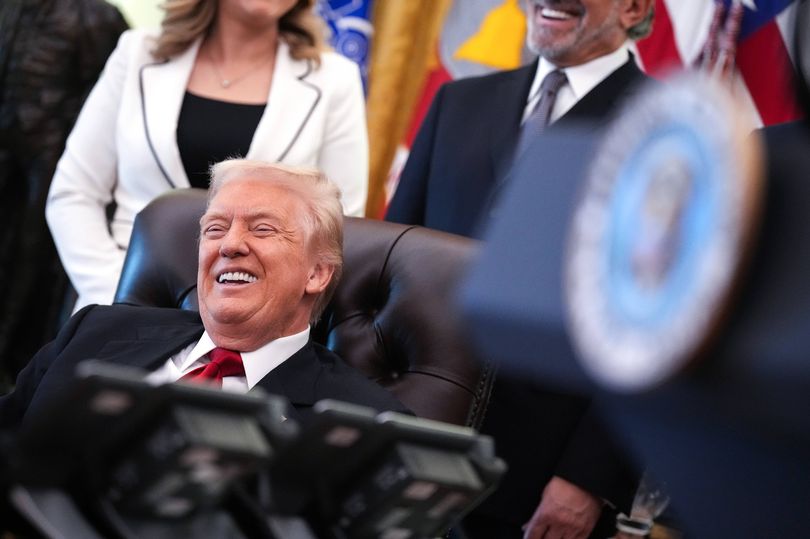
This military action marks a significant escalation in the Trump administration's pressure campaign against Maduro, who faces narco-terrorism charges in the U.S. For months, Trump had warned of potential strikes on Venezuelan territory following repeated attacks on vessels suspected of drug smuggling. Maduro has denied these allegations and condemned the U.S. military actions as an attempt to remove him from power.
Venezuela is now the latest nation targeted by American military action under Trump, contradicting his earlier promises of peace. According to data from the conflict tracking organization ACLED, the U.S. president ordered more aerial bombardments against foreign countries during his first six months in office than his predecessor, Joe Biden, authorized throughout his entire four-year presidency.
Over 500 bombing operations were conducted in 2025 alone. These included devastating attacks on Iran's atomic facilities and an extensive air and sea offensive against Houthi forces in Yemen. U.S. military units had previously targeted Venezuelan vessels suspected of drug trafficking, and on Christmas Day, Trump authorized air raids against what he called ISIS "terrorist scum" allegedly attacking Christians in Nigeria.
Despite these military actions, Trump received the heavily criticized FIFA Peace Prize last month. As part of his efforts to be seen as a peace broker, he has claimed to have ended eight conflicts, including ceasefire deals between Israel and Hamas, Israel and Iran, Pakistan and India, Rwanda and the Democratic Republic of Congo, Thailand and Cambodia, Armenia and Azerbaijan, Egypt and Ethiopia, and Serbia and Kosovo.
However, these claims are overstated. Recent developments have shown that some of these conflicts remain unresolved. For example, a meeting between Trump and Israeli Prime Minister Benjamin Netanyahu underscored the need for more effort before any announcement of the war's conclusion in Gaza.
Meanwhile, renewed combat has erupted between Thailand and Cambodia, and between Congolese troops and Rwanda-supported insurgents. Diplomatic initiatives in Egypt and Ethiopia, which do not directly involve the U.S., have reached an impasse, characterized more by escalated tensions than actual warfare.
The White House claims that the dispute between Serbia and Kosovo was resolved by Trump, but there has been no prospect of armed conflict between the neighboring countries during his second term or meaningful input from him this year to enhance diplomatic ties.
India also refuted Trump's assertions that he facilitated its ceasefire with Pakistan by providing trade incentives, stating there was no discussion between the U.S. and India regarding commerce in connection to the ceasefire.
In recent months, congressional Democrats and even some Republicans have challenged the Trump administration's military expansion in Venezuela. "This war is illegal," said Democratic Senator Ruben Gallego of Arizona, shortly after Saturday's airstrikes. Republican Senator Mike Lee of Utah also voiced concerns, stating, "I look forward to learning what, if anything, might constitutionally justify this action in the absence of a declaration of war or authorization for the use of military force."
Posting Komentar