Trump Claims Maduro Overthrown and Captured Following U.S. Strikes
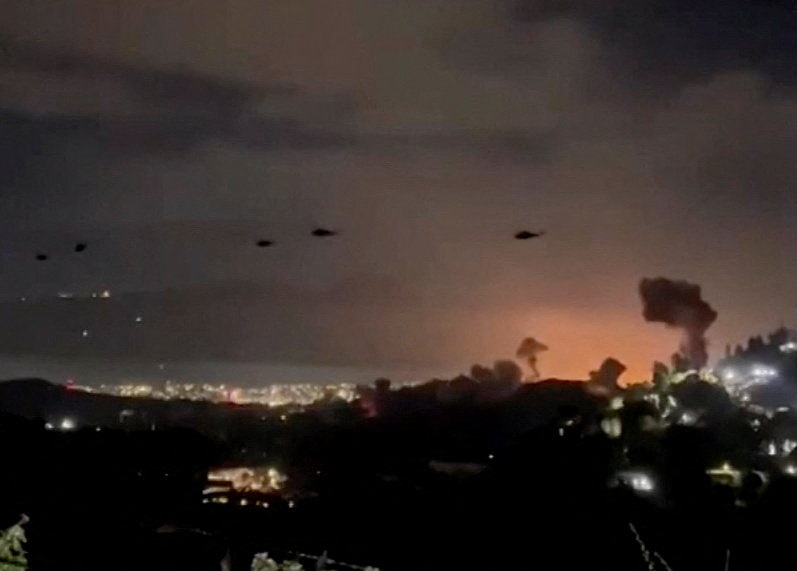
The U.S. Strikes Venezuela: A Bold Move in Latin American Politics
In a dramatic turn of events, the United States has taken direct action against Venezuela, capturing its long-serving President Nicolas Maduro. This development comes after months of pressure from President Donald Trump, who accused Maduro of drug-running and illegitimacy in power.
This marks a significant moment in U.S. foreign policy, as it is the first time since the 1989 invasion of Panama that the U.S. has engaged in such a direct intervention in Latin America.
Accusations Against Maduro
The U.S. has long accused Maduro of running a "narco-state" and rigging last year's election, which the opposition claimed they won overwhelmingly. Maduro, who took power in 2013 after succeeding Hugo Chavez, has consistently denied these allegations, stating that Washington aims to take control of Venezuela's oil reserves, the largest in the world.
U.S. Military Action
According to a U.S. official, Maduro was captured by elite special forces troops. However, there was no immediate confirmation from the Venezuelan government regarding his capture or departure. Defense Minister Vladimir Padrino responded defiantly, stating that Venezuela rejects the presence of foreign troops and emphasizing the country's history of libertarian resistance.
Regional Reactions
While various Latin American governments oppose Maduro and claim he stole the 2024 election, direct U.S. action has revived painful memories of past interventions. The region generally opposes such actions, both from governments and populations.
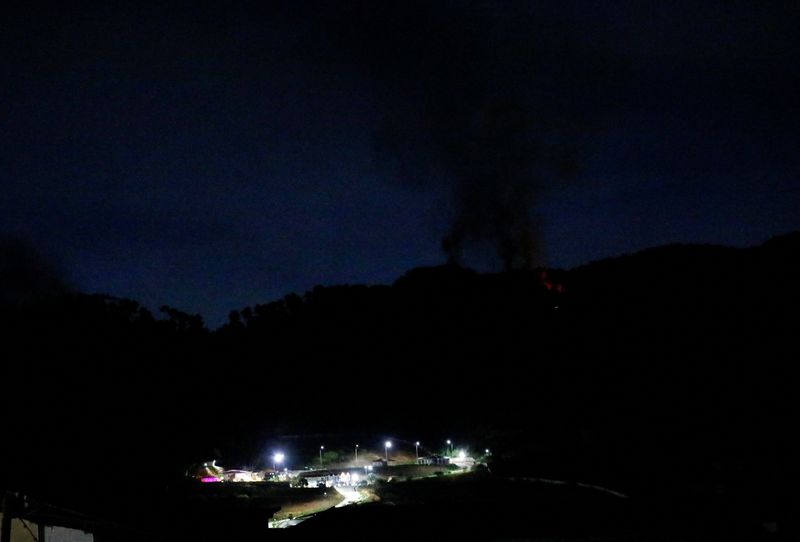
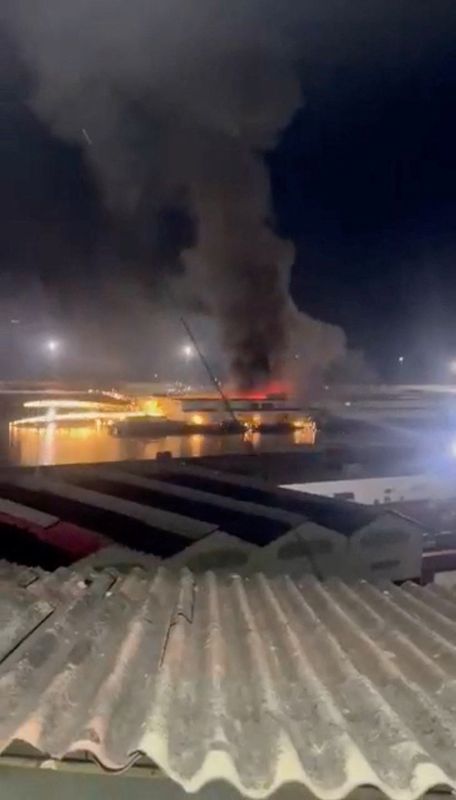
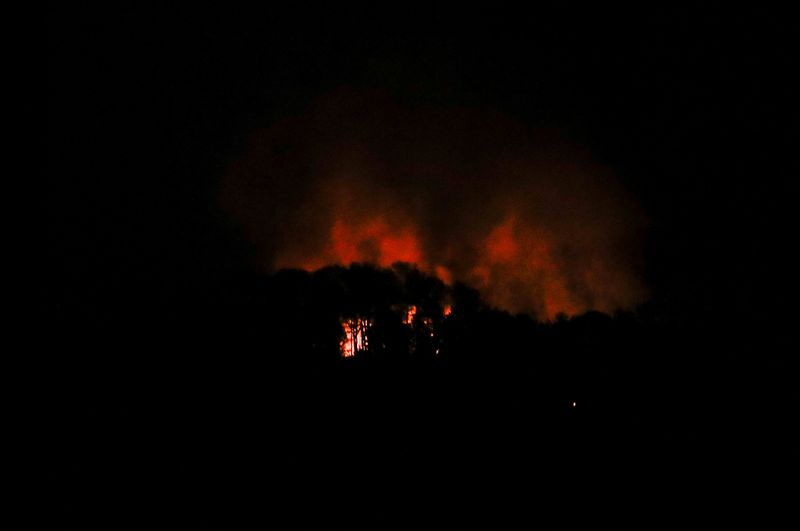
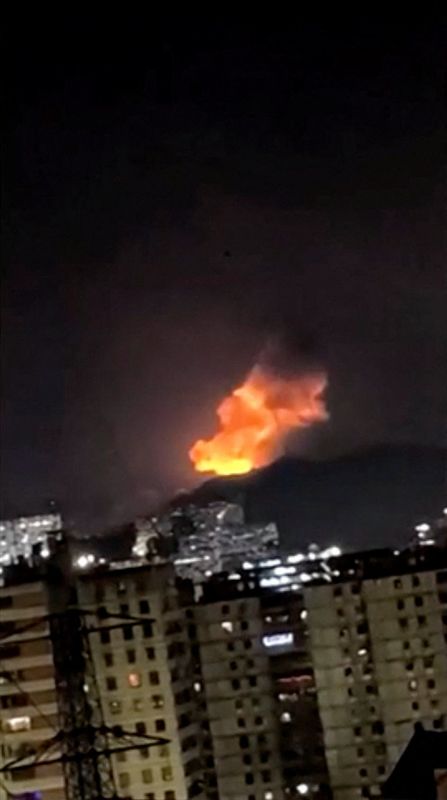
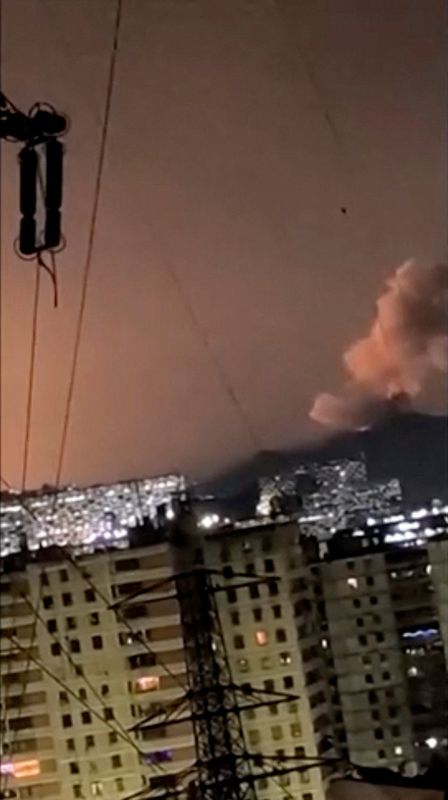
The Venezuelan opposition, led by recent Nobel Peace Prize winner Maria Corina Machado, has not issued an official comment on the events. In the early hours of Saturday, explosions rocked Caracas and other areas, prompting the government to declare a national emergency and mobilize troops.
Impact on Venezuelans
Residents expressed shock and fear as they captured video of billowing smoke and bright orange flashes in the sky. One woman in a video gasped at blasts in the distance, while Carmen Marquez, a resident of the eastern part of the capital, described hearing planes at different altitudes and seeing flare-like lights crossing the sky.
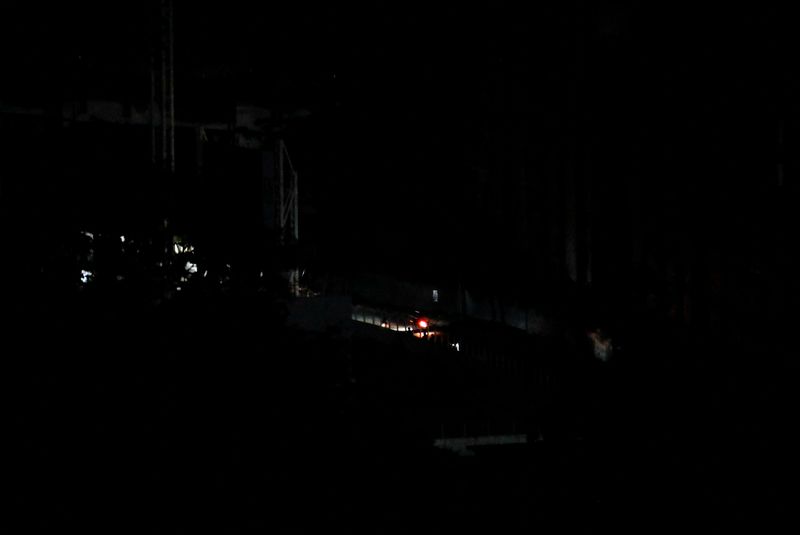
A power outage affected the southern area of Caracas, near a major military base, according to witnesses. A local media outlet allied with the ruling socialist party reported explosions near the Fuerte Tiuna and La Carlota military bases.
International Condemnation
Venezuelan allies Cuba and Iran quickly condemned the strikes. Tehran called it "a blatant violation of national sovereignty and territorial integrity" and urged the U.N. Security Council to intervene to stop the "unlawful aggression."
Legal Questions
It remains unclear under what legal authority the latest U.S. strikes were carried out. Legal experts have raised questions about the legality of the hits on suspected drug vessels in the region, which have killed more than 110 people so far.
U.S. Military Presence
The U.S. has made a major military buildup in the region, including an aircraft carrier, warships, and advanced fighter jets stationed in the Caribbean. Trump has sought a "blockade" of Venezuelan oil, expanded sanctions against the Maduro government, and staged more than two dozen strikes on vessels the U.S. alleges were involved in trafficking drugs in the Pacific Ocean and Caribbean Sea.
Conclusion
The U.S. strikes on Venezuela mark a significant shift in international relations and have sparked widespread debate over the legality and implications of such actions. As the situation continues to unfold, the global community watches closely to see how this will affect the future of U.S.-Venezuela relations and the broader geopolitical landscape in Latin America.
Posting Komentar