Travel experts urge immediate cancellation of summer plans
The Challenges of Summer Travel in 2026
Traveling to Europe during the summer months has become increasingly difficult. What was once a dream trip to the Amalfi Coast or the Greek islands could now turn into a logistical nightmare. Experts in the tourism industry have pointed out that "revenge tourism" has given way to an unsustainable saturation crisis. With rising temperatures and new entry fees, traveling during peak season is no longer a sign of status but rather a sign of poor planning.
Extreme Heat and Its Impact on Travel
One of the most pressing issues for travelers is the extreme heat in the Mediterranean region. The summer of 2025 set new temperature records, and projections for 2026 suggest that walking-based tourism in July could become physically dangerous across much of Southern Europe. Sightseeing on foot, which used to be a defining part of the European experience, may soon feel more like an endurance test than a leisurely activity.
Rising Costs and New Fees
In addition to the heat, travelers are also facing new layers of costs tied directly to over-tourism. More cities have followed Venice's lead by introducing daily entry fees. When these charges are added to inflated hotel prices, the daily cost of travel can quickly become prohibitive. What used to be a spontaneous city break now requires careful budgeting just to cross the city limits.
Air Travel and Dynamic Pricing
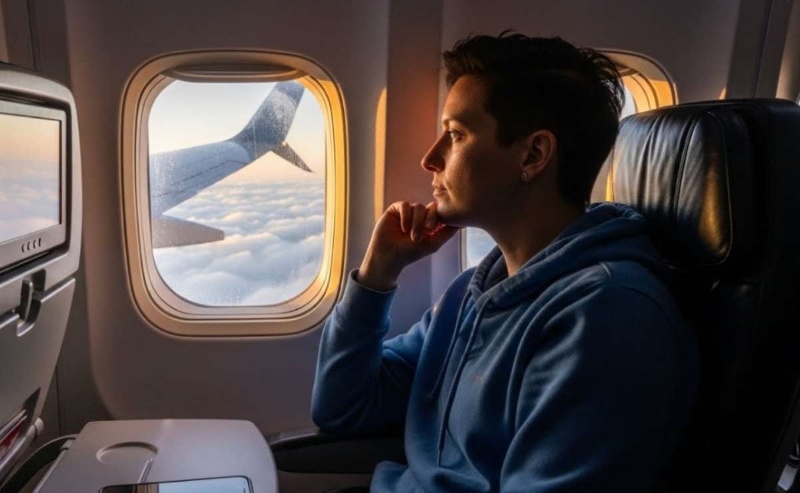
Air travel is adding to the pressure. Airlines are rolling out more aggressive dynamic pricing systems powered by advanced AI algorithms. These systems raise fares in real time based on demand and limited fleet availability, pushing summer flight prices roughly 30% higher than in 2024. If you're booking late, you're likely paying a premium simply for timing.
Changes in Local Attitudes
On the ground, the atmosphere has also shifted. In many over-visited destinations, local fatigue has turned into open hostility toward tourists. You may notice colder service, less patience, and a general sense that visitors are no longer welcome, which can fundamentally change how enjoyable your trip feels.
Shift Toward Shoulder-Season Travel
In response, there is a clear shift toward shoulder-season travel. More savvy travelers are booking trips for May or September, when the weather is still pleasant, crowds thin out, and prices often drop by half. These months increasingly offer the balance that peak summer once promised but can no longer deliver.
Evolving Destination Choices
At the same time, destination choices are evolving. Instead of traditional hot spots, 2026 is shaping up as the year of “coolcationing.” Travelers are more likely to escape the heat by heading to cooler climates such as Scandinavia or northern Canada, trading packed plazas and scorching temperatures for fresh air, space, and a more sustainable travel experience.
Posting Komentar