The secret to cooking broccoli like a nutrition expert
The Nutritional Power of Broccoli and How to Cook It Right
Broccoli is one of the most nutrient-dense vegetables you can eat, offering a rich source of vitamins, minerals, fiber, and powerful phytochemicals like sulforaphane. This compound has been linked to cancer protection and improved heart health. However, the way you cook broccoli plays a crucial role in how much of these benefits you actually receive.
“Broccoli’s nutritional value is greatly influenced by its cooking method,” says Kristen Smith, RDN, a spokesperson for the Academy of Nutrition and Dietetics. “Some techniques help preserve key nutrients, while others can destroy them.”
Best Cooking Methods to Maximize Broccoli’s Health Benefits
If your goal is to keep broccoli’s nutrients intact, some cooking techniques clearly outperform others. Research shows that steaming, microwaving, and light sautéing are the top three methods for maintaining both nutrients and taste.
Steaming: A Simple and Effective Method
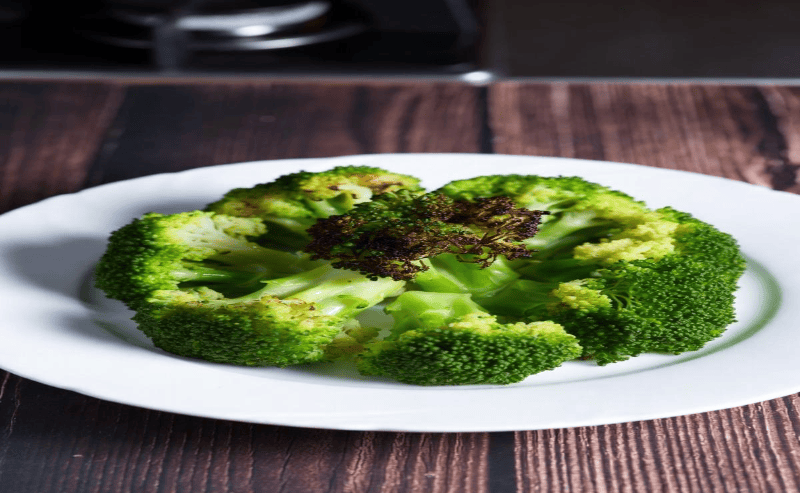
Steaming is widely regarded as the best way to preserve vitamin C and antioxidants. “Steamed broccoli can easily be prepared with a pot, lid, and steamer basket,” Smith says. “You can enhance its flavor with onion or garlic powder, lemon zest, chili flakes, or just a simple seasoning of salt and pepper.”
Steaming keeps broccoli tender-crisp and vibrant while locking in its nutritional power.
Microwaving: Surprisingly Nutrient-Preserving
Another smart option is microwaving, which might surprise you. Studies show that microwaving broccoli actually increases its sulforaphane levels—one of its most potent cancer-protective compounds. Because microwaving requires minimal water and short cook times, it reduces nutrient loss. “Microwaving is quick, convenient, and one of the best ways to retain broccoli’s bioactive compounds,” Smith explains.
Light Sautéing: Flavor Meets Nutrition
If flavor is your priority, light sautéing or stir-frying with olive oil is the way to go. Using moderate heat for a short time helps preserve texture while enhancing the absorption of healthy plant compounds like glucosinolates and isothiocyanates. Plus, olive oil adds heart-healthy fats and makes broccoli more satisfying.
While steaming and microwaving keep the most nutrients, roasting or sautéing can actually encourage higher veggie intake because of their rich flavor and caramelization.
“Cooking vegetables for extended periods isn’t ideal for nutrition,” Smith notes. “With broccoli, keeping its bright green color is a good sign that its nutrients have been better retained.”
The Downside of Boiling and Overcooking
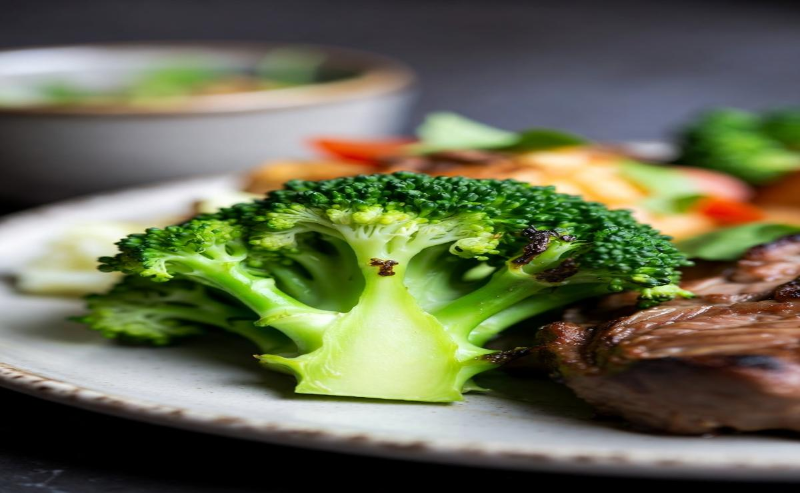
On the other hand, boiling broccoli is the least beneficial method. Boiling leaches out water-soluble vitamins like vitamin C and compounds like glucosinolates into the cooking water. Multiple studies confirm that boiling leads to the greatest nutrient loss, making it the least effective way to prepare this cruciferous powerhouse.
Overcooking in general is another common mistake. Whether you’re steaming or stir-frying, prolonged cooking breaks down heat-sensitive nutrients and can dull broccoli’s color and flavor.
“Overcooked broccoli loses both its vibrant green hue and its health-promoting compounds,” says Smith.
Conclusion: Cook Just Enough
Whether you prefer it crisp-tender or lightly charred, the bottom line is clear: the best broccoli is cooked just enough to preserve its nutrients, flavor, and color. A few minutes of gentle heat can turn this humble green into one of the most powerful foods on your plate.
Posting Komentar