Tennessee to Launch Noncitizen Driver Licenses in 2026
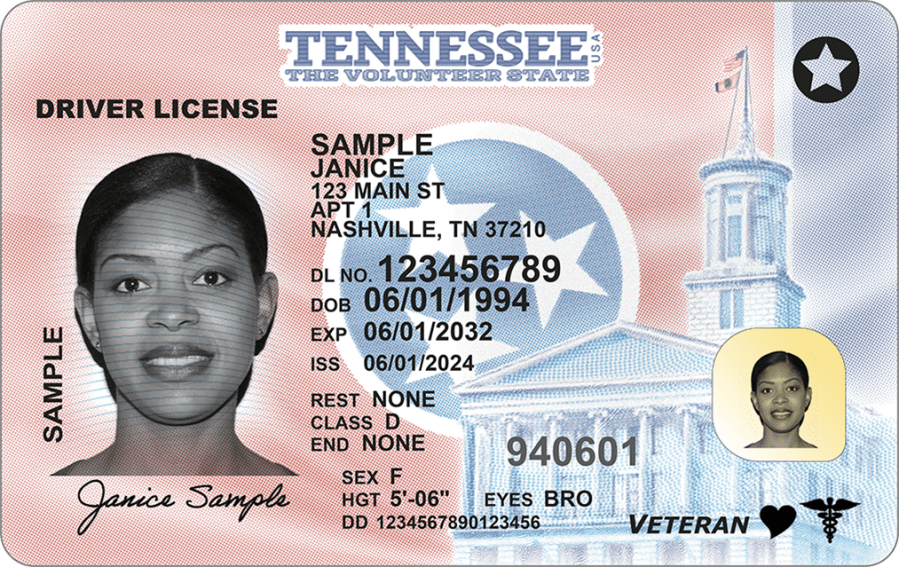
NASHVILLE, Tenn. — As the new year began, thousands of legal, permanent residents in Tennessee found themselves facing a significant change in their identification documents. A new law that came into effect on January 1 requires different IDs and driver licenses for individuals who are legal, permanent residents but not U.S. citizens.
The law is part of an effort to address voter eligibility by making it easier to identify who can vote. Republicans who passed the bill during a special legislative session last January argued that this change would help prevent non-citizens from voting. House Majority Leader William Lamberth (R-Portland) stated, “We anticipate it will be a small x on there, similar to the way the restrictions are now for contacts or something else, but that license would not be valid to register to vote or to actually vote.”
However, Renata Castro, founder of the immigration law firm USA4All, expressed concerns about the broader implications of the law. She told News 2 that the changes could have far-reaching consequences for those affected, even though they are legally present in the country. As an immigration attorney, Castro's main concern is the impact on access to services, particularly for victims of crime.
Castro also raised concerns about how the law might affect individuals' access to public education. She compared the new label on driver licenses to a visible marking that could lead to discrimination. “I have even heard in the past, individuals who were treated differently by security guards in communities, residential communities, as they were entering as guests or service providers because their license said something like, ‘Temporary,’” she said. “Imagine now that you have a scarlet letter of sorts on driver’s licenses and just the broad range of discrimination this could give rise to.”
Democrats also voiced similar concerns during the debate over the bill. Rep. Aftyn Behn (D-Nashville) criticized the law, stating, “We are resurrecting dangerous ideas from the past dressed up in the language of the administrative state.”
Republicans emphasized that the goal of the law is to prevent voter fraud. While Castro acknowledged that their intentions may be well-meaning, she argued that this approach is not the best solution. “We certainly do not want ineligible individuals voting,” she said. “I think we are all in agreement when it comes to that, but there has to be a better way than having people walking around with a branded document that says that they are not a U.S. citizen because being a U.S. citizen is not a requirement to get a driver’s license, and most importantly, having a driver’s license does not give an individual the right to vote.”
So far, there have been no lawsuits filed over the legislation, but Castro told News 2 that she wouldn’t be surprised if that changed soon. Some stakeholders are concerned about potential issues related to Equal Protection and Due Process rights.
As the law takes effect, the conversation around its impact on legal residents continues. The debate highlights the complex balance between ensuring election integrity and protecting the rights of all individuals, regardless of their citizenship status.
Posting Komentar