Overrated Star Trek Episode Distracted by Too Many Guest Stars
A Unique Episode in Star Trek History
When "Assignment: Earth" aired in 1968, it closed out season 2 of Star Trek: The Original Series with a not-too-carefully disguised backdoor pilot for a potential new series. Even though cliffhangers weren’t as common in the 1960s, ending the season with a story that sidelined the regular cast in favor of new characters was an unusual move.
On its surface, the episode offered a familiar setup: the Enterprise traveled back to 20th-century Earth to observe a pivotal moment in human history. What follows, however, was less a Star Trek story than a foolish showcase for guest stars viewers never signed up to follow.
Captain Kirk (William Shatner), Mr. Spock (Leonard Nimoy), and Dr. McCoy (DeForest Kelley) encountered Gary Seven, a mysterious human operative working for unseen extraterrestrial supervisors tasked with keeping Earth from destroying itself.
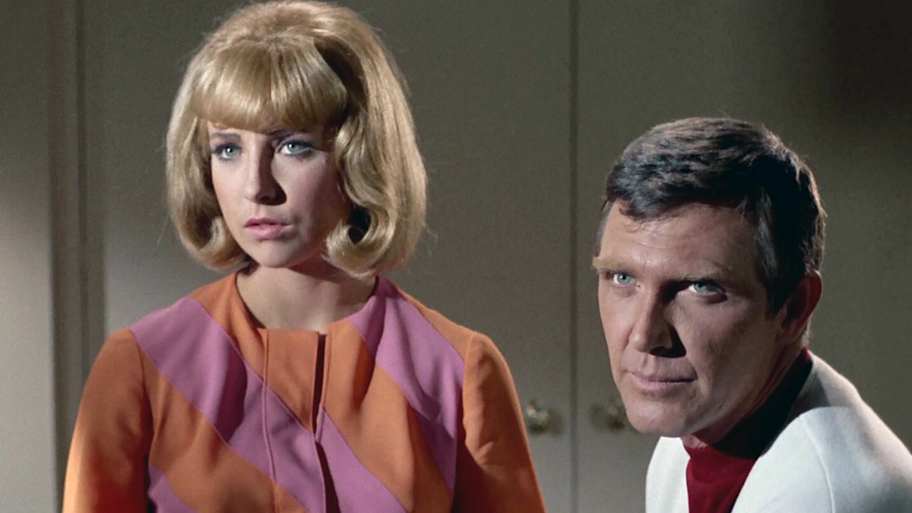
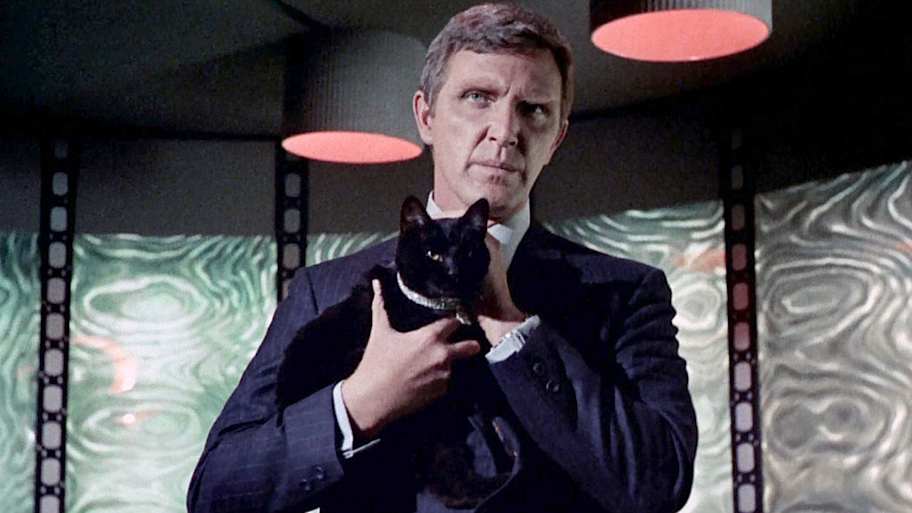
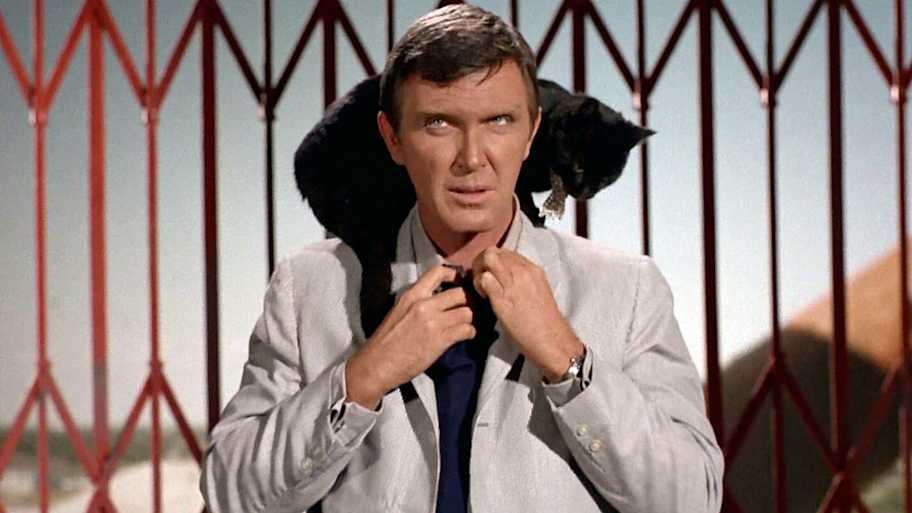
Gary Seven, played with cool, self-assured authority by Robert Lansing, was immediately positioned as the most competent person in the room. He knew more than Kirk, outmaneuvered Spock, and treated the Enterprise crew less like equals than temporary inconveniences.
That emphasis was no accident. Gene Roddenberry conceived "Assignment: Earth" as a springboard for a contemporary-set series focused on covert alien intervention in human affairs, a kind of Cold War sci-fi spy drama. To that end, the episode devoted significant time to establishing Seven’s world, his technology, and his supporting cast, most notably Roberta Lincoln, portrayed by Teri Garr in an early and energetic television role.
Garr brought charm and comedic timing to Roberta, but her function was clear: she wasn't there to enrich Star Trek, she was there to sell the next show. For the record, Garr later admitted she hated her Star Trek experience.
A Shift in Focus
The cost of that backdoor pilot ambition was paid almost entirely by the regulars. Kirk, Spock, and McCoy spent much of the episode watching events unfold from behind glass, commenting on the action rather than driving it. More specifically, Shatner and Nimoy each appeared for roughly 14 to 15 minutes of the episode’s runtime.
And our other regular co-stars—Nichelle Nichols, James Doohan, Walter Koenig, and George Takei—saw their usual limited screen time limited even more. The result was an episode that felt curiously hollow, a TOS-shaped frame holding a story about anyone but the crew.
The supporting guest cast further underscored how far the episode drifted from the norm. Don Keefer, Morgan Jones, and Paul Baxley populated the Earth-bound narrative with military and law-enforcement authority figures, grounding the episode firmly in late-1960s techno-thriller territory.
Even Gary Seven’s cat, Isis, received more narrative attention than some Enterprise officers.
A Missed Opportunity
"Assignment: Earth" unquestionably let down The Original Series. Star Trek director Marc Daniels brought a steady, professional hand to the "Assignment: Earth" production, which lent the episode a convincingly contemporary feel. But even Daniels couldn't smooth over the structural awkwardness of a story split between serving Star Trek and setting up a replacement/spin-off. The tone oscillated between science-fiction parable and espionage procedural, never fully committing to either—and never quite feeling like the show audiences tuned in to watch.
In retrospect, "Assignment: Earth" was more interesting as franchise archaeology than as television drama. It offered insight into Roddenberry’s restless creativity and his desire to expand beyond the Enterprise, even as network realities ultimately derailed those plans.
As an episode of Star Trek, however, it remains a curious misfire: polished, ambitious, and undeniably confident—but fundamentally unwilling to give its own stars the screen time, agency, or narrative weight they’d already earned.
For a series that thrived on the chemistry of its leads, "Assignment: Earth" stands as a reminder that no matter how clever the concept, Star Trek works best when it remembers who its story is actually about—and that sidelining the TOS ensemble was a shortcut to an episode that never quite landed.
Posting Komentar