North Texas Doctors Share Winter Allergy Relief Tips
Winter Allergies Are Affecting North Texas
A warmer winter has led to an increase in pollen levels across North Texas, causing many residents to suffer from allergy symptoms. Doctors have identified cedar pollen as a major contributor to sneezing, congestion, and other discomforts associated with allergies.
Understanding the Impact of Pollen
The unusual weather patterns have created conditions that are ideal for pollen production. As a result, North Texans are experiencing what is known as "winter allergies." These allergies are not limited to traditional springtime allergens but can occur during colder months when certain plants release their pollen.
Residents like Daniela Rodriguez-Lorraine have reported increased sneezing and coughing, while Susan Hernandez mentioned experiencing more nasal congestion during high-pollen periods. Jorge Rodriguez-Lorrain, who recently moved from Connecticut to North Texas, noticed his allergies worsened after the move.
Expert Advice on Managing Allergies
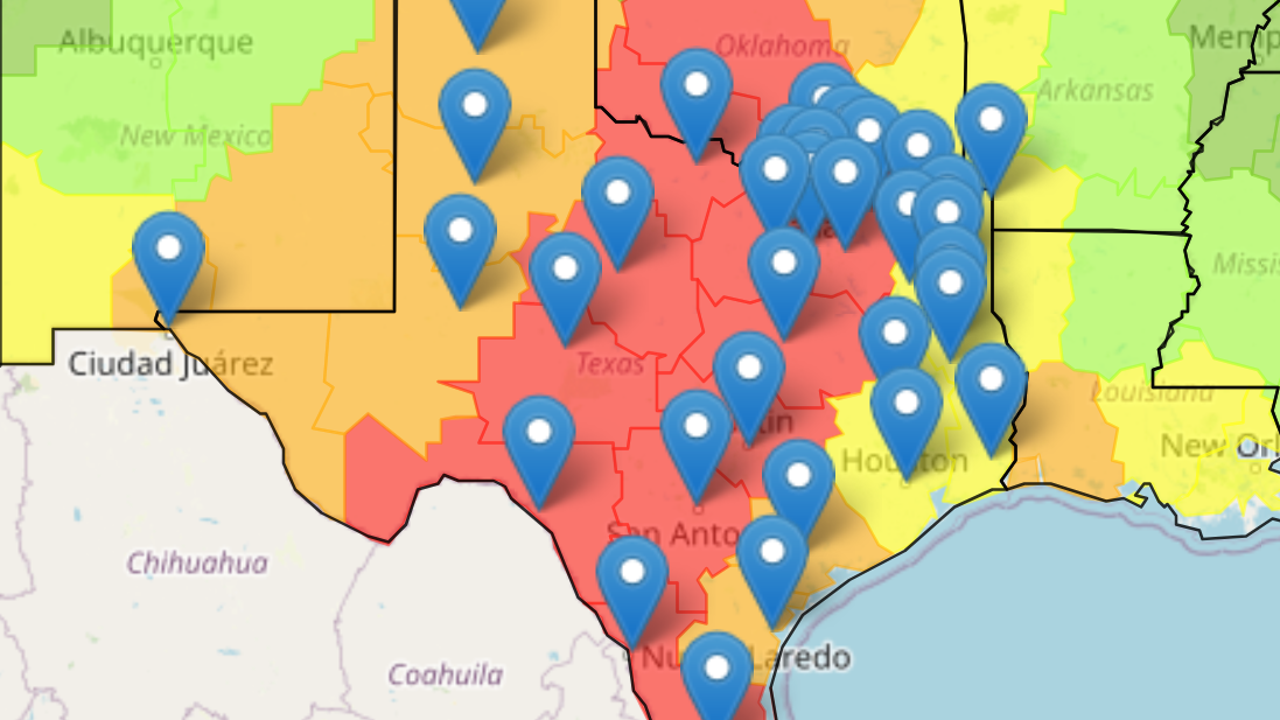
Dr. Nathan Luke, a family medicine physician at Prism Health North Texas, sees many patients dealing with allergy issues. He emphasizes the importance of staying informed about local pollen levels. According to the National Allergy Map, much of North Texas is currently under a red alert for allergies.
Dr. Kareem Haroun, an ear, nose, and throat specialist, explains that cedar allergies tend to peak during this time of year. He notes that the fluctuating temperatures between warm and cold create an environment where more pollen is released. This can dry out the sinuses and exacerbate allergy symptoms.
His recommendations include:
- Using saline rinses to wash the nose and reduce irritation
- Avoiding areas with high pollen concentrations
- Utilizing air filters to improve indoor air quality
For more severe reactions, he suggests over-the-counter nasal sprays. However, he advises against using decongestants for simple allergies.
When Will Allergy Season End?
FOX 4 asked doctors when relief might be expected. They indicated that if the weather remains cool for an extended period, there could be a temporary decrease in pollen counts. This would provide some respite for those suffering from allergies.
Tips for Reducing Exposure
To minimize the impact of pollen, consider the following strategies:
- Keep windows closed during high-pollen days
- Use air purifiers indoors to filter out allergens
- Shower and change clothes after spending time outdoors
- Check local pollen forecasts regularly
By taking these steps, individuals can better manage their allergy symptoms and improve their quality of life during the winter season.
Posting Komentar