N Korea Defectors' Resettlement Centers to Launch Next Year
Integration of North Korean Defectors' Resettlement Facilities
South Korea is planning to integrate the main center and branch of Hanawon, the state facility for supporting North Korean defectors' resettlement. This move comes as part of efforts to streamline operations and ensure more efficient use of resources, given the sharp decline in the number of North Koreans entering the South in recent years.
Currently, Hanawon operates two facilities: the headquarters in Anseong, just south of Seoul, which focuses on helping female defectors with their resettlement, and a branch in Hwacheon, Gangwon Province, which serves male defectors. However, the government is now considering merging these two locations into a single, more unified facility.
According to Chang Yoon-jeong, the deputy spokesperson of the Unification Ministry, the integration plan is being reviewed as a way to improve operational efficiency. "The government is reviewing measures to integrate those two facilities and redeploy personnel to ensure efficient operations and implement them as soon as possible," he stated during a press briefing.
This decision comes in response to a significant drop in the number of North Koreans seeking refuge in South Korea. The number of defectors has been declining steadily over the past decade, with a sharp decrease observed after the North Korean government sealed its borders during the COVID-19 pandemic.
The peak number of defectors was recorded in 2009, when 2,914 North Koreans entered South Korea. By 2019, this number had dropped to 1,047. The situation worsened further in 2020, when Pyongyang closed its borders to prevent the spread of the virus, leading to only 229 defectors that year. The trend continued into 2021, with just 236 defectors recorded.
This decline has raised concerns about the long-term viability of the current resettlement system. With fewer defectors arriving, maintaining two separate facilities may no longer be cost-effective or practical. The integration plan aims to address these challenges by consolidating resources and personnel.
The proposal was discussed during a recent briefing for the ministry's 2026 policy plan, where it was reportedly presented to President Lee Jae Myung. While details of the integration plan are still under review, officials have indicated that the goal is to implement the changes as soon as possible.
Reasons Behind the Decline in Defectors
Several factors have contributed to the sharp decline in the number of North Koreans coming to South Korea:
- Border Closure During the Pandemic: The most significant factor was the closure of North Korea's borders in 2020 to prevent the spread of the coronavirus. This effectively halted the flow of defectors.
- Economic and Political Changes: Improved economic conditions in North Korea, along with tighter border controls, have made it more difficult for individuals to cross into South Korea.
- Reduced Attraction of South Korea: Some defectors have expressed concerns about the high cost of living and the challenges of adapting to life in South Korea, which may have discouraged others from making the journey.
Future of Hanawon
As the integration plan moves forward, there are questions about what will happen to the existing facilities and the staff who work at them. Officials have not yet provided specific details about how the transition will be managed, but they have emphasized the need for efficiency and adaptability.
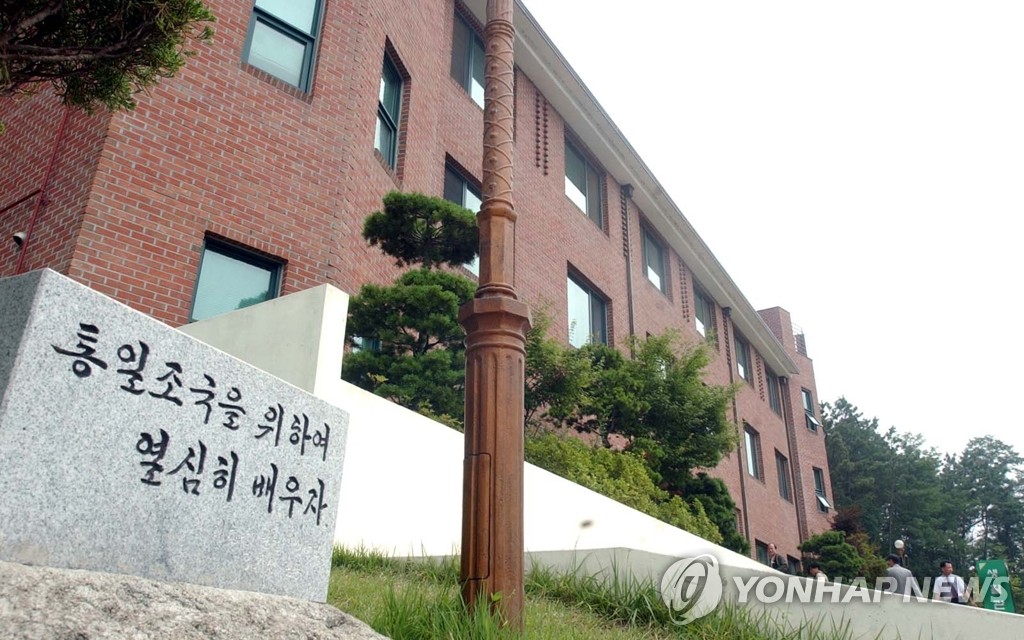
The future of Hanawon remains uncertain, but the government appears committed to rethinking its approach to supporting North Korean defectors in light of changing circumstances. Whether this integration will lead to a more sustainable model for resettlement remains to be seen.
Posting Komentar