Michigan Residents Struggle with Rising Healthcare Costs
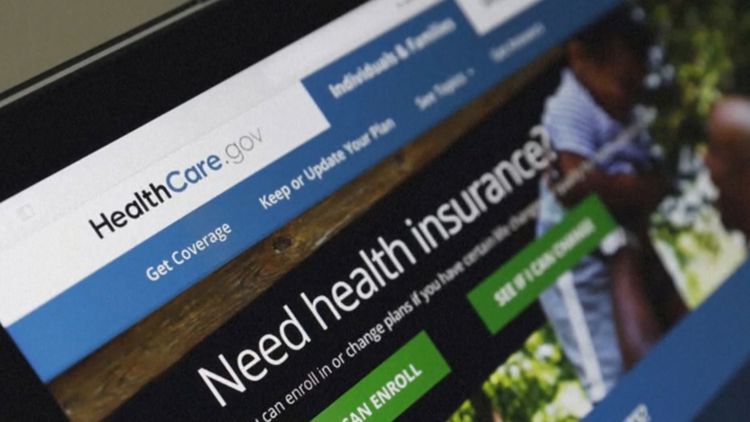
The start of the new year has brought a wave of uncertainty for millions of Americans, as they face the potential loss of health care coverage. Approximately 24 million individuals across the country, including 530,000 residents in Michigan, are now grappling with the fear of being without health insurance. This crisis stems from the expiration of subsidies under the Affordable Care Act (ACA) on New Year’s Day.
Experts warn that this development will lead to a sharp increase in premiums, making healthcare unaffordable for many. Marianne Udow-Phillips, a lecturer at the University of Michigan School of Public Health and senior advisor at the Center for Health and Research Transformation, emphasizes the severity of the situation. “It's a huge challenge for so many people,” she said.
In Michigan, about 90% of those enrolled in the health insurance marketplace currently receive tax credits. Udow-Phillips explains that these credits have played a crucial role in keeping premiums manageable. However, with their expiration, the cost of coverage is expected to rise significantly. According to an analysis by the Kaiser Family Foundation in September, out-of-pocket costs for ACA enrollees could more than double.
To illustrate the impact, Udow-Phillips provided an example: “A couple, let's say they earn $90,000 a year. They go from paying $638 a month to $2,695 a month. They’d be paying almost $32,000 in health insurance premiums. Four times what they paid last year.”
Since the introduction of tax credits in 2021, enrollment in the health insurance marketplace has more than doubled, rising from 11 million to 24 million. However, experts are concerned that the increased costs may push millions into a state of being uninsured. Udow-Phillips warns, “We'll have people going to the hospital who can't pay their bills. That puts more pressure on hospitals who have people who have bad debts. They can't cover the cost of the care, that raises premiums for everybody who has coverage.”
For those without insurance, the consequences of not receiving preventative care can be dire. Udow-Phillips notes, “What we expect to see is many more people showing up in the emergency room, where there's already long waiting times, who are uninsured and in crisis. If somebody's having, for example, a diabetic crisis, they'll stabilize that individual. But, they won't help them manage their diabetes long-term.”
Udow-Phillips also highlights that the expiration of ACA credits will affect even those with employer-provided health insurance. “There are people who become uninsured,” she said. “Many of them would still need some form of medical care, and they would end up in the hospital, unable to pay their bills, and those bills have to go somewhere. That raises premium costs for everybody else.”
With the Senate returning to work on January 5 and the House reconvening on January 6, the political landscape remains uncertain. In the fall, disagreements between Democrats and Republicans over ACA subsidies led to the longest government shutdown in U.S. history. Udow-Phillips points out that while Democrats have been united in their support for healthcare as part of a civil compact, there are also Republicans who share this view. However, she acknowledges that many others believe healthcare should be left to the marketplace.
Despite these challenges, Udow-Phillips does not expect a quick resolution in Washington. “I'm not optimistic that they are going to pass the extension on the subsidies,” she said. “A one-year extension costs $30 billion. They just passed a big tax cut bill, and we're getting less tax revenue as a country. Finding $30 billion for one year is a challenge. Over ten years, that figure is $350 billion.”
Posting Komentar