Key insights from Jack Smith's congressional testimony
Former special counsel Jack Smith recently appeared before House Republicans in a closed-door deposition, where he defended his investigations into Donald Trump's alleged efforts to subvert the 2020 presidential election and his retention of classified documents. The testimony lasted several hours and was used to counter claims that his team had acted politically. Smith emphasized that his decisions were based on facts and the law, not on Trump’s political affiliations or activities.
"I made my decisions in the investigation without regard to President Trump’s political association, activities, beliefs, or candidacy in the 2024 presidential election," Smith stated during the December 17 meeting with the House Judiciary Committee. This was Smith's first appearance before Congress since leaving his role as special counsel in 2024. While much of the information was familiar, the exchange featured sharp exchanges with Republicans on the panel regarding the strength of the case and the actions taken during the probe.
One point of contention was the tolling records sought by Smith’s team from Republican lawmakers. These records were criticized by Republicans as conflicting with the speech or debate clause of the Constitution. Despite this, the committee chose to publish the redacted transcript on New Year's Eve, possibly to minimize any impact during the holiday season.
Key Moments from the Hearing
The eight-hour hearing included several notable exchanges. One of the most significant was Smith's response to a lawyer for Republicans who questioned whether Trump’s remarks about the 2020 election would be protected by the First Amendment. Smith firmly denied this, stating, "Absolutely not." He argued that there is no historical precedent for what Trump did in this case, even as the lawyer listed past instances of disputed elections and presidential statements on election integrity.
Smith also discussed the evidence gathered against Trump, claiming it was sufficient for a conviction. He described how Trump made false statements to state legislatures and his supporters, and that he was aware of the anger among his supporters leading up to January 6th. Smith asserted that Trump directed his supporters to the Capitol and refused to stop the violence, even issuing a tweet that endangered the life of his own vice president.
Evidence and Charges
Smith emphasized that his team had developed "proof beyond a reasonable doubt" that Trump engaged in a criminal scheme to overturn the 2020 election results and prevent the lawful transfer of power. They also found "powerful evidence" that Trump willfully retained highly classified documents after leaving office at Mar-a-Lago. However, Smith noted that the investigation did not determine whether to charge key Trump allies such as Rudy Giuliani, Sidney Powell, and John Eastman.
He reiterated that Trump was "the most culpable" and "most responsible" for the alleged attempts to subvert the election. Smith also mentioned that while they had evidence to charge individuals at a certain point, they had not made final determinations before the investigation was wound down following Trump's reelection.
Reactions to Oustings and Subpoenas
Smith expressed concern over the ousting of FBI agents and Justice Department officials involved in the Jan. 6 investigations. He described the move as an act of retaliation against those who did their jobs. In recent months, the FBI has forced thousands of personnel to fill out detailed questionnaires about their roles in the Jan. 6 investigations, which some described as a form of retaliation.
Additionally, Smith addressed the subpoenas issued to phone companies for data belonging to lawmakers. He stated that these subpoenas aligned with Justice Department policy and that the Public Integrity Section had approved them. Records showed that the section warned prosecutors to be cautious about concerns lawmakers might raise about the speech or debate clause.
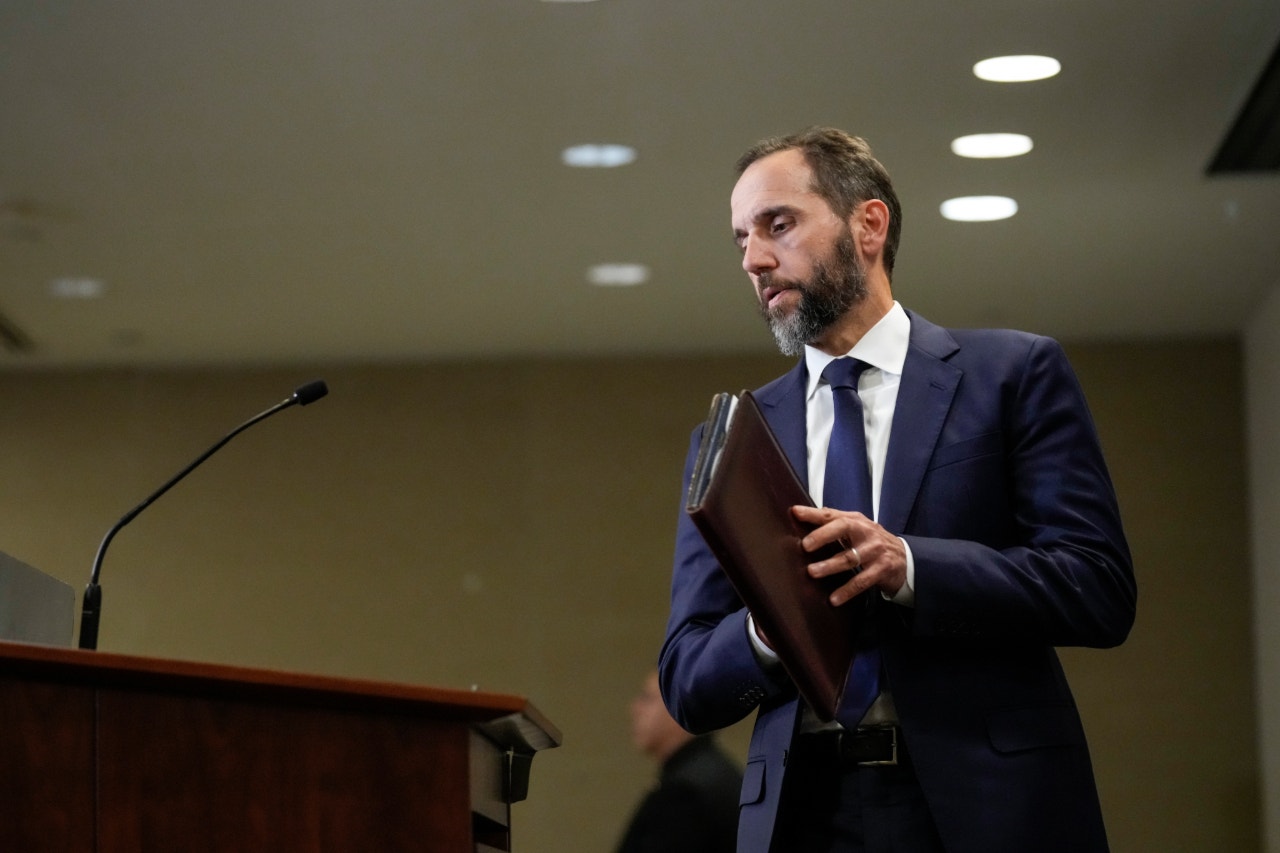
Smith also discussed the gag orders that accompanied the subpoenas, which prevented lawmakers from learning about the existence of the subpoenas for at least one year. He claimed that the D.C. federal court authorizing the gag orders was unaware they applied to Congress members. When asked about accountability for lawmakers who felt their constitutional rights were violated, Smith pointed to Trump, stating that the responsibility lay with him.
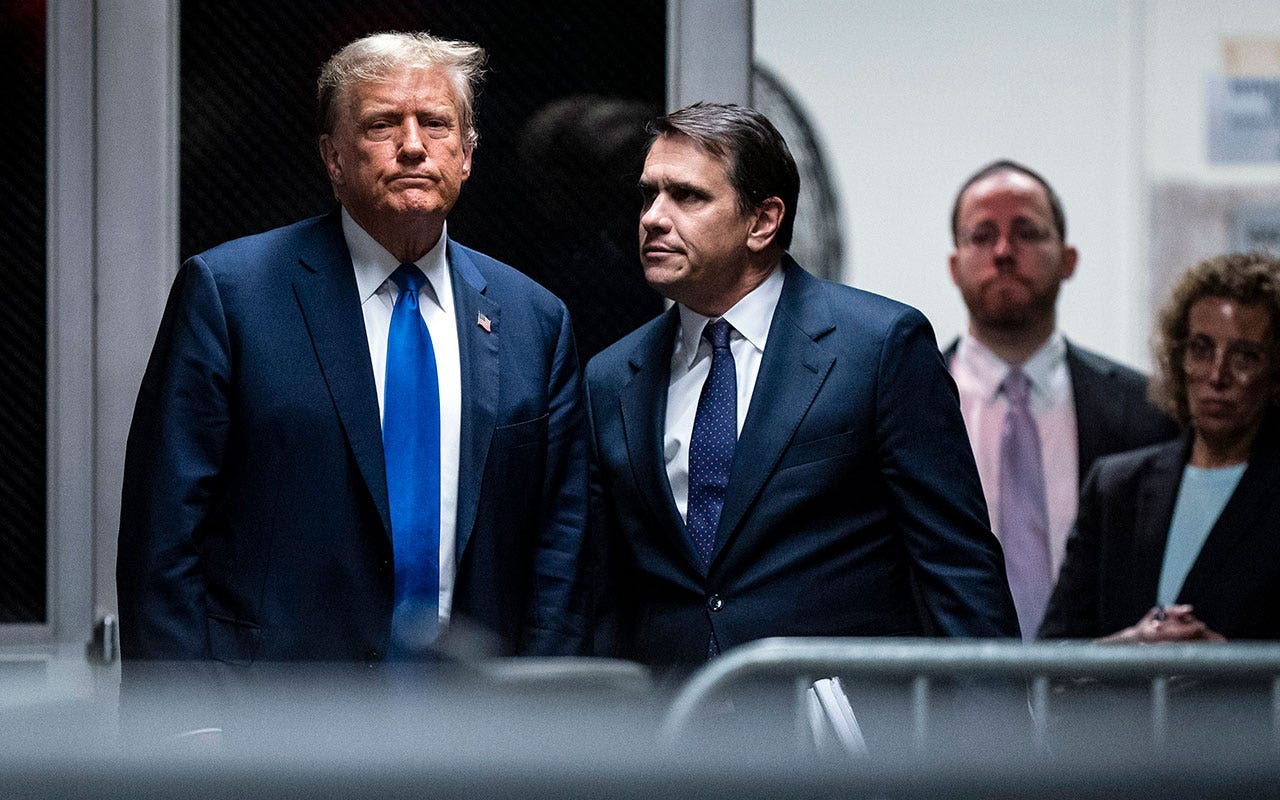
Smith’s testimony highlighted the ongoing tensions between the former special counsel and the current administration. Trump has taken steps to target individuals and entities connected to the investigations, including revoking security clearances for employees of a law firm representing Smith and taking punitive measures against FBI agents involved in the Jan. 6 investigation.
Conclusion
Smith’s deposition provided a detailed account of the investigations into Trump’s actions, emphasizing the legal and factual basis for the charges. His testimony underscored the complexity of the cases and the challenges faced by the special counsel team. As the political landscape continues to evolve, the implications of these investigations remain significant for both the legal and political spheres.
Posting Komentar