Kansas City Officials Push Vaccination as Mpox Cases Rise
Kansas City health officials are reminding at-risk individuals to consider vaccination as the Monkeypox virus continues to be present in the metro area. On Friday, January 2, the Kansas City Health Department reported that they are closely monitoring ongoing cases of the virus. All local infections have been associated with the Clade II strain, which generally leads to less severe symptoms.
Meanwhile, the Clade I strain, known for causing more serious illness, is spreading in parts of Africa. Although the overall risk to the public remains low, health leaders are emphasizing the importance of awareness and prevention, particularly for those who may be more vulnerable.
“We want residents to know that the overall risk remains low,” said Marvia Jones, Director of the Kansas City Health Department. “By staying informed, getting vaccinated if eligible, and taking simple precautions, Kansas Citians can help limit the spread of Mpox.”
How Mpox Spreads
Health officials have outlined several ways that Mpox can be transmitted:
- Close skin-to-skin contact, including:
- Intimate or sexual contact
- Shared bedding, towels, or clothing
- Close household exposure
While anyone can contract Mpox, certain groups are considered to be at higher risk due to their lifestyle or health conditions.
Who’s at Higher Risk
According to the health department, the following groups are more likely to be affected by Mpox:
- People with multiple sexual partners
- Men who are sexually intimate with other men
- Transgender and nonbinary individuals
- Those with HIV or other conditions that weaken the immune system
What to Know About Clade I vs. Clade II
Mpox is currently circulating at low levels in the United States, with all cases identified in Kansas City linked to the Clade II strain, which typically causes milder illness.
However, an outbreak caused by the Clade I virus in the Democratic Republic of Congo has raised concerns about potential increases in transmission and more severe disease globally. So far, no Clade I cases have been detected in Kansas City.
Symptoms and What to Do
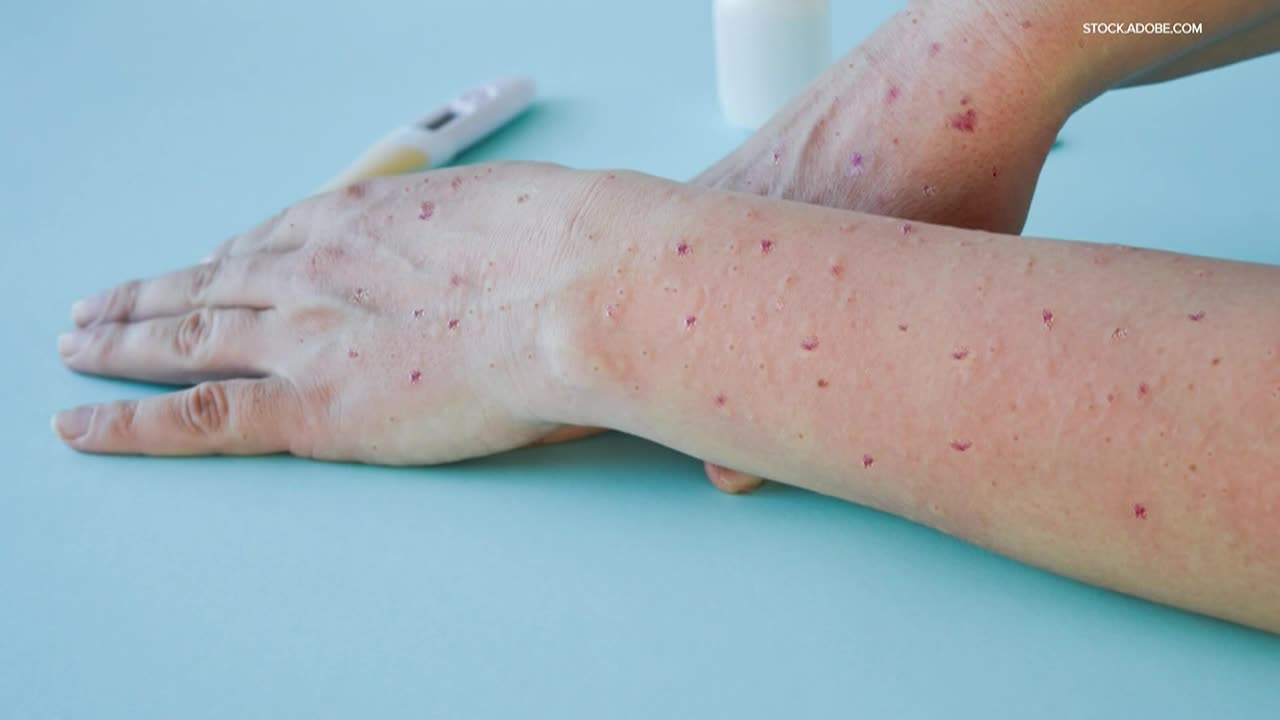
Mpox often presents with a rash or lesions that can be painful, along with flu-like symptoms. These symptoms usually last between two to four weeks.
If you experience any symptoms, it is recommended that you:
- Avoid close or intimate contact with others
- Stay home while waiting for test results
- If diagnosed, isolate until all sores have healed and new skin has formed
- Notify close contacts immediately so they can monitor for symptoms and seek vaccination if eligible
How to Protect Yourself
The Kansas City Health Department advises the following steps to prevent the spread of Mpox:
- Get vaccinated if you are at increased risk
- Avoid close contact with people who are sick or have a rash or sores
- Do not share personal items like bedding, towels, clothing, or explicit toys
- Watch for symptoms such as a rash, sores, fever, or swollen lymph nodes
- Stay home while waiting for Mpox test results
- Isolate if diagnosed until all sores have healed
- Notify close contacts if you test positive
Where to Get Vaccinated
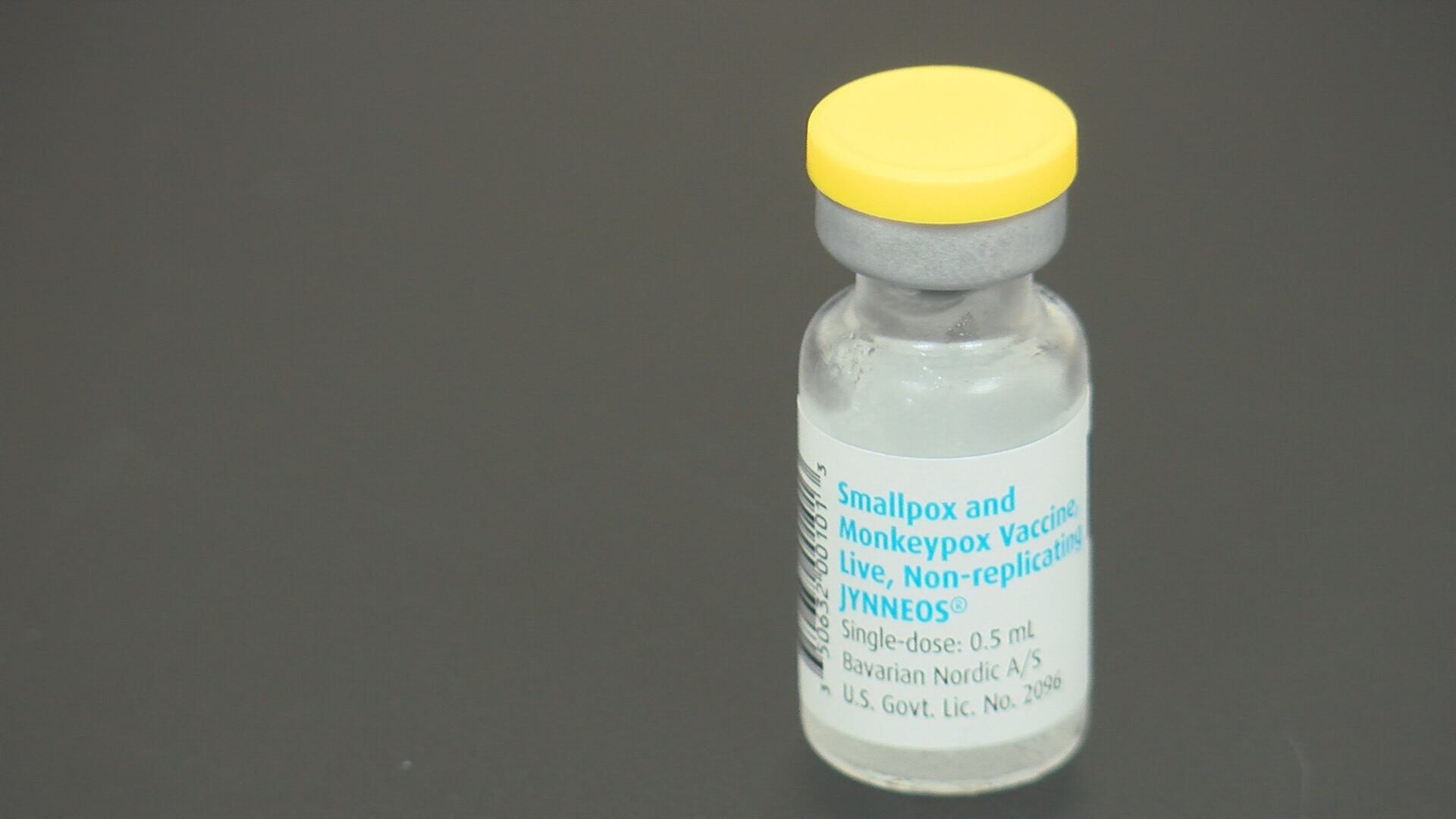
Mpox vaccines are available through the Kansas City Health Department for those who meet eligibility criteria. For more information, visit the official website.
Eligible residents can receive the vaccine at the Immunization Clinic from 8 a.m. to 5 p.m., Monday through Friday. For vaccine information, call the Kansas City Health Department at 8616-513-6008 or consult your primary care provider.
Testing and Resources
If you believe you have Mpox symptoms, contact the Health Department at 816-513-6132 to determine eligibility for testing at the State Public Health Laboratory.
The Kansas City Health Department’s Sexual Health Clinic is located at 2400 Troost Ave., Suite 2000.
Posting Komentar