Jed Hoyer Must Pull Off This Big Trade Fast
The Cubs' Pitching Dilemma
With Tatsuya Imai heading to Houston and the holidays behind us, the starting pitching market could start heating up soon. Framber Valdez headlines the free-agent crop of arms, but the trade market seems like the most likely route for Jed Hoyer and the Chicago Cubs to bolster their rotation.
Why? Chicago sits around $35 million shy of the first CBT threshold—a mark the team has more or less used as a soft salary cap in recent years. That doesn't even mean Hoyer has that money to spend this winter, because the club likes to leave a little wiggle room for in-season additions. Valdez, by some estimates, could command $30 million annually in his next deal—which would come close to maxing out the Cubs’ self-imposed budget.
A Stronger Rotation Starts with MacKenzie Gore
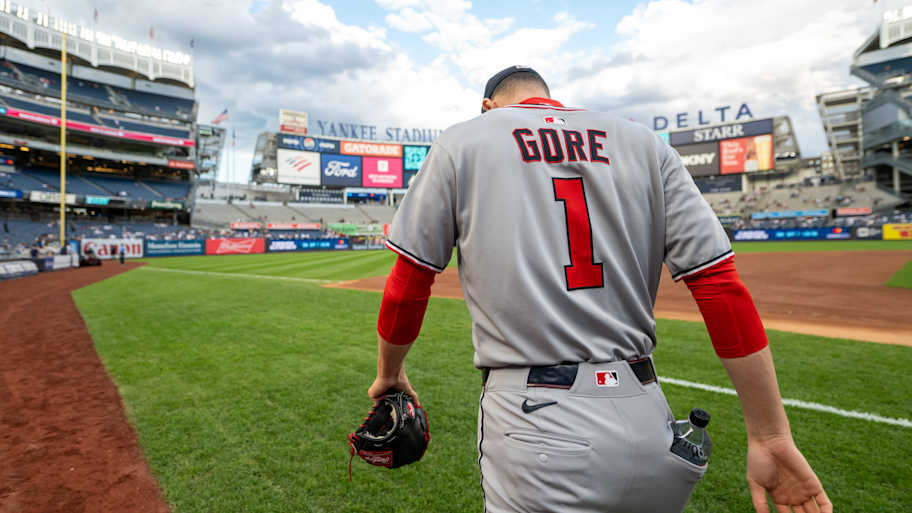
There are a number of intriguing arms available—and we've talked about all of them quite a bit already. Edward Cabrera of the Miami Marlins is a name to keep an eye on, but in this exercise, I have Hoyer pushing his chips in on left-hander MacKenzie Gore of the Washington Nationals.
MacKenzie Gore is the ace this Cubs team so desperately needs. Cubs fans are going to see this package, headlined by Moises Ballesteros, and lose their minds. I get it. Putting together hypothetical trades is always a ride, and there are just so many unknown factors at play. Before we dig into it, let me explain my rationale.
You're not getting Gore without trading Ballesteros or Owen Caissie, plain and simple. I think Ian Happ and Seiya Suzuki both being one year from free agency gives Caissie more long-term value to the Cubs, specifically, and the defensive fit for Ballesteros remains unclear heading into 2026. Right now, he profiles as more of a full-time DH than anything else.
The Trade Package
The Orioles' acquisition of Shane Baz from Tampa Bay really skews things when thinking about putting together a package for a pitcher like Gore. I think Ballesteros (a top-50 prospect) and Kevin Alcantara (a top-100 prospect less than a year ago) as the center pieces is about as good as it gets for the Nationals—and the upside of Brown is just the cherry on top to get things across the finish line.
Gore has two years of team control remaining, giving Chicago at least some insurance past 2026. Remember, Jameson Taillon, Shota Imanaga, Colin Rea, and Matthew Boyd have just one year left on their respective deals, which could leave the Cubs with just Cade Horton and Justin Steele in the mix this time next year.
Cost-Effective and Strategic Move
Projected to earn just $6.5 million in his second trip through arbitration, Gore is cost-controlled and allows Hoyer to maintain some payroll flexibility for the rest of the offseason. It would be a painful move—but it's supposed to hurt when you make these types of deals. Slotting the hard-throwing southpaw into the Cubs' rotation immediately raises the bar in Wrigleyville and it's a move that's long overdue for this conservative front office.
Key Considerations
- Trade Value: The Cubs need to evaluate the trade value of their current prospects and how they can be leveraged effectively.
- Long-Term Impact: Acquiring a player like Gore could provide immediate impact and long-term stability for the rotation.
- Financial Strategy: Managing the payroll while making strategic moves is crucial for the Cubs' success in the coming seasons.
- Player Development: Ensuring that the trade does not compromise the development of young talent within the organization.
Conclusion
Jed Hoyer needs to make this blockbuster trade sooner rather than later. The opportunity to acquire a top-tier left-handed starter like MacKenzie Gore is a rare one, and the Cubs must act decisively to strengthen their rotation. With the right trade package, the Cubs can position themselves for a competitive season and set the stage for future success.
Posting Komentar