Holiday surge in Wisconsin flu activity mirrors national trend
Rising Flu Activity in Wisconsin
Flu activity across Wisconsin saw a significant spike during the holiday season, with nearly 1 in 10 individuals visiting an emergency room the week of December 21-27 receiving an influenza diagnosis. This marked almost double the rate from the previous week, according to recent data.
The Wisconsin Department of Health Services reported that flu activity in the state was classified as "very high" during that week, a notable increase from the "moderate" classification the week before. While such spikes are common during the holidays due to increased travel and gatherings, they also serve as a warning sign for what could be a challenging flu season ahead.
A new variant of the influenza A virus, known as H3N2 subclade K, is believed to be driving this surge in cases. The impact of this variant is still being closely monitored by health experts.
Surge in Hospitalizations
Over 620 individuals were hospitalized across Wisconsin with the flu during the week ending on December 27, more than double the number from the previous week. The majority of those hospitalized were residents aged 65 and older, highlighting the vulnerability of the elderly population to severe flu complications.
Wisconsin is not experiencing this surge in isolation. Across the United States, flu cases are rising rapidly. According to the U.S. Centers for Disease Control and Prevention (CDC), at least 7.5 million illnesses, 81,000 hospitalizations, and 3,100 deaths have been attributed to the flu so far this season as of December 20. The number of illnesses recorded has grown by 63% compared to the previous week.
Despite these alarming numbers, the 2025-2026 U.S. flu season is still classified as low severity by the CDC. However, health experts caution that it is too early to determine the full impact of the new H3N2 subclade K variant. The CDC predicts that influenza activity will continue for several weeks, emphasizing the need for continued vigilance.
Monitoring Flu Trends
In the Milwaukee area, sharply increasing levels of influenza A in wastewater have been observed. This method of monitoring provides health officials with valuable insights into the spread of respiratory diseases within the community.
Last year's flu season in Wisconsin was particularly intense, peaking later in the season with over 860 people hospitalized with the flu during the week of February 8, 2025. This serves as a reminder of the potential severity of flu seasons and the importance of proactive measures.
Preventive Measures Against the Flu
State health officials emphasize that the best way to avoid the flu is through simple yet effective preventive measures. These include frequent handwashing, staying home when sick, and getting vaccinated.
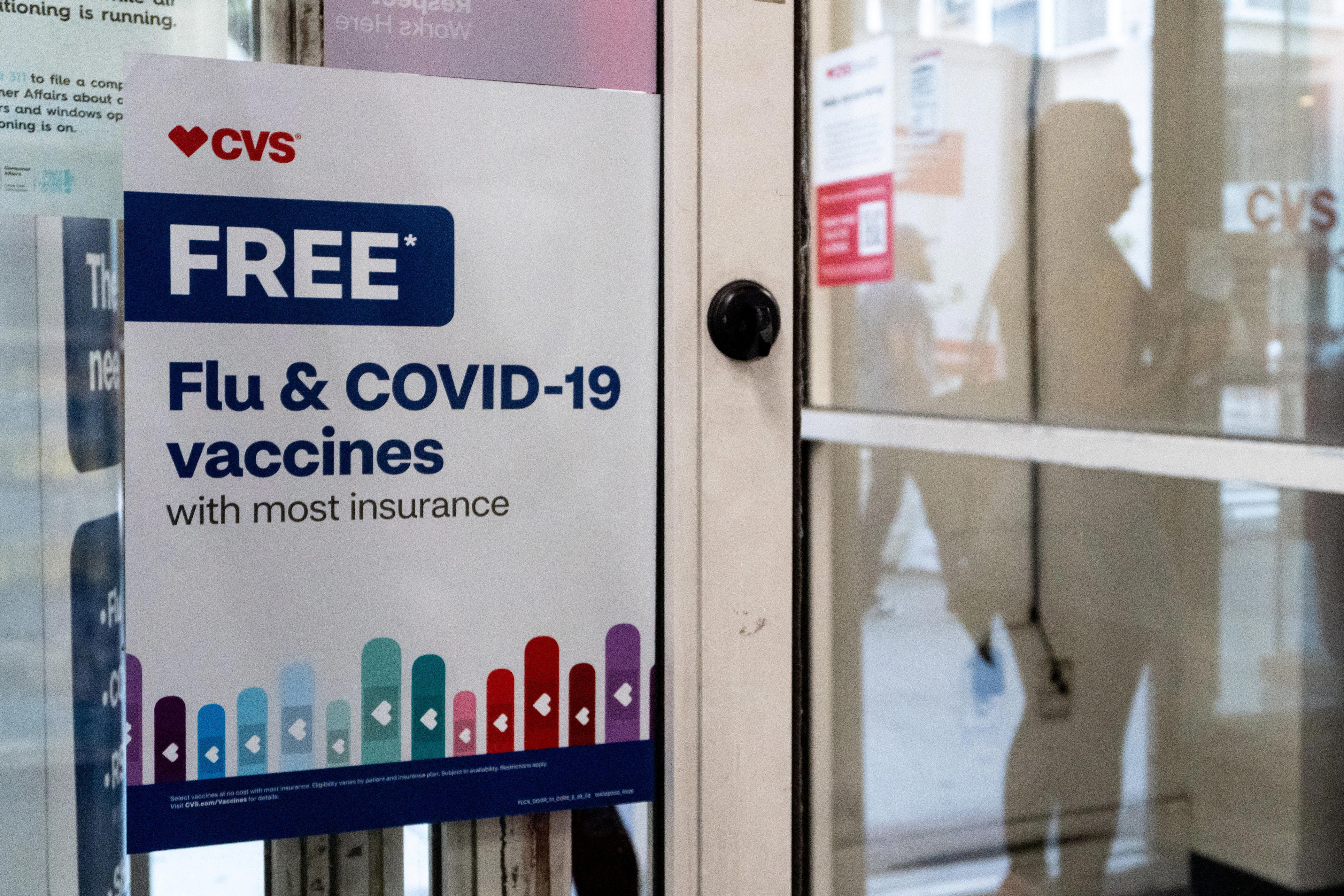
The flu vaccine is available to anyone 6 months of age and older. Residents can obtain the vaccine through their doctor, local health department, pharmacy, or other community clinics. For individuals without health insurance, programs such as the Vaccines for Children program and the Vaccines for Adults program offer accessible options for vaccination.
Conclusion
As flu activity continues to rise in Wisconsin and across the U.S., it is crucial for individuals to remain informed and take necessary precautions. With the emergence of new variants and the potential for a more severe flu season, proactive steps such as vaccination and good hygiene practices are essential in protecting public health. Stay updated on the latest developments and follow the guidance of local health authorities to help mitigate the spread of the flu.
Posting Komentar