First 'Wolf' Supermoon of 2026 Nears Arrival
What is a Supermoon?
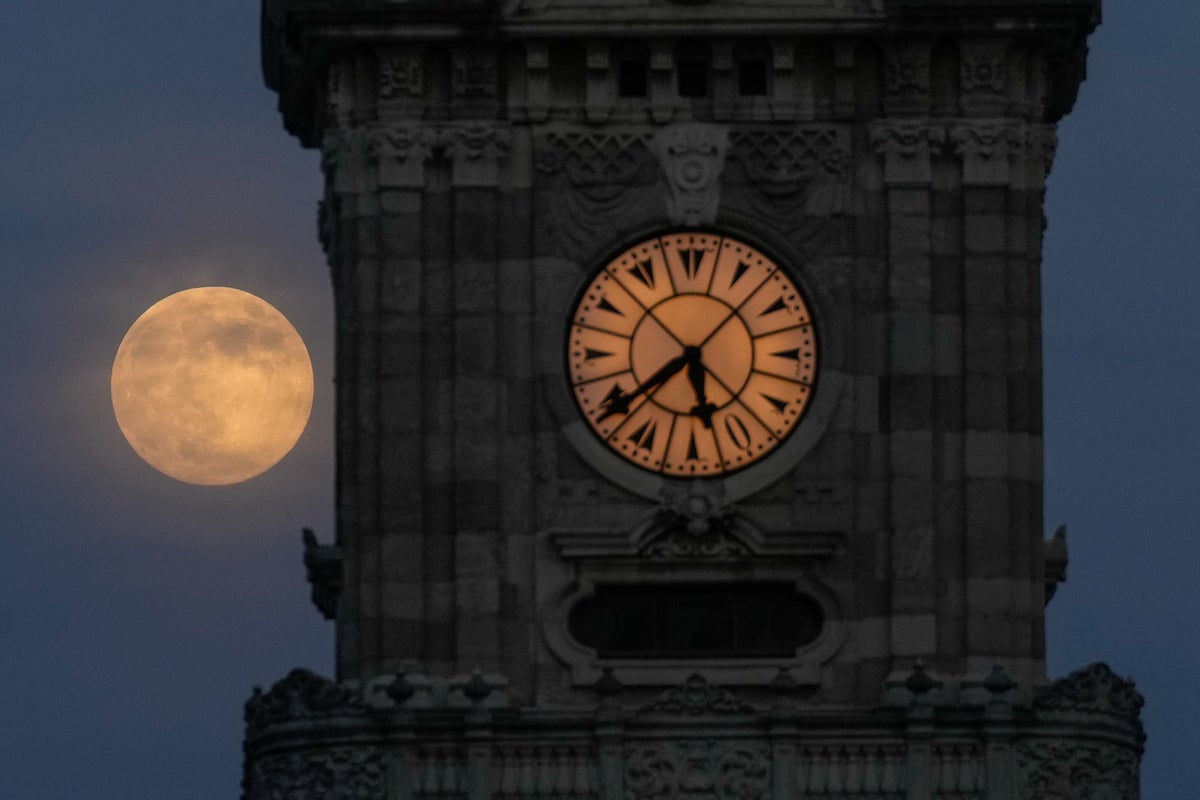
The first Supermoon of the year is set to make an impressive appearance. This month's full moon will rise on Saturday and will seem unusually large in the sky. It marks the end of a series of Supermoons that started in October.
A Supermoon occurs when the Moon is at its closest point to Earth, making it appear 14 percent larger and 30 percent brighter than usual. The official peak of the January Supermoon will occur around 10 a.m. on Saturday morning. However, it will remain visible as a bright and prominent orb throughout the night before.
Traditional Names for the January Moon
The January full moon is often called the Wolf Moon, Cold Moon, or Hard Moon. These names are considered traditional, but many have only become widely recognized in recent years.
How to Observe the Supermoon
Unlike other celestial events, there's no special equipment needed to view a Supermoon. In fact, it might be better to watch from a busy location. Objects on the horizon can help emphasize the Moon’s size and dramatic effect.
Position and Visibility
The January Supermoon will be higher in the sky compared to other moons of the year. This should make it easier to see and for a longer period. However, it may not look as striking because higher moons don't contrast as much with objects on Earth.
Additional Celestial Event
The January Supermoon will coincide with the Quadrantid meteor shower. This could make it harder to see the meteor shower, as the brightness of the full moon may obscure the meteors as they streak across the sky.
About The Independent
The Independent is known for its free-thinking approach to news, offering global news, commentary, and analysis for readers who value independent thinking. The publication has built a large, international audience of individuals who appreciate its trusted voice and commitment to positive change. The mission of The Independent, to drive meaningful change, has never been more important than it is today.
Posting Komentar