First Time in 100 Years: Shellfish Harvested from Boston Harbor
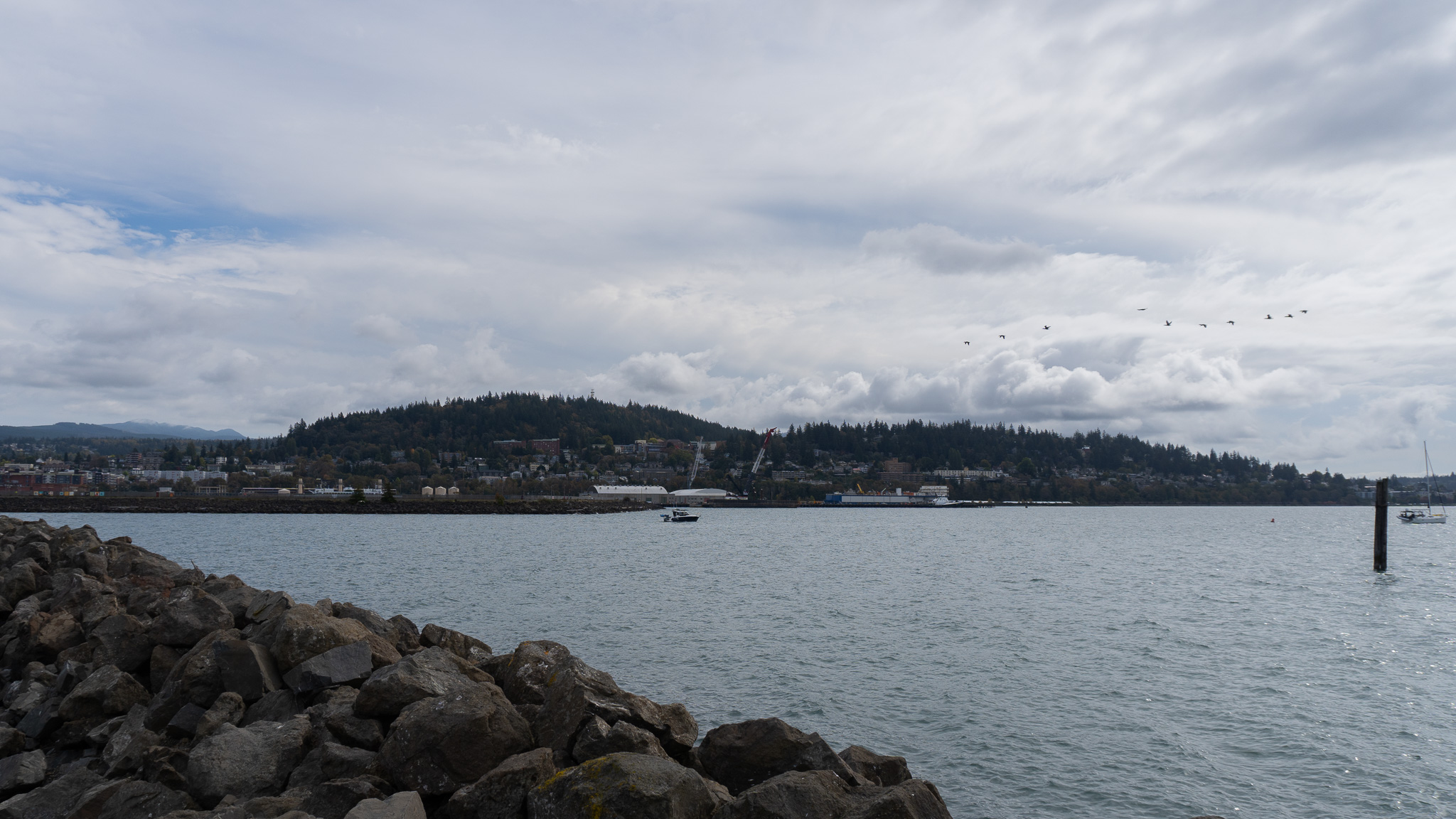
A Major Milestone for Boston Harbor
For the first time in over a century, shellfish harvested from parts of Boston Harbor are now considered safe for consumption. This development marks a significant achievement in the long-term cleanup efforts aimed at restoring the health of the harbor. State officials have announced that shellfish caught in certain outer sections of the Boston Harbor can now be eaten, reopening areas that had been closed since the early 20th century due to pollution and public health concerns.
Jeremy Sewall, owner of Row 34 seafood restaurants, highlighted the historical significance of this change. "Boston Harbor historically is a huge environment for wild oysters, and clams and shellfish to grow," he said. "As the population of Boston grew, and we polluted the water and ate all the oysters, those things went away."
The Road to Recovery
The newly approved shellfishing areas include parts of Winthrop, Hingham, and Hull. The Massachusetts Division of Marine Fisheries has identified these regions as some of the most productive shellfish habitats in the state. However, the journey to this point has been long and complex.
The closures of shellfishing areas in Boston Harbor date back to 1925, when a typhoid outbreak led officials to ban the practice. Following this, decades of sewage discharge and industrial pollution further degraded the water quality, making much of the harbor unsafe for harvesting.
Sewall described the recent developments as a major win for the extensive cleanup efforts. "The cliché is that a rising tide lifts all boats," he said. "This is a great thing for the environment, it's a great thing for fisheries. It's a great opportunity for those communities. It's a wonderful story about how we are taking care of our environment, taking care of the water and the people who make a living on it."
Steps Toward Full Reopening
While the Massachusetts Division of Marine Fisheries has approved the shellfish for consumption, there are still steps to be taken before full harvesting can resume. The towns of Winthrop, Hingham, and Hull must vote on their own local regulations before the process can fully restart.
Sewall expressed optimism about the future. "Slowly, people will become used to eating seafood from these great parts of the Boston Harbor," he said. This shift not only benefits the environment but also supports local economies and communities that rely on the harbor’s resources.
The Broader Impact
The reopening of shellfishing areas in Boston Harbor reflects a broader commitment to environmental restoration and sustainable practices. It serves as a testament to the power of collective action and long-term planning in addressing ecological challenges. As the community adapts to this change, it is expected that the harbor will continue to recover, offering new opportunities for both nature and human activity.
The success of this initiative could serve as a model for other regions facing similar environmental issues. By focusing on clean water, responsible fishing, and community involvement, Boston Harbor is setting a positive example for the future of marine ecosystems across the country.
Looking Ahead
As the process moves forward, continued monitoring and regulation will be essential to ensure that the improvements are maintained. Local governments, environmental organizations, and the fishing community will play key roles in this ongoing effort. With each step taken, the vision of a thriving, healthy Boston Harbor becomes more tangible.
The story of Boston Harbor is one of resilience and renewal. From its history of pollution to its current path toward recovery, it demonstrates the potential for positive change when communities come together to protect their natural resources. The reopening of shellfishing areas is just one chapter in this evolving narrative, but it is a promising one.
Posting Komentar