Expert warns: No tax on tips, overtime before 2026 filings
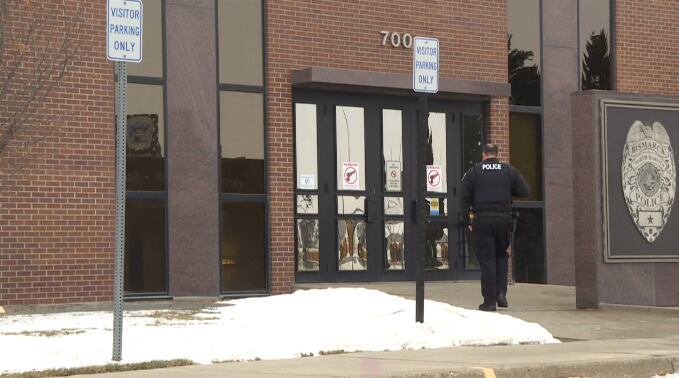
BISMARCK, N.D. – As individuals prepare to file their taxes in early 2026, they may be wondering how the Big Beautiful Bill’s provisions on tax exemptions for tips and overtime could impact them. For law enforcement officers across the state, these changes could mean a significant difference in their take-home pay.
Police officers in North Dakota are constantly on the move, working in all types of conditions to ensure the safety of their communities. That’s why the President’s No Tax on Overtime policy, part of the Big Beautiful Bill, has been seen as a positive development for many in the field.
Michael Becker, a patrol officer with the Bismarck Police Department, shared his thoughts on the new policy.
“I think it’s a great incentive, especially for patrol officers like myself. There’s a lot of opportunity for overtime within law enforcement, especially for special events or particular functions that need to be met,” said Becker.
The new legislation introduces two temporary federal tax breaks aimed at increasing workers’ disposable income. The first is the “no tax on overtime” provision, which allows employees to exclude a portion of their additional earnings from overtime hours from federal taxation. The second is the “no tax on tips” rule, which enables service workers to exclude a significant amount of their tip income from federal taxes.
Joey Vrooman, a Certified Public Accountant and owner of Padgett in Bismarck, highlighted the potential benefits of the overtime tax break. He believes it could encourage more people to join the workforce in the state.
“I do think it’s a great law that came to impact people that may need a couple extra dollars for groceries increasing,” said Vrooman.
It’s important to note that these policies don’t alter how tips or overtime are paid. Instead, they change how these incomes are taxed at the federal level. Employees are still required to report all tip and overtime income.
Eligibility limits and income caps apply, so workers should consult with a tax professional or the IRS to understand how these changes affect them. The tax cuts will become apparent when individuals file their taxes in 2026.
“It’s going to be more so at tax time, when they file the return in 2026, they may see a bigger paycheck every week because their W4 should address their withholdings,” explained Vrooman.
For police officers and thousands of other workers across North Dakota, these tax breaks can make a meaningful difference. However, understanding the rules and requirements is essential to fully benefit from these changes.
Posting Komentar