Domestic Violence Groups Struggle With Funding Amid Rising Cases
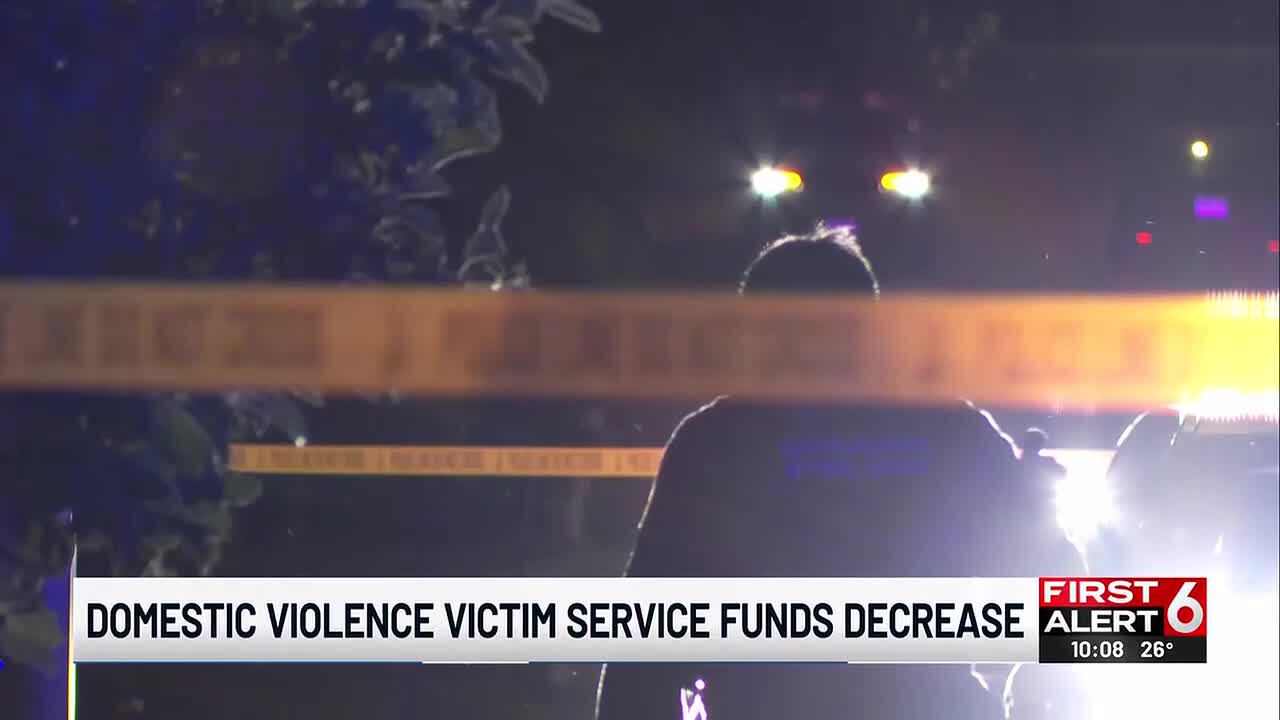
OMAHA, Neb. - There are troubling developments for organizations in Nebraska working to support victims of domestic violence. A recent article highlights a concerning issue: the funding intended to assist survivors may not be available as expected.
Mike McKnight recently spoke with Suzanne Smith, the executive director of The Bridge, a nonprofit organization in Nebraska dedicated to preventing domestic violence and sexual assault. Smith shared insights about the challenges faced by her organization.
According to Smith, 2025 saw a significant increase in domestic violence cases. She explained that government funding and grants for victim services have declined, which has had a direct impact on the resources available to help survivors.
"So, the less money available for us to provide preventative services. To provide them safe shelter until they can get into a safe home. To provide them with bus tickets to get them out of the violent area to a safer location. We start losing those abilities to get them to a safe place, and people stay and are exposed to more violence," said Smith.
An annual report from August, released by the Domestic Abuse Death Review team, revealed that there were already more domestic violence-related deaths in the first half of 2025 than in all of 2024. This alarming trend underscores the urgent need for increased support and resources for organizations like The Bridge.
The decline in funding has made it increasingly difficult for these organizations to provide essential services. Without adequate financial backing, programs that offer shelter, transportation, and other critical support are at risk of being cut or reduced. This leaves many survivors without the necessary tools to escape dangerous situations and rebuild their lives.
The Bridge and similar organizations rely heavily on grants and government funding to carry out their mission. However, with budget cuts and limited resources, they are struggling to meet the growing demand for their services. As domestic violence cases continue to rise, the lack of funding could have devastating consequences for survivors who depend on these programs for safety and support.
Some key challenges include:
- Reduced access to safe shelter: With fewer funds, organizations may not be able to provide temporary housing for survivors, forcing them to remain in unsafe environments.
- Limited transportation assistance: Bus tickets and other forms of transportation are often necessary for survivors to leave abusive situations. Without this support, many may not be able to escape.
- Decreased preventative services: Funding cuts mean fewer resources for education, outreach, and community programs aimed at preventing domestic violence before it occurs.
These issues highlight the importance of addressing the root causes of domestic violence and ensuring that survivors have access to the support they need. Advocates argue that increased funding and policy changes are necessary to protect vulnerable individuals and prevent further tragedies.
As the situation continues to evolve, the need for sustained investment in domestic violence prevention and response efforts has never been more critical. Organizations like The Bridge play a vital role in supporting survivors, but without adequate resources, their ability to make a difference is severely limited.
Posting Komentar