Aspirin, CT Scans, and Sleep: 5 Health Questions After Trump's New Disclosure
The President's Health: A Closer Look
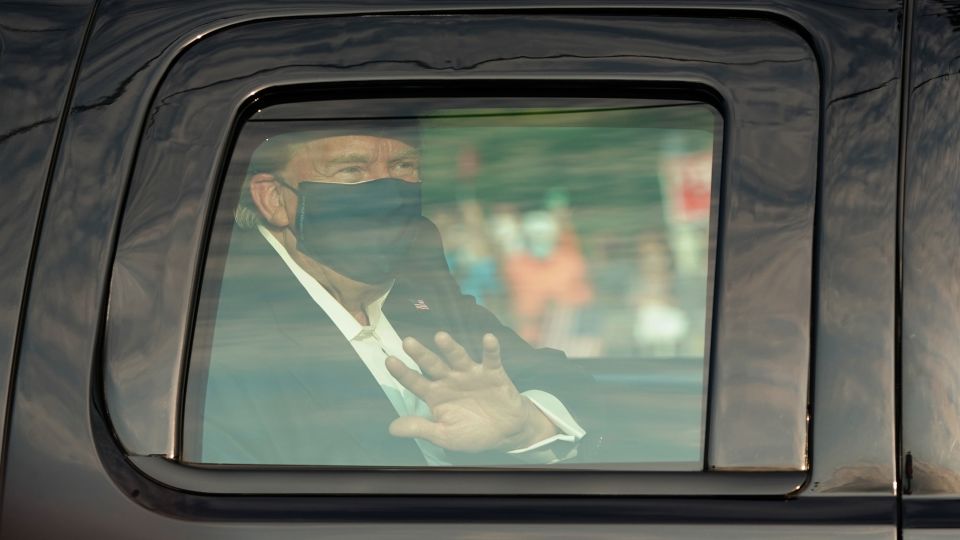
President Donald Trump has been making efforts to reduce public discussions about his health. As the oldest individual to assume the presidency, he has faced persistent questions regarding recent medical appointments, visible bruises on his hands, and whether he has fallen asleep during public events.
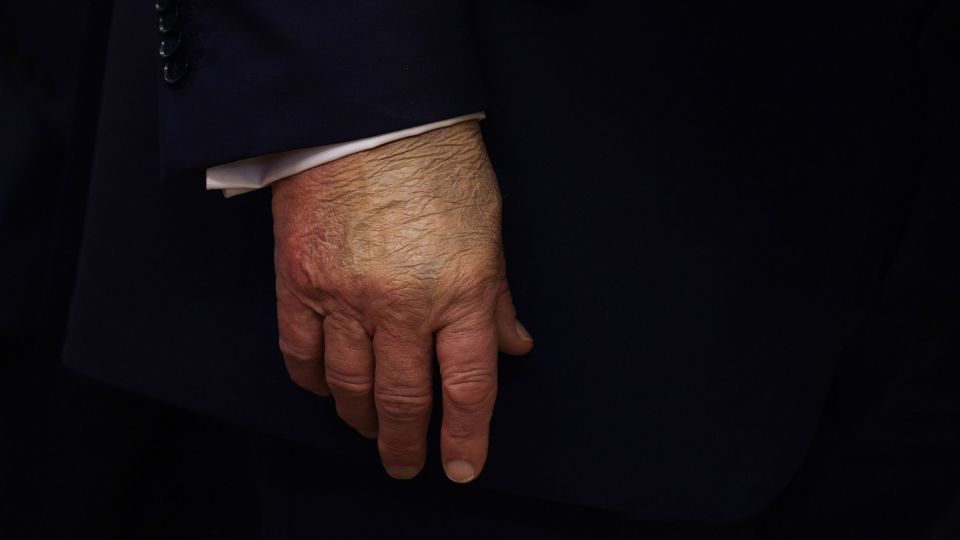
In an impromptu interview with the Wall Street Journal, Trump addressed these concerns, attributing the bruises to a high daily dose of aspirin—more than what his doctors recommend—and asserting that he maintains high energy levels. He also took to Truth Social to claim he had passed his “third straight” cognitive test, aiming to counter previous scrutiny.
Despite these statements, the questions surrounding his health have not disappeared. Here are five key issues raised by his most recent health disclosures.
Who is Trump’s Doctor, Sean Barbabella?
Dr. Sean Barbabella, the physician overseeing Trump’s care, was appointed in March and specializes in combat trauma and emergency care. He has defended the president’s recent medical imaging and semiannual physical as routine procedures. Barbabella is the latest in a series of personal physicians who have praised Trump’s health and cognition.
Prior to Barbabella, Dr. Ronny Jackson served as Trump’s personal physician during his first term. Jackson, who had previously worked for President Barack Obama, was later nominated to lead the Veterans Affairs Department but withdrew due to allegations about his conduct. He now serves in the House of Representatives.
Following Jackson, Dr. Sean Conley, a Navy emergency physician, stated that Trump was in excellent health and expected to remain so throughout his presidency. Conley also prescribed hydroxychloroquine as a preventive measure during the pandemic and oversaw Trump’s treatment when he contracted Covid-19.
Before Conley, Dr. Harold Bornstein, Trump’s longtime personal physician in New York City, claimed Trump would be the healthiest president ever elected. However, Bornstein later disputed claims that Trump officials raided his office for medical records, an account denied by administration officials.
What Are the Risks of Taking High-Dose Aspirin Daily?
Trump has admitted to taking a higher dose of aspirin than recommended, citing the need for "thin blood" to protect his heart. This dosage, 325 milligrams daily, is significantly higher than the standard 81 milligrams used for cardiovascular prevention.
Medical experts caution against long-term use of high-dose aspirin due to increased risks of internal bleeding. Dr. Fahmi Farah noted that full-dose aspirin is typically reserved for patients with serious conditions such as heart disease or atrial fibrillation.
The White House has mentioned that Trump has chronic venous insufficiency, a condition that can cause swelling and discomfort in the legs. While aspirin may be used to treat this condition, cardiologists often question the safety of a long-term high-dose regimen.
What Is the ‘Advanced Imaging’ Trump Received, and Did It Reveal Anything New?
During his interview with the Wall Street Journal, Trump described the "advanced imaging" he underwent in October as an MRI, which is used to examine soft tissues. However, he later clarified that it was a CT scan, which is used to assess heart health and rule out blockages.
Dr. Vivek Cherian explained that while CT scans do not definitively prove heart safety, they can help refine risk assessments and guide further care. Trump expressed regret over disclosing the scan, suggesting it provided opponents with ammunition.
What Is the Cognitive Test Trump Took, and Why Does It Matter?
Trump recently claimed to have scored 100% on his third cognitive test, reinforcing his stance that all presidential candidates should undergo similar assessments. However, the specific test he referred to remains unclear. In 2018, Trump took the Montreal Cognitive Assessment (MoCA), which screens for mild cognitive impairment and early dementia. He reportedly scored 30 out of 30 in April 2025.
While a high score on the MoCA indicates no obvious cognitive impairment, it does not measure intelligence or decision-making abilities. Experts like Dr. Cherian emphasize that the test is not a comprehensive assessment of overall cognitive fitness.
What About Trump’s Sleep Patterns and Diet?
Trump has admitted to getting little sleep and finding exercise uninteresting. His diet has favored fast food, including McDonald’s burgers and Filet-O-Fish. Dr. Fahmi Farah found these details concerning, noting that sleep deprivation can increase risks of heart attack, arrhythmia, and stroke.
Trump attributes his health to good genetics, but experts stress that lifestyle factors such as diet and exercise play a significant role. Dr. Andrew Freeman highlighted the importance of environmental influences on health, particularly as people age.
Posting Komentar