The Divorce Debate: Should the People Decide?
The Legal and Social Impasse of Divorce in the Philippines
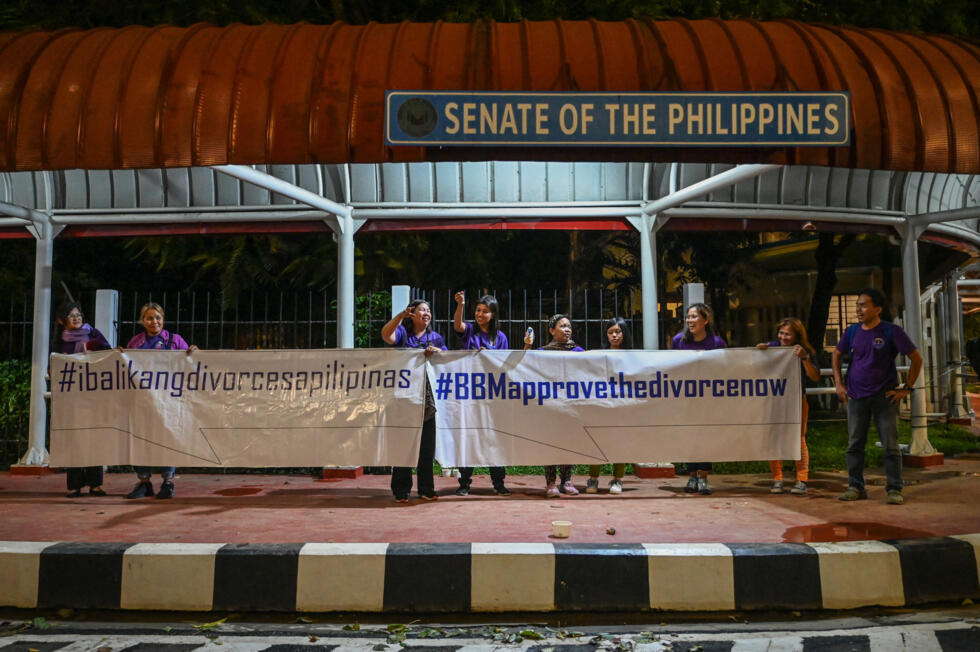
The Philippines stands as a unique case in global legal systems, being the only country outside Vatican City that does not have institutionalised divorce. This situation is deeply rooted in the nation's religious and cultural fabric, where the Roman Catholic Church exerts significant influence over public policy. With 79% of the population identifying as Roman Catholic, the church plays a pivotal role in shaping societal norms and legislative decisions.
Religious Influence on Public Policy
The Roman Catholic Church in the Philippines has long been a major obstacle to legalising divorce. Its influence extends beyond spiritual guidance, affecting political decisions and public discourse. Megachurches, in particular, engage with political elites through electoral endorsements and the nomination of church leaders for public office. This entanglement ensures that religious agendas often translate into national policies, making it difficult for individuals to seek legal recourse in cases of abuse or unhappy marriages.
Legislative Efforts and Political Challenges
Despite these challenges, there have been efforts to introduce divorce legislation. House Bill 9349, known as the "Absolute Divorce Bill," was initially filed by the late opposition congressman Edcel Lagman Jr. Although the bill passed in the House of Representatives, it failed to gain approval in the Senate. President Ferdinand “Bongbong” Marcos Jr. has expressed openness to legalising divorce, yet it remains absent from his current legislative agenda.
Pro-Divorce Advocacy and Constitutional Arguments

A pro-divorce coalition, including women’s rights advocates and civil society organisations, argues that legalisation of divorce is a constitutional right. They highlight that divorce was previously allowed in the country and that its implementation aligns with the promotion of general welfare, particularly for women trapped in unhappy marriages. These groups also emphasize the secular nature of the Philippine state, advocating for the separation of this issue from religious and moral discourses.
Anti-Divorce Opposition and Concerns
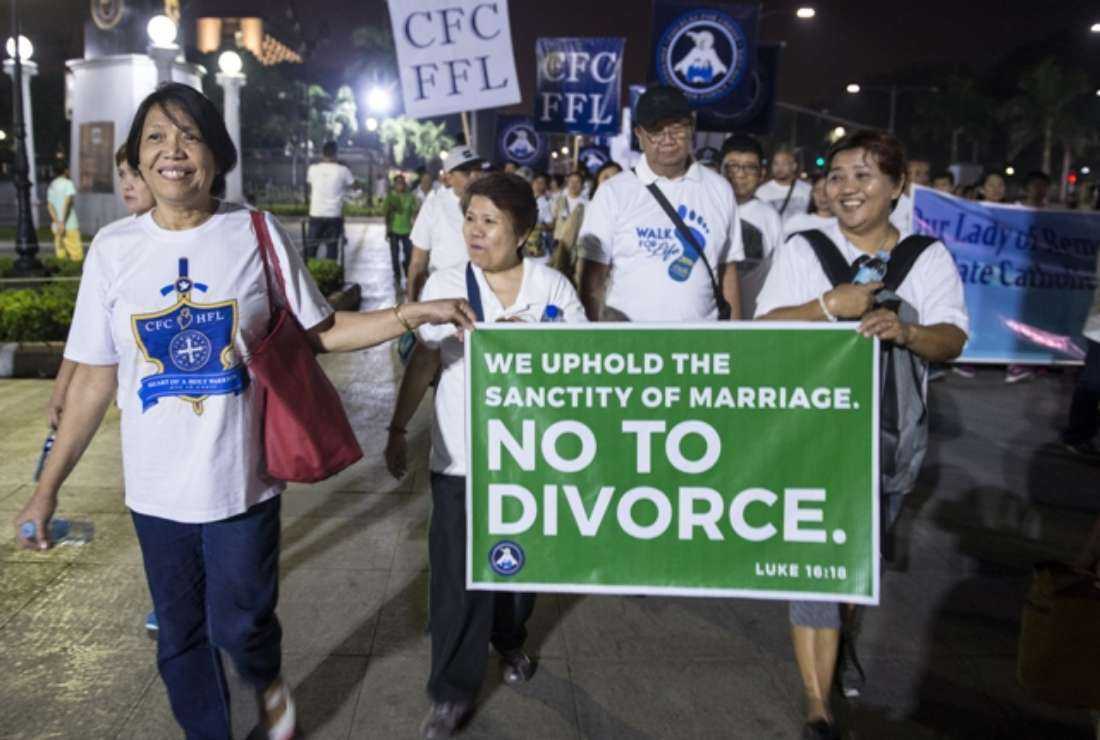
On the other side, anti-divorce coalitions composed of religious groups argue that legalising divorce violates the Constitution's duty to protect the family. They express concerns that such a move could worsen conditions for women and children and lead to emotional, psychological, and social challenges. These groups maintain that the sanctity of marriage must be preserved.
Public Opinion and Political Implications

Public opinion on the issue remains divided. A 2024 poll revealed that 57% of respondents oppose the legalisation of divorce, a slight increase from previous years. Additionally, around 55% of those surveyed stated they would not vote for a politician who supports legalising divorce. This highlights the politicised nature of the issue, where politicians’ careers may hinge on their stance.
Referendum as a Potential Solution
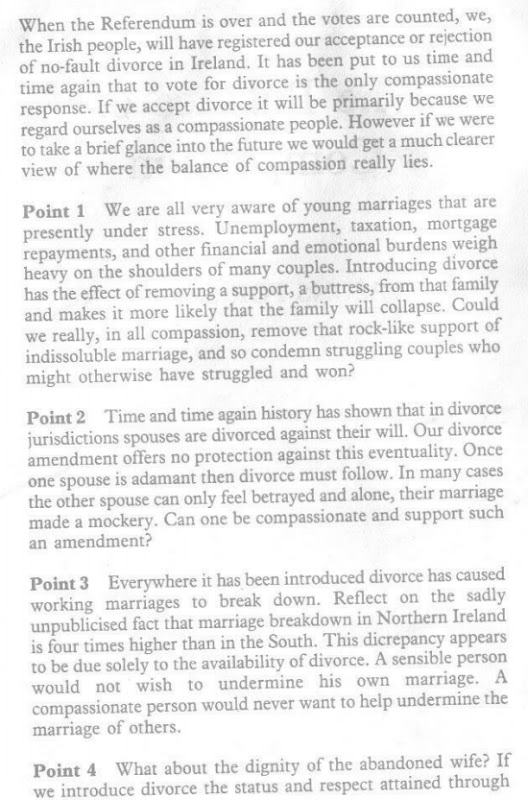
One proposed solution is to subject the divorce issue to a public referendum. This approach would allow the Filipino people to directly decide on the matter, bypassing political elites and granting decision-making power to those affected by the policy. Countries like Ireland and Malta have used referendums to enact divorce legislation, demonstrating the potential of this method.
Democratic Decision-Making and Public Participation

Political scientist E.E. Schattschneider once noted that the crowd plays a decisive role in policy outcomes. By involving the public in the decision-making process, the outcome could be more acceptable to most citizens. A referendum would ensure that the voices of the people are heard, moving beyond the influence of interest groups and religious institutions.
Conclusion: The Path Forward
The divorce issue in the Philippines remains a complex tug-of-war involving the state, churches, and civil society. As the debate continues, it is essential that the sovereign people have the final say on this critical social policy. A public referendum offers a democratic and inclusive approach, ensuring that the future of divorce in the country reflects the will of the Filipino people.
Posting Komentar