Prosecutors Challenge Acquittals in Party Fund Case
The Prosecution Files an Appeal Over Acquittal of Democratic Party Lawmakers
The Seoul High Prosecutors' Office has taken a significant step by filing an appeal against the acquittal of current and former lawmakers from the Democratic Party of Korea. This decision comes in response to the appellate court’s ruling in a case involving allegations of receiving "envelope money" during the 2020 Democratic Party National Convention.
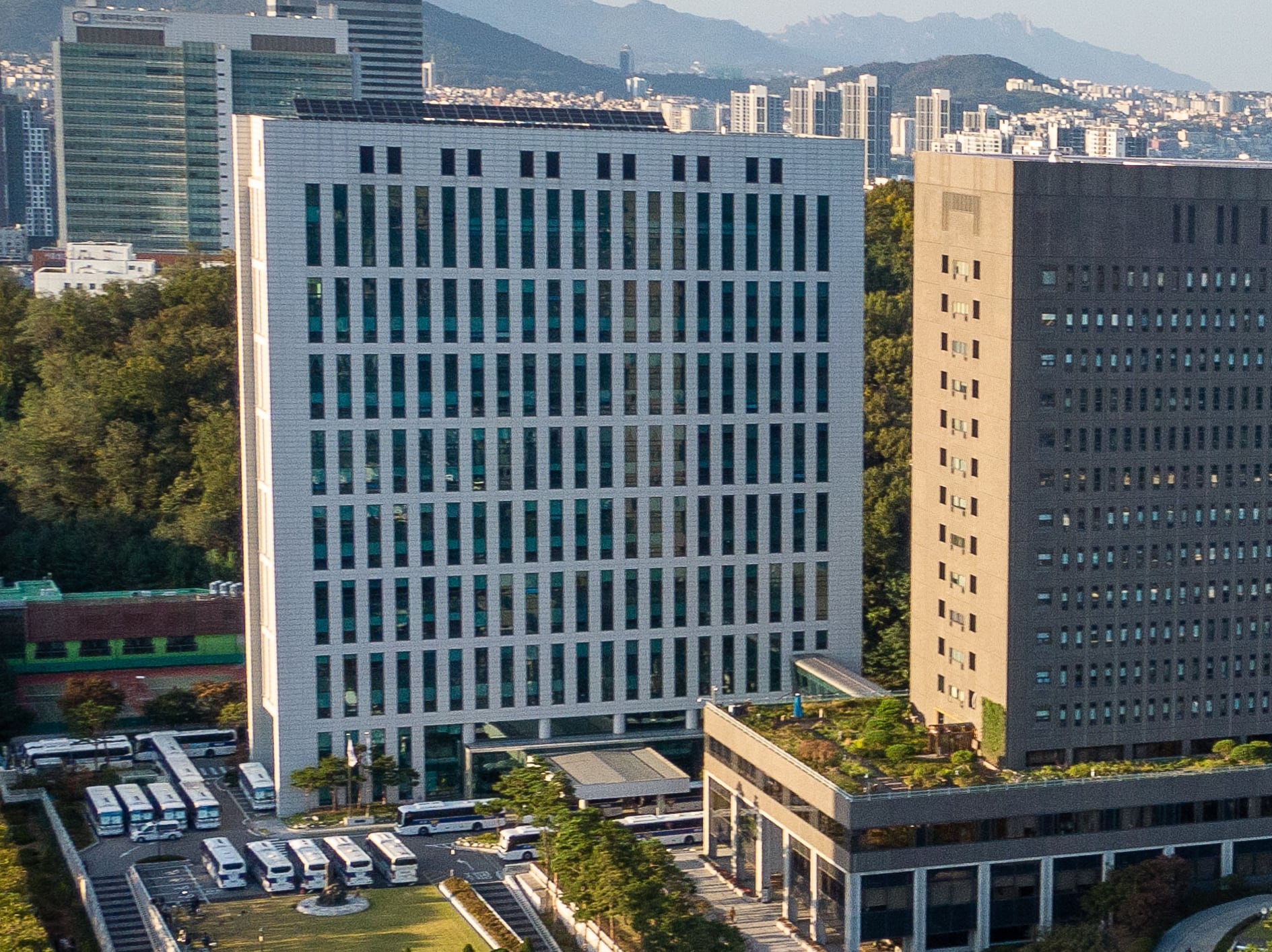
The appellate court ruled that a key piece of evidence—the recording file of Lee Jeong Geun, the former Secretary-General of the Democratic Party—was obtained illegally. Based on this, the court found insufficient grounds to convict the defendants, leading to their acquittal on the 18th. The prosecution, however, is challenging this decision, arguing that the Supreme Court's guidelines for collecting digital evidence should be re-examined.
Background of the Case
In 2022, during an investigation into personal corruption allegations against Lee Jeong Geun, prosecutors discovered a recording file containing conversations related to the envelope money within three mobile phones voluntarily submitted by Lee. These phones were part of an investigation into his alleged involvement in receiving valuables worth over 1 billion Korean won through various acts of mediation and requests.
Prosecutors claimed that they had received confirmation from Lee that the recording files in his mobile phones could be used in investigations of other cases. They argued that the evidence was legally obtained and subsequently used in the trials of former lawmakers Yoon Gwan Seok, Lim Jong Seong, and Representative Heo Jong Sik, who are accused of receiving envelope money.
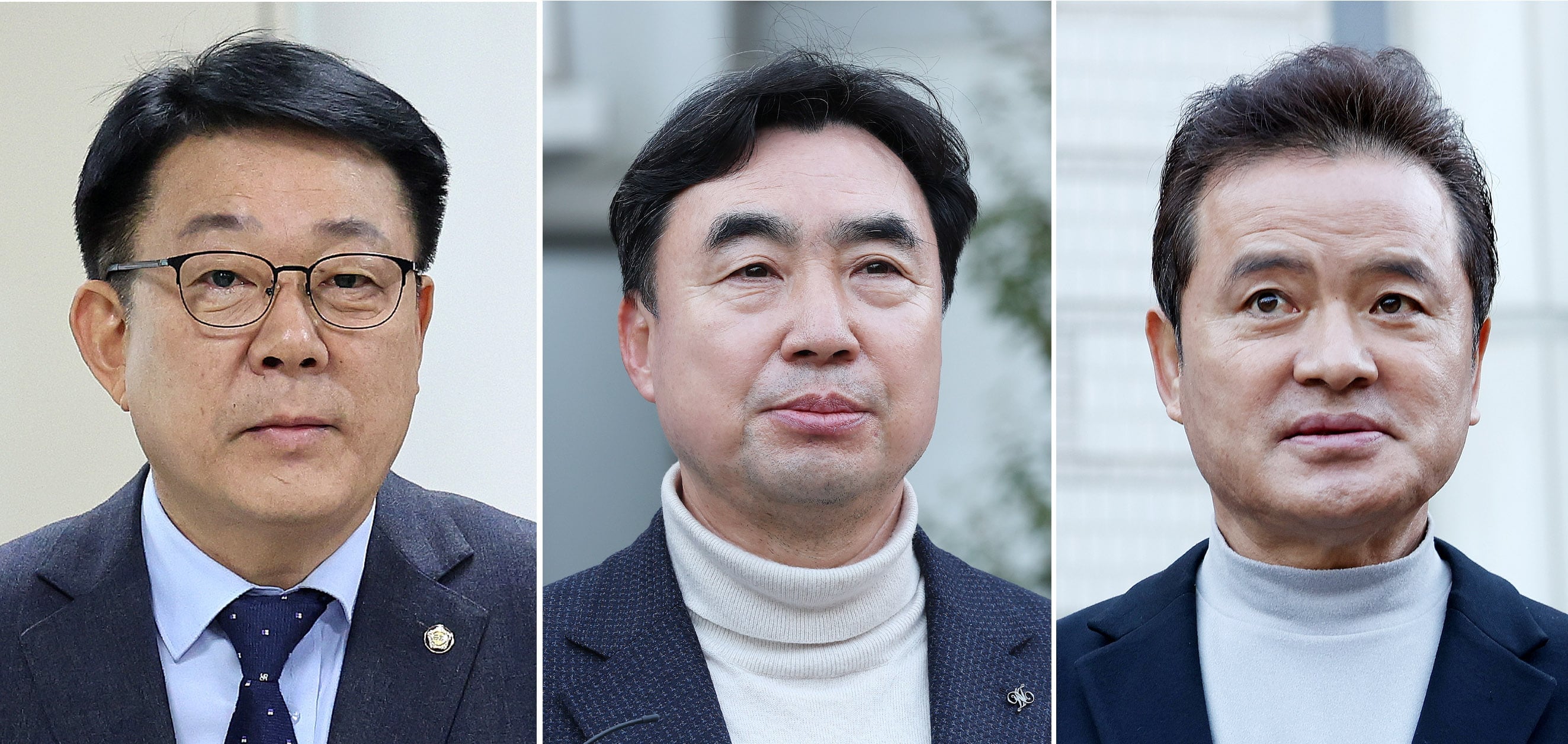
The Appellate Court’s Ruling
Despite the prosecution's claims, the appellate court did not accept their argument. The court pointed out that Lee testified during his appearance as a witness in the first trial that he was unaware that the three mobile phones contained any information related to the receipt of valuables in this case. Additionally, the seizure records related to the voluntary submission of the three mobile phones only mentioned the allegations of mediation and bribery against Lee.
Based on these findings, the court determined that the evidence was not legally seized for the investigation into the envelope money case. This decision has sparked a legal debate about the procedures used in collecting and presenting digital evidence in such high-profile cases.
Conflicting Judgments and Ongoing Legal Battles
The prosecution’s appeal appears to be based on the Supreme Court’s confirmation of former lawmaker Yoon Gwan Seok’s involvement in creating the envelope money. In October of last year, the Supreme Court finalized a two-year prison sentence for Yoon. However, former lawmaker Lee Seong-man was acquitted in the appellate trial in September regarding the allegations of receiving envelope money, and former Representative Song Young-gil, who is at the center of this case, was also acquitted in the first trial of charges related to distributing envelope money.
This discrepancy in judicial outcomes highlights the complexity of the case and raises questions about the consistency of legal interpretations. The ongoing appeal by the prosecution suggests that the legal battle is far from over, with potential implications for future cases involving similar evidence.
Posting Komentar