Ministry Investigates Dawonsys' Contract Violations Amid President's Fraud Accusations
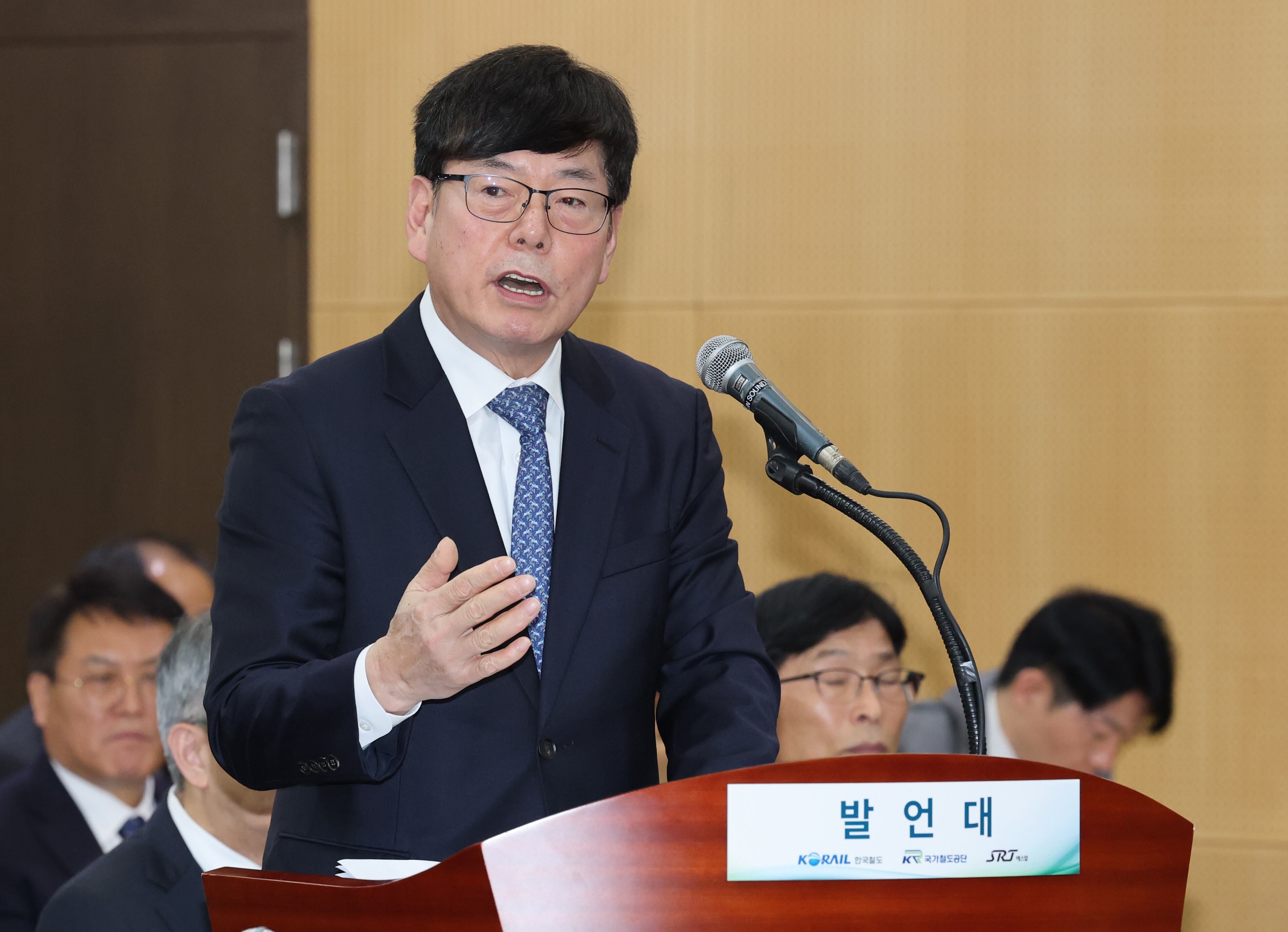
Government Investigates Domestic Railway Vehicle Manufacturer
The Ministry of Land, Infrastructure and Transport has initiated a police investigation into Dawonsys, a domestic railway vehicle manufacturer. This action follows concerns raised by President Lee Jae-myung, who described the company as "seeming to have been deceived."
On the 26th, the ministry released a statement detailing its findings regarding delays in the delivery of ITX-Maum railway vehicles ordered by KORAIL. The ministry confirmed that Dawonsys had violated its contracts with KORAIL. These violations included the misuse of advance payments for purposes unrelated to the contract, failure to expand production lines, and shortages of necessary materials and parts.
KORAIL had signed three separate contracts with Dawonsys for the purchase of 474 ITX-Maum railway vehicles, valued at approximately 914.9 billion Korean won. For the first and second contracts, signed between 2018 and 2019, the delivery deadline of December this year has passed by two years. Despite this, 218 out of 358 vehicles remain undelivered. Additionally, the 116 vehicles from the third contract, signed in April of last year, have not even completed preliminary design work after one year and six months, raising concerns about further delays.
Since November, the ministry has been conducting an audit of the entire railway vehicle purchase contract between KORAIL and Dawonsys, as well as KORAIL’s management of contract fulfillment. The investigation revealed that a portion of the advance payments for the first and second contracts was used to purchase parts for general electric vehicles (such as auxiliary power devices) unrelated to the ITX-Maum project. Although advance payments are legally restricted to use for the contracted project, records submitted by Dawonsys showed that 105.9 billion Korean won out of the 245.7 billion won advance payment for the second contract was spent on producing vehicles for the first contract.
Furthermore, an on-site inspection of Dawonsys’ Jeongeup factory, where ITX-Maum vehicles are produced, confirmed that only enough key materials and parts for 2–12 vehicles had been secured, falling short of the quantity required for timely production.
The ministry stated, “Alongside requesting an investigation into Dawonsys’ contract breaches and regulatory violations, we will swiftly complete the audit of overall contract management between KORAIL and Dawonsys and take strict action against any illegal or improper practices.”
During a Ministry of Land, Infrastructure and Transport work report at the Sejong Convention Center in Sejong City on the 12th, President Lee Jae-myung mentioned Dawonsys’ delivery delays and said, “It seems as if the government agency was deceived. Didn’t they take the order and then work on something else? When you give them 70% of the advance payment upfront, of course this kind of thing happens.”
Key Issues Identified
- Contract Violations: Dawonsys failed to meet delivery deadlines and misused advance payments.
- Production Shortfalls: Insufficient materials and parts were secured for timely production.
- Misuse of Funds: Advance payments were used for unrelated projects, violating legal restrictions.
- Ongoing Investigation: The ministry is conducting a thorough audit of all contracts and management practices.
Implications and Next Steps
The investigation into Dawonsys highlights serious concerns about the management of public contracts and the potential for misuse of taxpayer funds. The ministry has emphasized its commitment to addressing these issues through strict enforcement of regulations and taking appropriate legal actions against any wrongdoing.
This situation underscores the importance of transparency and accountability in public procurement processes. As the investigation continues, stakeholders will be closely watching for updates and potential reforms to prevent similar incidents in the future.
Conclusion
The case of Dawonsys serves as a critical reminder of the need for rigorous oversight in public contracts. The government's decision to initiate a police investigation signals a strong stance against contract violations and financial misconduct. Moving forward, it is essential for all parties involved to ensure compliance with legal standards and maintain public trust in the integrity of such projects.
Posting Komentar