Malaysia: Ex-PM Najib Convicted in New 1MDB Corruption Case
Najib Razak's Latest Conviction and Its Political Implications
Former Prime Minister Najib Razak has already faced legal consequences for his role in the 1MDB scandal, including convictions for graft and money laundering. However, a recent verdict has further deepened the crisis, potentially shaking Malaysia’s ruling coalition to its core.
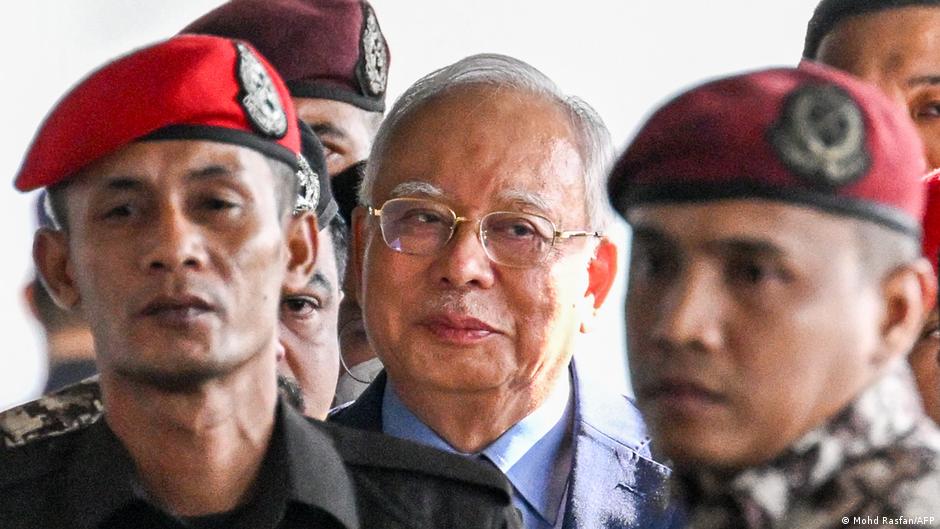
A Malaysian court recently found Najib Razak guilty of additional charges related to abuse of power connected to the 1MDB investment fund. The case involves multiple counts of corruption and money laundering, with the judge still delivering the full verdict. This new development adds to the growing list of legal troubles facing the former leader, who is currently incarcerated.
Najib has expressed regret over how he handled the scandal but has consistently denied any other wrongdoing. He claims he was misled by fund officials and Jho Low, a fugitive businessman who was once considered close to him. Despite this, the court’s ruling emphasized the strong connection between Najib and Low, highlighting the former prime minister’s central role in decision-making regarding 1MDB.
Judge Collin Lawrence Sequerah noted that it would be unreasonable to believe that subordinates would conspire against a sitting prime minister, especially when working alongside someone like Jho Low, who had no official position in the fund. The judge also dismissed the defense’s argument that Najib believed the funds in his account were donations from the Saudi royal family. He pointed out that as prime minister, Najib had all the resources needed to verify such claims.
Impact on the Malaysian Government
This latest conviction could have significant political repercussions. It may test the survival of the ruling coalition led by current Prime Minister Anwar Ibrahim, which includes Najib’s UMNO party. Najib is already serving time for charges related to the theft of billions from 1MDB. Originally sentenced to 12 years, his term was reduced to six years, and he was set to be released in 2028.
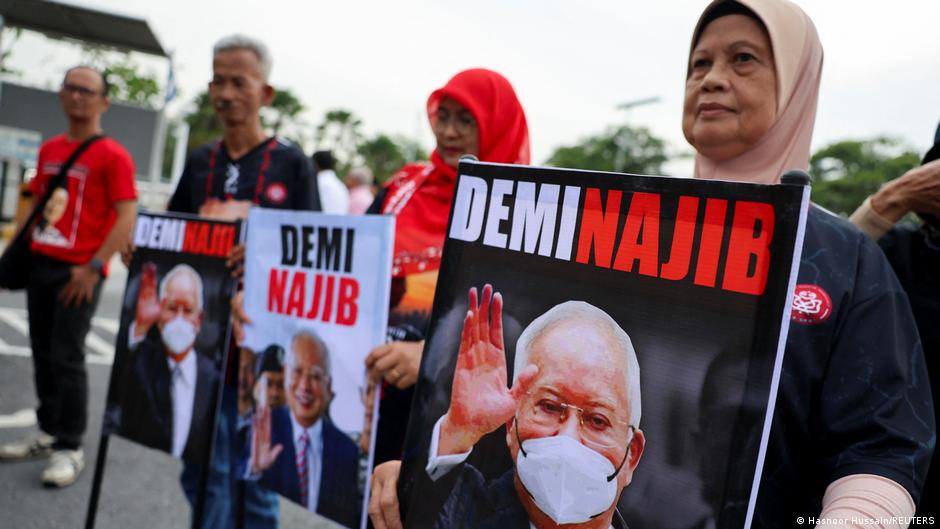
Tensions within the coalition have been rising. A recent court decision denied Najib’s request to serve the remainder of his sentence at home, leading to criticism from UMNO leaders. Some members of the party expressed frustration with Anwar’s supporters celebrating the ruling. On Monday, UMNO youth leader Akmal Saleh called for the party to break away from the coalition and become a “dignified opposition.”
Prime Minister Anwar has maintained that he does not interfere with the judiciary. However, he faces pressure from his own camp due to the acquittal of his wife, Rosmah Mansor, in connection with the 1MDB scandal.
Understanding the 1MDB Scandal
The 1MDB scandal began when Najib launched the 1MDB investment fund in 2009 to promote economic growth and investment. However, senior officials and their associates misappropriated more than $4.5 billion (€3.84 billion) from the fund between 2009 and 2013, according to the U.S. Justice Department. The stolen funds were laundered through complex networks of bank accounts across the United States and other countries.
Much of the money ended up in Najib’s personal accounts. The scandal also involved Goldman Sachs, which raised billions for the fund. Two of its former bankers were later imprisoned for bribing officials, giving false statements to authorities, and misappropriating funds.
The 1MDB affair is widely regarded as one of the largest corruption and embezzlement scandals in modern history. As the situation continues to unfold, the implications for Malaysia’s political landscape remain significant.
Posting Komentar