LED masks, water boosters, and migraine meals: The 2025 social media health trends
The Rise of Wellness Trends in 2025
As 2025 comes to an end, it's evident that social media continues to influence how we approach our health, wellness, and beauty routines. From TikTok to Instagram and Reddit, platforms have brought back old wellness concepts or amplified new, niche, and sometimes even bizarre habits. Let’s explore some of the most talked-about trends of the year and what experts have to say about their effectiveness.
“Loaded” Water: A Hydration Trend with a Side of Caution

The concept of “loaded water” has gained traction on #WaterTok, where influencers promote mixing water with electrolyte powders, fruit, or supplements. While this trend encourages hydration, there is little evidence that most people need daily electrolytes. Our kidneys naturally regulate electrolyte balance, and for the average person, plain water suffices. Some recipes add unnecessary sugar or calories, which can be harmful. Experts like Helen Tieu, a registered dietitian, advise using whole fruits instead of syrups and limiting juice intake.
Bottom Line: Generally safe but unnecessary for most—best kept low-sugar.
The Carnivore Diet: A High-Risk Approach
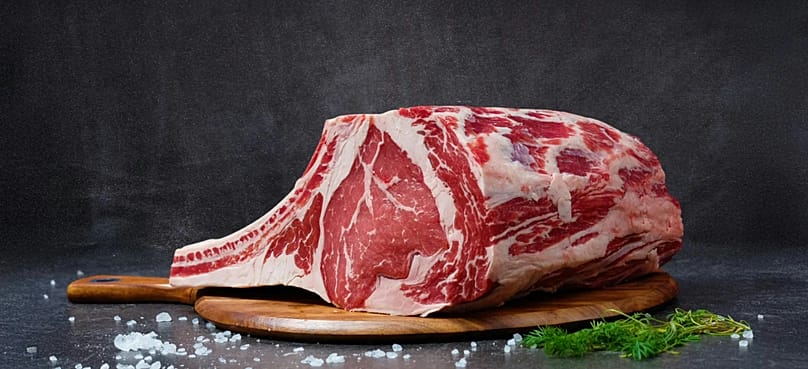
The carnivore diet, which involves eating only meat, fish, eggs, and some dairy, resurfaced online this year. A stricter version, the “lion diet,” limits intake to just beef, salt, and water. Proponents claim it improves skin and gut health, but experts strongly disagree. Dr. Bhavini Shah from LloydsPharmacy Online Doctor warns that such diets are unbalanced and not advisable, even for short-term use. Overconsumption of red meat has been linked to high blood pressure, high cholesterol, and cardiovascular disease.
Bottom Line: High risk, little evidence, and not recommended.
LED Face Masks: Promising but Unproven
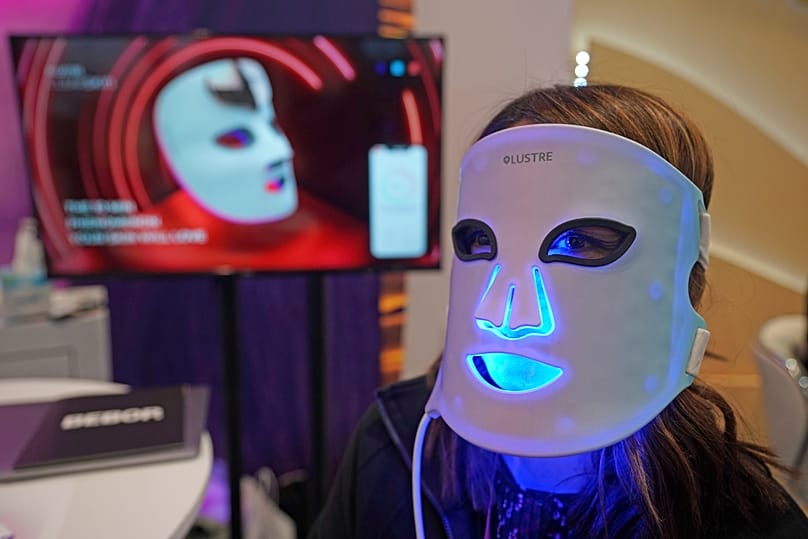
LED face masks have become a staple in skincare routines, promising clearer and more radiant skin. According to dermatologist Dr. Jonathan Kentley, these devices work through photobiomodulation, which triggers cellular changes. However, experts like Dr. Justine Kluk caution that the science isn’t fully settled. At-home masks aren’t as powerful as medical devices, and their benefits are likely modest.
Bottom Line: Generally considered safe and can be a fun addition to your skincare routine, but don't expect transformative results.
Functional Drinks and Coffees: Marketing vs. Evidence
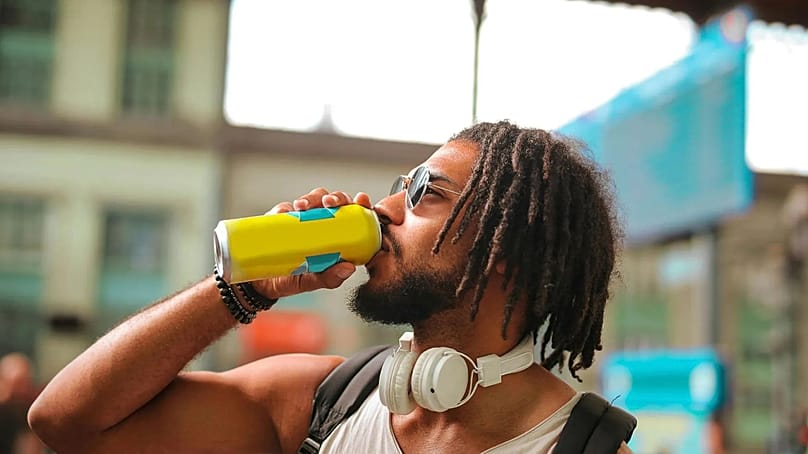
Functional beverages, from mushroom coffees to CBD-infused drinks, became mainstream in 2025. These drinks often contain ingredients like ashwagandha, Lion’s Mane, magnesium, and L-theanine. While some ingredients show promise, research is limited, and the placebo effect plays a significant role. Nicole Cucco, a registered dietitian, advises consumers to look beyond marketing and do their own research before purchasing.
Bottom Line: Some benefits for some people—but marketing often outpaces evidence.
Bed Rotting: A Response to Burnout
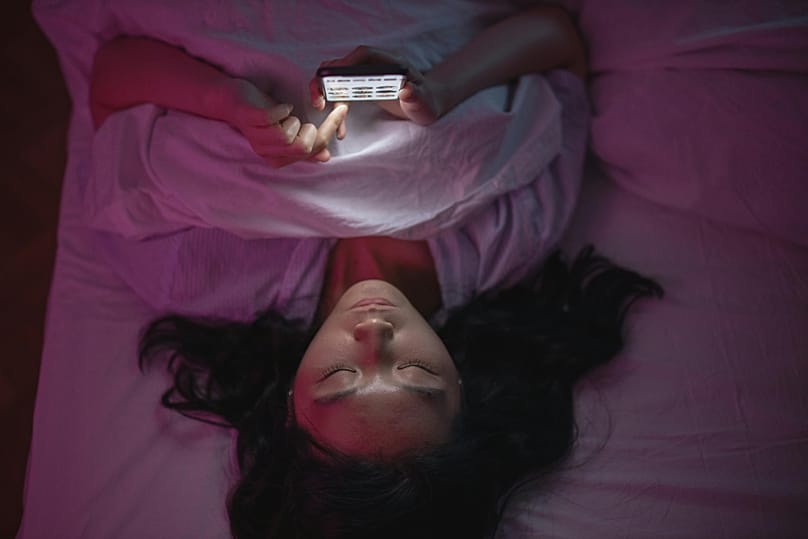
“Bed rotting,” or staying in bed for hours to scroll, snack, and binge-watch, has become a trend among Gen Z. In moderation, it can help reduce stress and provide rest. However, experts warn that frequent bed rotting may disrupt sleep, reduce activity, and worsen mental health. Psychologists suggest that while short-term rest can be helpful, moderation is key.
Bottom Line: Short-term rest can be helpful, but frequent bed rotting may disrupt sleep, reduce activity, and worsen mental health—moderation is key.
Bovine Colostrum Supplements: Promising but Controversial
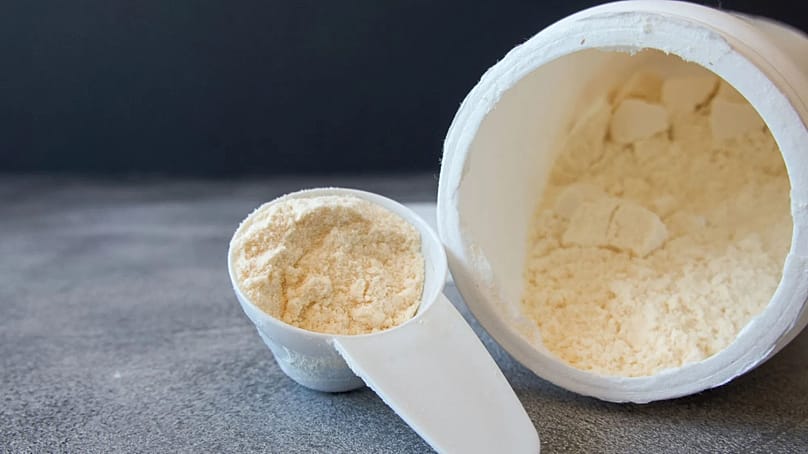
Bovine colostrum, the first milk produced by cows after giving birth, has been promoted on social media for its potential benefits. While some studies suggest it may enhance immunity and gut health, major gaps in research remain. Ethical concerns about sourcing and quality control issues also persist.
Bottom Line: Promising but poorly regulated, ethically contentious, and definitely not for everyone.
Hydrogen Peroxide Teeth Whitening: A Dangerous Trend
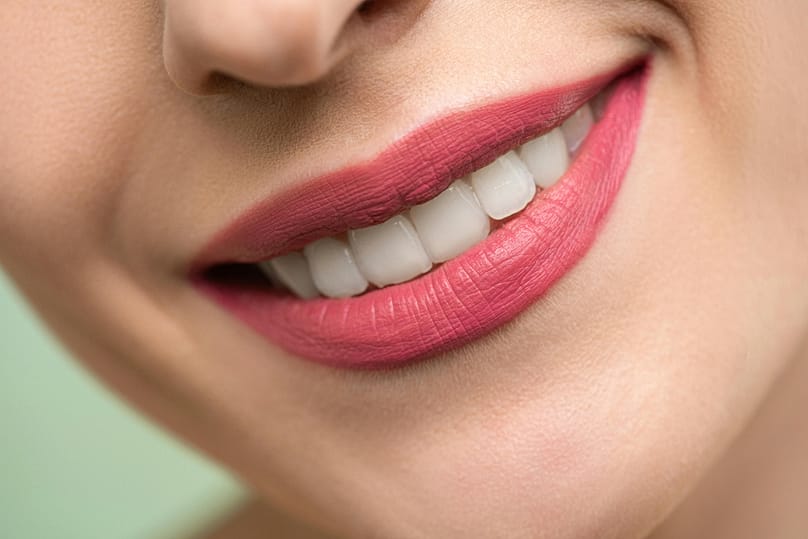
DIY teeth whitening with hydrogen peroxide has gained popularity, but experts warn against it. Applying 3% hydrogen peroxide directly to teeth can cause severe sensitivity, chemical burns, and even tooth loss. Professional supervision is essential for safe use.
Bottom Line: Unsafe and best avoided entirely.
Olive Oil Shots: Healthy, But Not Alone
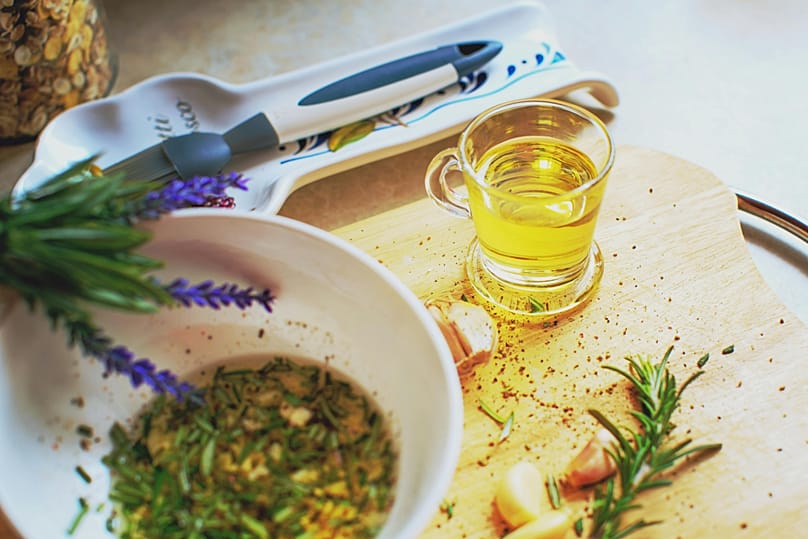
Extra virgin olive oil (EVOO) is known for its health benefits, but some influencers recommend drinking it as a daily shot. Annie Fenn, author of The Brain Health Kitchen, suggests consuming EVOO with food to maximize nutrient absorption. Drinking it alone may miss out on these benefits.
Bottom Line: Healthy—but best used with meals, not taken alone.
Fibremaxxing: Increasing Fiber Intake Gradually
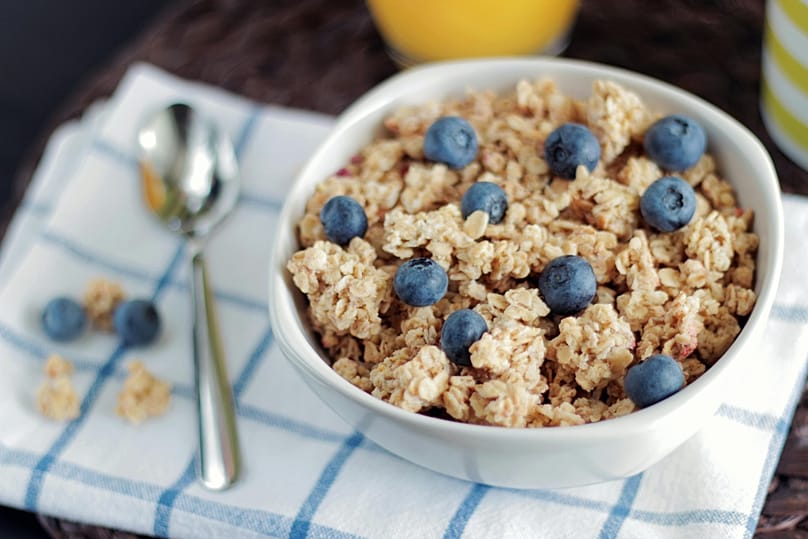
Fibremaxxing encourages people to eat as much fiber as possible. While increasing fiber intake offers numerous health benefits, doing so too quickly can lead to discomfort and constipation. Experts like Boushra Dalile emphasize the importance of gradual increases and adequate water intake.
Bottom Line: Positive—if increased gradually.
The “Migraine Meal”: A Viral Fix with Caveats
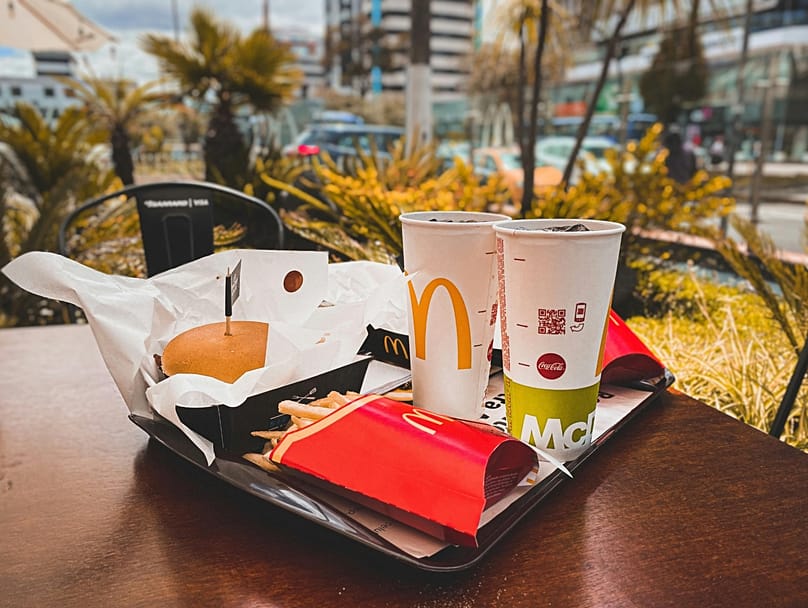
The “migraine meal,” typically a large Coke and fries from McDonald’s, went viral as a supposed migraine fix. While caffeine and salt may offer temporary relief, this trend isn’t a universal solution. Experts warn that relying on fast food isn’t a healthy long-term strategy.
Bottom Line: May offer short-term relief for some, but not something to rely on.
Posting Komentar