Farmer's Anxiety Over Proposed Trail Hunting Ban
The Debate Over Trail Hunting and Its Impact on Rural Communities
As the traditional Boxing Day meets approach, a hunt master has expressed concerns over proposed plans to ban trail hunting, calling it "catastrophic" for the rural community. While fox hunting was banned 20 years ago, Labour has pledged to extend the ban to include trail hunting, where hounds follow a pre-laid scent instead of chasing a live animal.
Critics argue that trail hunting is being used as a "smokescreen" for illegal hunting, claiming that hounds often pursue the scent of live foxes, leading to cruelty. However, supporters of the practice, such as Hugo Mann, a farmer and joint master of the Salisbury-based Wilton Hunt, see it as a vital social lifeline for the farming community, especially during the darkest months of winter.
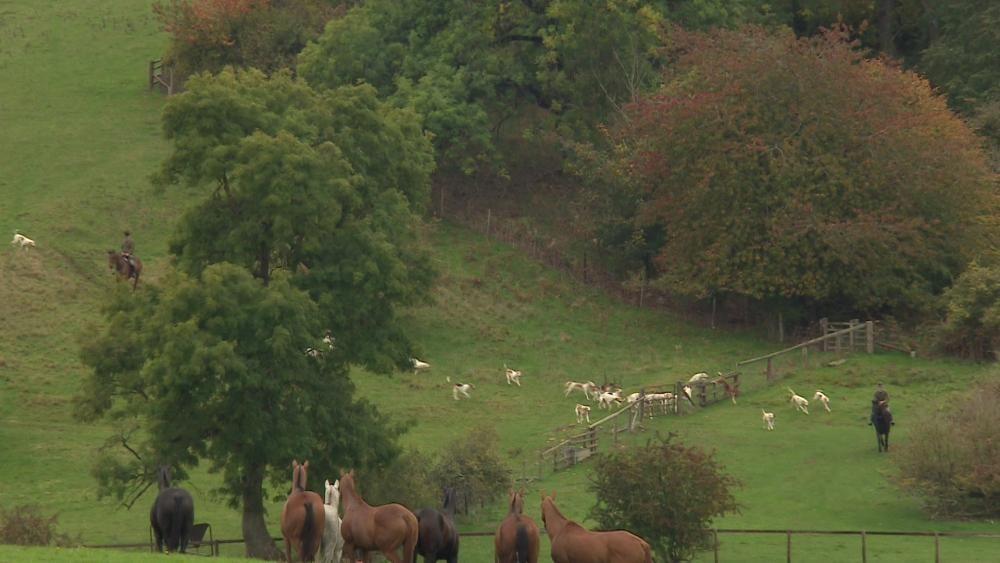
Mr. Mann, 36, estimates that for a single day's hunting, he speaks to 20 different farmers to plan a route across their land, and organizes about 40 meets a year. He emphasized that a ban would have severe consequences for the rural community, stating, "It's a great point for rural people to meet each other in the darkest depths of winter, when they don't see many people."
He described the tradition as a way to bring people together, saying, "It's really just a real community we've created with hunting, like any sport, it just binds people together."
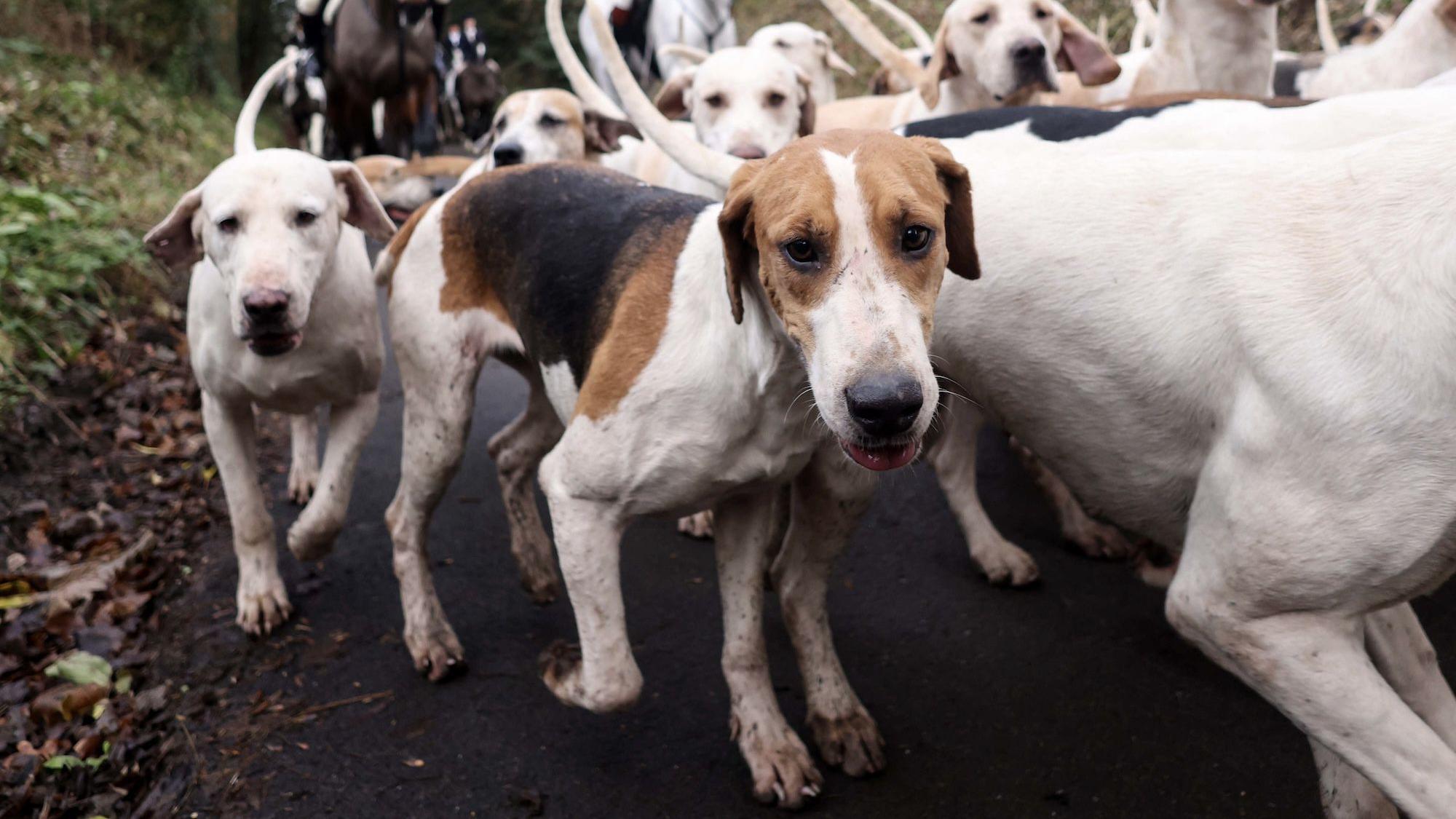
Mr. Mann also highlighted that it is rare for a huntsman to lose control of a pack, as the hounds are well-disciplined and trained on recall. "We are working with animals and occasionally things don't go as planned," he acknowledged. "But we do everything we can to try and make it go smoothly."
He added that the prospect of a ban feels like another "dagger" to the rural community, citing the impact of inheritance tax as an additional challenge. "Farming is lonely enough as it is, and without this, I would just carry on at the farm. I wouldn't see anyone."
The Argument Against Trail Hunting
Emma Judd, a representative of the League Against Cruel Sports, believes that "hunts very rarely lay an actual trail." She stated, "If it is laid, it is laid near where wildlife and other animals such as livestock are being kept, so animals do get killed from trail hunting."
The organization's research revealed that a majority of people support a strengthened Hunting Act, believing that trail hunting is being used as a cover-up for illegal activities. "That's across the board—whether they live in the rural areas or urban areas, and it's very similar across political splits," she said.
The League Against Cruel Sports claims that the West of England has one of the highest rates of illegal fox hunting in the country, based on footage gathered by hunt saboteurs. Ms. Judd described the impact of these incidents, including trespass in people's gardens, attacks on family pets, and hounds running riot on roads.
Despite these claims, there have only been about 30 successful prosecutions of organized hunts under the Hunting Act, according to the British Hound Sport Association.
Technological Surveillance and Government Action
New technology has led to tighter scrutiny of hunting activities, as hunting saboteur groups can now monitor hunts from drones overhead to ensure rules are being followed. This increased oversight has raised concerns among those who support trail hunting, as it may lead to more frequent investigations and potential legal action.
The government has not yet provided a timeline for the ban to come into effect but has stated its commitment to banning the sport. It plans to "set out next steps in due course."
Conclusion
The debate over trail hunting continues to divide communities, with strong arguments on both sides. Supporters view it as a crucial part of rural life, while critics argue it masks illegal activities and causes unnecessary harm to animals. As the discussion evolves, the future of trail hunting remains uncertain, with implications for both the environment and the social fabric of rural areas.
Posting Komentar